
Modern electronic devices often operate in demanding thermal environments. From automotive engine electronics to aerospace control systems, PCBs must maintain reliability under high temperatures.
A High TG PCB (High Glass Transition Temperature PCB) is specifically designed to operate in high-temperature conditions without warping, delamination, or electrical failure. High TG PCBs are widely used in automotive electronics, power modules, industrial machinery, and aerospace systems, where thermal resilience is essential.
What is a High TG PCB?
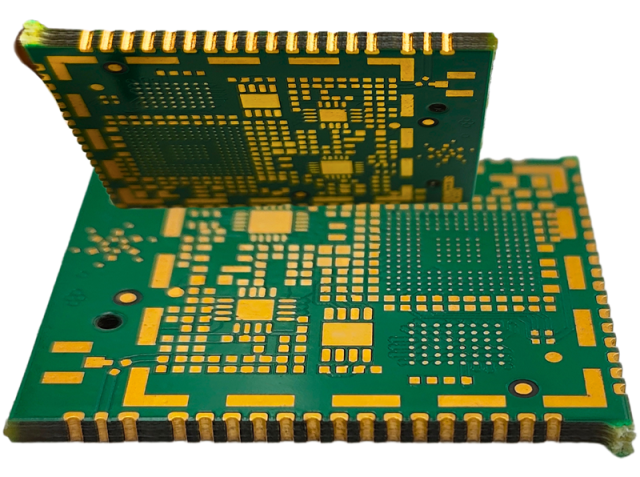
A High TG PCB is a printed circuit board made from materials that have a high glass transition temperature (TG)—the temperature at which the PCB material transitions from a rigid to a more pliable state.
Key characteristics include:
-
TG typically above 170°C (some up to 200–260°C)
-
High mechanical stability under heat
-
Low thermal expansion coefficient
-
Stable dielectric properties under temperature stress
High TG PCBs ensure reliable electrical performance even in high-temperature operating environments.
Advantages of High TG PCB
1. Thermal Stability
High TG materials allow PCBs to operate safely at elevated temperatures, preventing warping or material breakdown. This is crucial for automotive and industrial electronics that experience sustained heat.
2. Improved Reliability
High TG PCBs resist thermal stress and mechanical fatigue, which reduces failures caused by repeated heating and cooling cycles.
3. Compatibility with Lead-Free Soldering
Lead-free soldering requires higher processing temperatures. High TG PCBs can withstand these soldering temperatures without deformation or delamination.
4. Mechanical Strength
High TG PCBs maintain dimensional stability, supporting multilayer designs and dense component placement without risk of board distortion.
Materials Used in High TG PCB
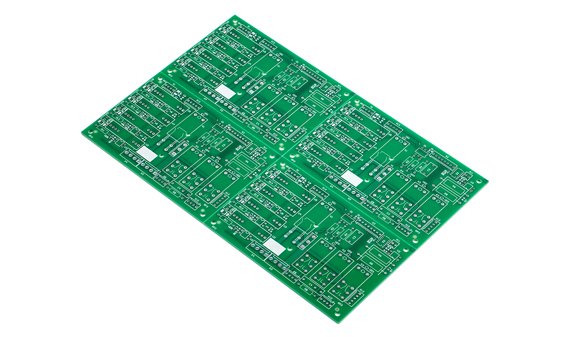
Materials with high glass transition temperature are typically used in manufacturing these PCBs:
-
FR-4 high TG laminates (TG 170–200°C)
-
Polyimide laminates (TG 250–260°C)
-
Ceramic-filled PTFE composites (for high-frequency high-TG PCBs)
These materials provide both high thermal tolerance and stable electrical properties.
Applications of High TG PCB
High TG PCBs are essential for electronics that experience high heat or thermal cycling:
-
Automotive electronics (engine control units, power modules)
-
Aerospace electronics (flight control systems, satellite modules)
-
Industrial power electronics (inverters, motor drivers)
-
LED lighting modules (high-power LEDs)
-
High-frequency RF circuits (where thermal expansion affects signal integrity)
Design Considerations
When designing high TG PCBs, engineers must consider:
-
Proper thermal management (heat sinks, copper planes, thermal vias)
-
Material selection based on operating temperature and frequency requirements
-
Stack-up design for multilayer boards to maintain mechanical stability
-
Impedance control for high-speed or high-frequency signals
Careful design ensures optimal performance under both electrical and thermal stress.
Manufacturing Considerations
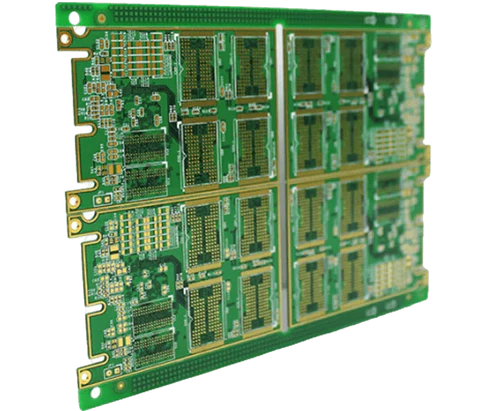
High TG PCBs require specialized fabrication techniques:
-
High-temperature laminating processes
-
Controlled drilling for dense vias
-
Precise copper etching and multilayer lamination
-
Testing for thermal reliability and dimensional stability
These processes guarantee high-quality, long-lasting boards capable of handling extreme environments.
Conclusion
High TG PCBs provide reliable performance in high-temperature environments, making them indispensable for automotive, aerospace, industrial, and high-frequency electronics. By combining high TG materials, careful design, and precise manufacturing, these PCBs ensure long-term durability and electrical stability even under extreme heat.
As electronic systems become more powerful and thermally demanding, High TG PCB technology will continue to play a critical role in advanced electronics.
