
As electronic devices become more powerful and compact, traditional PCB materials such as FR-4 may struggle to meet the demands of high thermal performance and extreme operating environments. This challenge has led to the increasing adoption of Alumina PCB, a ceramic-based circuit substrate known for its outstanding thermal and electrical properties.
Alumina PCBs provide excellent heat dissipation, strong electrical insulation, and high mechanical strength, making them an ideal solution for high-power electronics, RF devices, and automotive systems.
What is an Alumina PCB?
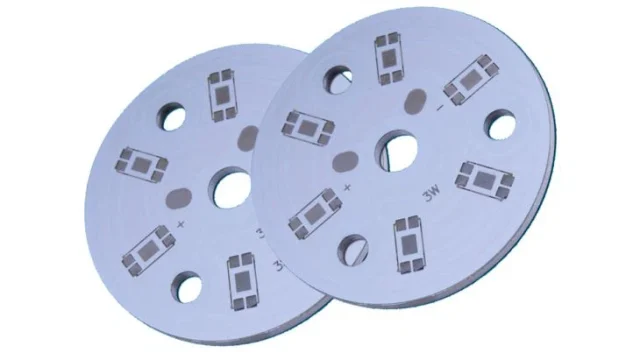
An Alumina PCB is a ceramic circuit board made from aluminum oxide (Al₂O₃). It is one of the most widely used ceramic substrates in the electronics industry.
Compared with conventional PCBs, alumina ceramic boards offer:
-
High thermal conductivity
-
Excellent electrical insulation
-
High temperature resistance
-
Low dielectric loss
-
Strong mechanical stability
These characteristics make alumina PCBs suitable for demanding electronic applications.
Key Advantages of Alumina PCB
1. Excellent Thermal Conductivity
Alumina ceramics typically provide thermal conductivity between 20–30 W/m·K, which is significantly higher than standard FR-4 materials.
This enables efficient heat dissipation in power devices such as:
-
Power modules
-
LED lighting systems
-
Automotive electronics
Effective thermal management improves device reliability and lifespan.
2. High Temperature Resistance
Alumina PCBs can operate in high-temperature environments exceeding 300°C, making them suitable for harsh industrial and automotive conditions.
Unlike traditional PCB substrates, ceramic materials maintain structural stability even under extreme thermal stress.
3. Superior Electrical Insulation
Alumina ceramic substrates provide excellent dielectric strength and insulation performance.
Key electrical advantages include:
-
High breakdown voltage
-
Low dielectric constant
-
Low dielectric loss
These properties are critical for RF circuits and high-voltage electronics.
4. Strong Mechanical Stability
Alumina ceramic materials offer high hardness and mechanical strength. This ensures strong dimensional stability and reliability under vibration and mechanical stress.
As a result, alumina PCBs are often used in aerospace, automotive, and industrial electronics.
Manufacturing Technologies for Alumina PCB
Producing alumina ceramic PCBs involves specialized manufacturing processes.
Common fabrication technologies include:
-
Thick film technology
-
Thin film deposition
-
Direct bonded copper (DBC)
-
Direct plated copper (DPC)
These processes allow precise circuit formation and enable high-density interconnections on ceramic substrates.
Typical Applications of Alumina PCB
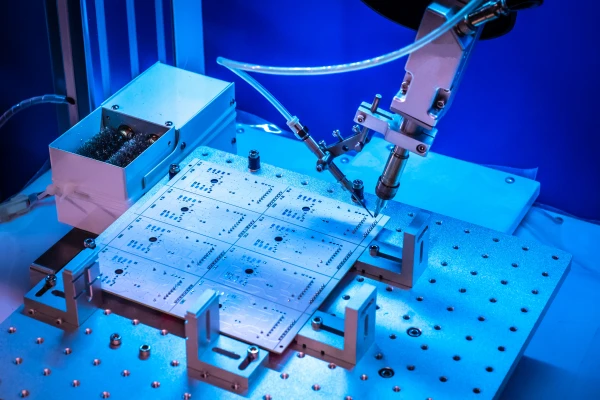
Alumina PCBs are widely used in industries that require high reliability and thermal performance.
Key application areas include:
-
Power electronics modules
-
LED lighting systems
-
Automotive control modules
-
RF and microwave circuits
-
Medical electronic devices
-
Industrial sensors
Their ability to operate in extreme conditions makes them essential for next-generation electronic systems.
Alumina PCB vs Traditional FR-4 PCB
| Feature | Alumina PCB | FR-4 PCB |
|---|---|---|
| Thermal Conductivity | 20–30 W/m·K | ~0.3 W/m·K |
| Temperature Resistance | >300°C | ~130–180°C |
| Dielectric Loss | Very Low | Moderate |
| Mechanical Strength | High | Moderate |
| Cost | Higher | Lower |
Although alumina PCBs are more expensive, their superior thermal and electrical performance makes them indispensable in high-end electronic applications.
Conclusion
As electronic systems demand higher power density, improved heat management, and greater reliability, Alumina PCB technology continues to gain importance.
With excellent thermal conductivity, high temperature resistance, and superior electrical insulation, alumina PCBs provide a reliable solution for power electronics, RF devices, and advanced industrial applications.
Choosing the right PCB manufacturing partner ensures high-quality alumina substrates that meet the demanding performance requirements of modern electronic designs.
