
SiC PCB: High-Performance Circuit Boards for Silicon Carbide Power Electronics
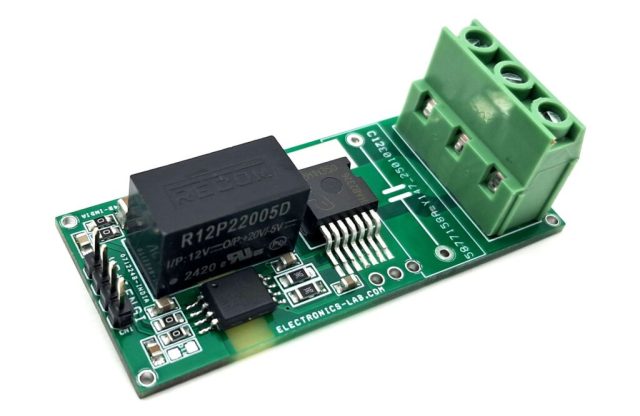
As power electronics continue to evolve toward higher efficiency and power density, SiC PCB (Silicon Carbide PCB) solutions have become increasingly important. Silicon carbide devices operate at higher voltages, temperatures, and switching frequencies compared to traditional silicon components. Therefore, PCBs used with SiC devices must support high current, excellent thermal management, and reliable high-voltage insulation.
SiC PCBs are widely used in electric vehicles, renewable energy systems, industrial motor drives, and high-power converters where efficiency and reliability are critical.
What Is a SiC PCB?
A SiC PCB is a printed circuit board designed specifically to support silicon carbide (SiC) power devices, such as MOSFETs, diodes, and power modules. These devices offer superior performance compared to conventional silicon-based components, but they also impose stricter requirements on PCB design.
Key characteristics of SiC PCB designs include:
-
High current capability
-
Low parasitic inductance
-
Efficient thermal dissipation
-
High-voltage insulation reliability
These features ensure stable operation of SiC-based power electronics.
Advantages of SiC PCB Technology
1. High Power Density
SiC devices allow systems to operate at higher voltages and frequencies, enabling compact and highly efficient power electronics.
2. Excellent Thermal Performance
SiC components generate significant heat during high-power operation. Proper PCB thermal management ensures reliable performance and prevents overheating.
3. Low Switching Loss
SiC technology supports high-frequency switching with reduced energy loss, improving overall system efficiency.
4. Improved Electrical Efficiency
With optimized PCB layouts, SiC-based systems can achieve higher efficiency compared to traditional silicon-based power electronics.
5. Enhanced Reliability
SiC devices operate reliably at higher temperatures, making them suitable for harsh environments such as automotive and industrial applications.
SiC PCB Design Considerations
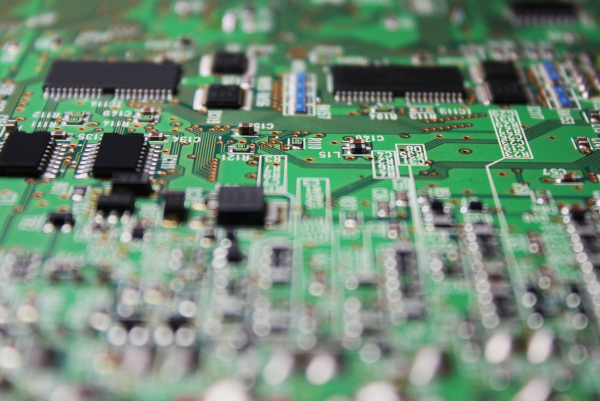
Designing a SiC PCB requires special attention to several critical factors:
1. Minimizing Parasitic Inductance
High switching speeds of SiC devices require PCB layouts with short current loops and optimized trace geometry to reduce inductance.
2. High Current Routing
Thick copper layers and wide traces are commonly used to support high current flow in power circuits.
3. Thermal Management
Design strategies include:
-
Heavy copper PCB structures
-
Thermal vias for heat dissipation
-
Metal core PCB designs
-
Direct bonding copper (DBC) substrates for high-power modules
4. High Voltage Isolation
SiC power systems often operate at high voltages, so adequate spacing and insulation must be incorporated into PCB layouts.
5. EMI and Signal Integrity Control
Fast switching speeds can introduce electromagnetic interference, requiring careful grounding and filtering strategies.
Applications of SiC PCB
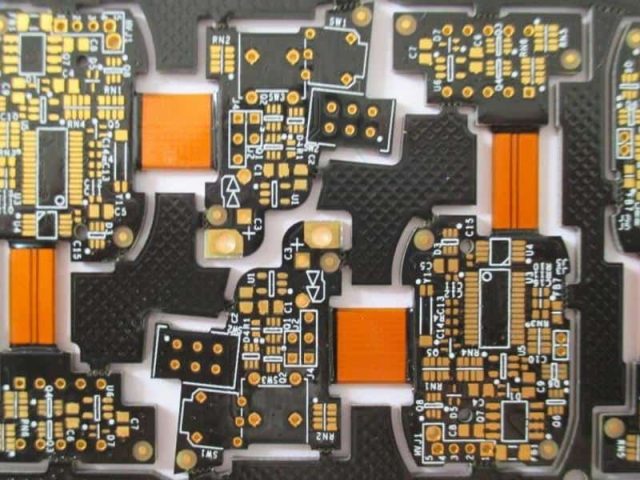
SiC PCBs are widely used in advanced power electronics systems, including:
-
Electric vehicle (EV) powertrains and inverters
-
Fast EV charging stations
-
Solar and wind power inverters
-
Industrial motor drives
-
High-power DC-DC converters
-
Aerospace power electronics
These applications benefit from the efficiency and high-temperature capabilities of silicon carbide technology.
Manufacturing Requirements
Producing reliable SiC PCBs often involves advanced PCB manufacturing techniques:
-
Heavy copper PCB fabrication
-
High thermal conductivity substrates
-
Precision drilling and plating for power connections
-
High-reliability surface finishes such as ENIG or silver plating
-
Rigorous electrical and thermal testing
These processes ensure the PCB can handle the electrical and thermal demands of SiC power devices.
Conclusion
SiC PCB technology plays a critical role in modern high-power electronic systems. By supporting the advanced performance of silicon carbide devices, SiC PCBs enable higher efficiency, greater power density, and improved thermal performance in demanding applications such as electric vehicles, renewable energy systems, and industrial automation.
As power electronics continue to evolve, SiC PCBs will remain an essential component in next-generation energy-efficient technologies.
