
As electronics continue to evolve, demands for high-performance, multilayer PCBs have surged. BT Epoxy PCBs (Bismaleimide-Triazine epoxy boards) have become a preferred choice for designers who need robust thermal, mechanical, and electrical performance in demanding applications.
Unlike conventional FR4 boards, BT Epoxy offers superior dimensional stability, low thermal expansion, and high glass transition temperature (Tg)—critical for multilayer circuits, high-speed digital systems, and industrial electronics.
Understanding BT Epoxy PCB Materials
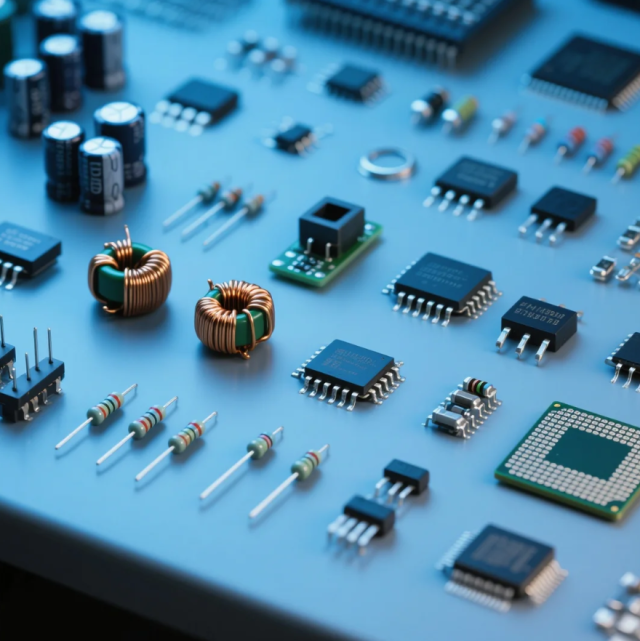
BT Epoxy is a thermosetting resin that provides:
-
High glass transition temperature (Tg): Up to 200°C, ensuring stability during soldering and thermal cycling.
-
Low coefficient of thermal expansion (CTE): Minimizes warping in multilayer PCBs.
-
Excellent mechanical strength: Reduces deformation in complex or dense board designs.
-
Stable dielectric constant: Supports high-speed signal integrity for multilayer and high-frequency circuits.
These properties make BT Epoxy PCBs ideal for applications where precision and reliability are essential.
Design Challenges and Considerations
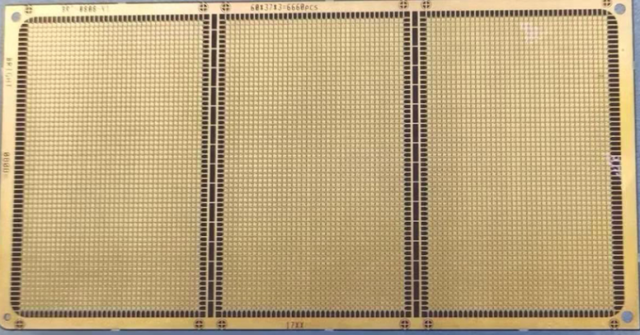
Designing BT Epoxy PCBs is not without challenges. Engineers must address several factors to ensure optimal performance:
Multilayer Alignment and Lamination
BT Epoxy’s stiffness requires precise lamination control to prevent layer shifting, especially in 8-layer or higher boards.
Thermal Management
High-performance boards generate heat. Integrating thermal vias, copper pours, and heat sinks ensures stable operation under load.
Impedance Control
High-speed digital and communication circuits demand tight impedance tolerances. Designers must carefully calculate trace width, spacing, and layer stack-up.
Soldering and Assembly
BT Epoxy can withstand high soldering temperatures, but careful process control is needed to avoid microcracks or delamination during assembly.
Applications of BT Epoxy PCBs
BT Epoxy PCBs are increasingly used in industries requiring durable and reliable multilayer boards:
-
High-Speed Computing: Servers, network routers, and AI modules
-
Telecommunication Equipment: 5G base stations, IoT gateways, and RF modules
-
Industrial Control Systems: PLCs, motor controllers, and automation boards
-
Automotive Electronics: ECUs, infotainment systems, and advanced driver-assistance systems (ADAS)
-
Medical Devices: Imaging systems, diagnostic equipment, and monitoring modules
By using BT Epoxy, manufacturers ensure long-term reliability and consistent performance under thermal and mechanical stress.
Advantages Over Conventional Materials
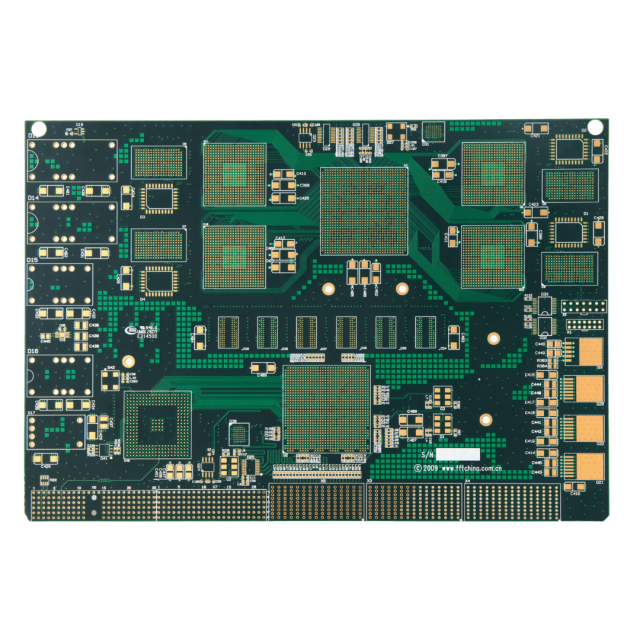
Compared with standard FR4, BT Epoxy PCBs provide:
-
Higher thermal resistance for multilayer and high-current designs
-
Better mechanical stability, reducing warping and stress
-
Improved signal integrity, critical for high-speed and high-frequency applications
-
Longer lifecycle, supporting industrial and automotive reliability standards
Choosing a BT Epoxy PCB Manufacturer
When selecting a manufacturer, it is essential to consider:
-
Experience with high-Tg BT Epoxy materials
-
Precision multilayer fabrication capabilities
-
Advanced impedance and signal integrity control
-
Quality assurance and reliability testing
A skilled manufacturer ensures your BT Epoxy PCBs meet the strict requirements of modern electronics.
Conclusion
BT Epoxy PCBs have emerged as a go-to solution for multilayer, high-speed, and industrial electronics, offering unmatched thermal stability, mechanical strength, and electrical performance. By carefully designing and fabricating these boards, engineers can enhance reliability, optimize performance, and reduce failure risks in complex electronic systems.
Investing in BT Epoxy PCBs is no longer optional—it’s a necessity for high-performance, long-lasting electronics.
