
RF PCBs (Radio Frequency Printed Circuit Boards) are widely used in modern high-frequency electronic systems. From wireless communication equipment to radar modules and satellite electronics, RF PCBs play a critical role in ensuring stable signal transmission and minimal signal loss.
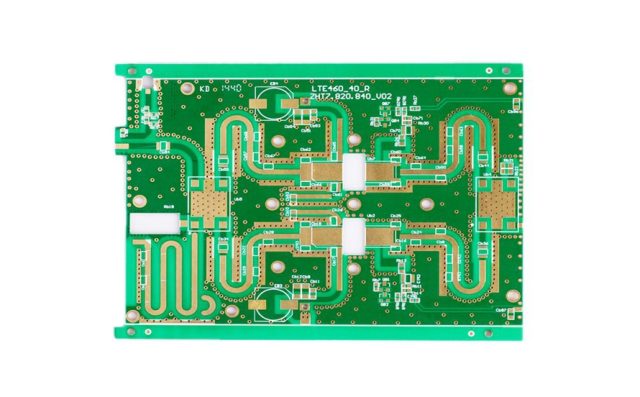
Unlike standard PCBs, RF PCBs operate in the MHz to GHz frequency range. This means that even small variations in material properties, impedance control, or layout design can significantly affect performance. Therefore, purchasing RF PCBs requires careful evaluation of materials, manufacturing capabilities, and supplier expertise.
Understanding the key factors involved in RF PCB procurement helps engineers and purchasing teams reduce design risks, improve signal performance, and ensure reliable production.
Common Applications of RF PCBs
RF PCBs are essential components in many advanced electronic systems where high-frequency signals must be transmitted accurately.
Typical applications include:
-
Wireless communication equipment
-
5G and cellular infrastructure
-
RF transceivers and power amplifiers
-
Satellite communication systems
-
Radar and defense electronics
-
High-frequency sensors and IoT devices
These applications demand excellent signal integrity, low insertion loss, and consistent impedance control, which can only be achieved with specialized RF PCB materials and precise manufacturing processes.
Key Factors When Purchasing RF PCBs
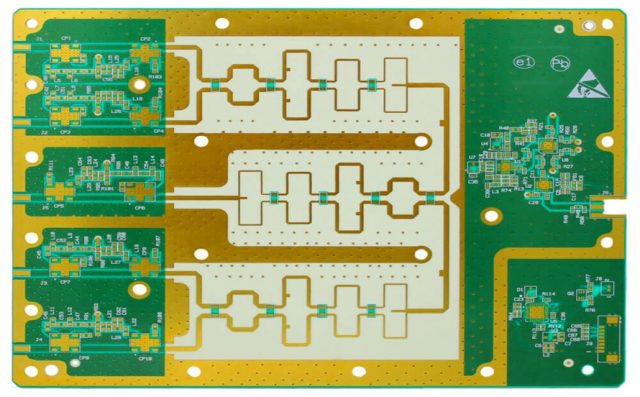
1. Material Selection
Material choice is one of the most critical factors in RF PCB performance. High-frequency signals are sensitive to dielectric loss and signal attenuation.
Common RF materials include:
-
PTFE-based laminates
-
Rogers high-frequency materials
-
Taconic RF laminates
-
Ceramic-filled hydrocarbon materials
Important material properties to consider:
-
Dielectric constant (Dk) stability
-
Low dissipation factor (Df)
-
Thermal stability
-
Moisture absorption resistance
Selecting the right material ensures signal transmission remains stable across different frequencies and operating environments.
2. Controlled Impedance Design
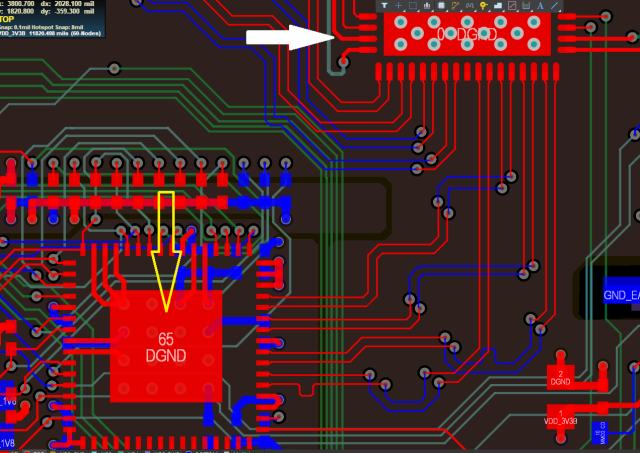
Controlled impedance is essential for RF PCB functionality. Proper impedance matching minimizes signal reflections and ensures efficient energy transfer between components.
Key design considerations include:
-
Trace width and spacing
-
Dielectric thickness
-
Copper thickness
-
Layer stack-up configuration
Professional RF PCB manufacturers typically provide impedance modeling and simulation support to ensure the final board meets strict signal integrity requirements.
3. Precision Manufacturing Capability
RF PCBs require extremely tight manufacturing tolerances. Even small variations in trace geometry or dielectric thickness can cause impedance mismatches.
Important manufacturing capabilities include:
-
Fine trace and spacing control
-
Advanced lamination processes
-
Laser microvia drilling
-
Precision impedance testing
-
RF material handling experience
Working with an experienced RF PCB supplier helps ensure consistent board performance and production quality.
4. Signal Integrity and Loss Control
At high frequencies, signal loss becomes a major concern. RF PCB design must minimize both dielectric loss and conductor loss.
Techniques used to reduce signal degradation include:
-
Using low-loss laminate materials
-
Optimizing trace routing
-
Maintaining consistent ground reference planes
-
Minimizing discontinuities in signal paths
These design strategies help maintain clean signal transmission even at multi-GHz frequencies.
Choosing a Reliable RF PCB Supplier
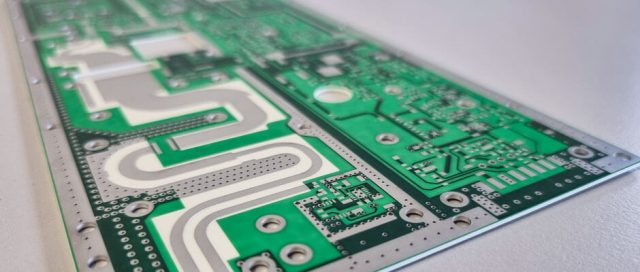
When purchasing RF PCBs, selecting the right manufacturer is just as important as the board design itself.
A qualified RF PCB supplier should provide:
-
Experience with high-frequency materials
-
Stable impedance control processes
-
Engineering support for RF layout optimization
-
Reliable testing and inspection procedures
-
Consistent production quality for prototypes and mass production
Strong collaboration between engineers and manufacturers can significantly improve project efficiency and reduce design iterations.
Conclusion
Purchasing RF PCBs requires a thorough understanding of high-frequency design requirements, material performance, and manufacturing capabilities. By focusing on factors such as material selection, impedance control, precision fabrication, and supplier expertise, engineers can ensure optimal signal performance and long-term reliability.
As RF technology continues to expand across industries such as telecommunications, aerospace, and IoT, high-quality RF PCB manufacturing will remain a crucial part of advanced electronic system development.
