
What Is an Alumina PCB?
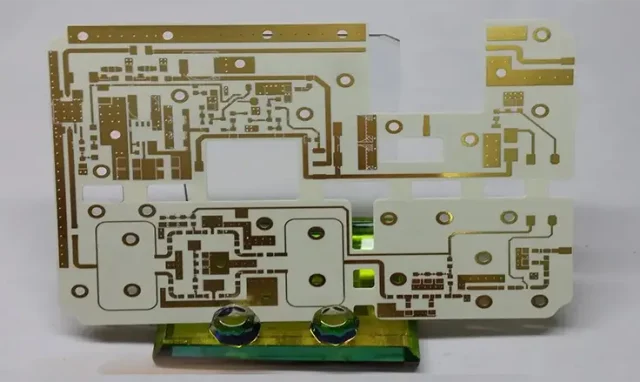
An Alumina PCB is a ceramic printed circuit board fabricated using aluminum oxide (Al₂O₃) as the substrate material. Compared with organic laminates, Alumina PCBs provide superior thermal conductivity, excellent electrical insulation, and outstanding resistance to high temperature and harsh environments.
Alumina PCBs are widely used in power electronics, semiconductor packaging, burn-in testing, and high-reliability systems.
Key Material Properties of Alumina PCB
Alumina ceramic offers stable physical and electrical characteristics:
-
High thermal conductivity
-
Excellent electrical insulation
-
High dielectric strength
-
Low thermal expansion
-
Outstanding temperature resistance
-
Strong chemical and moisture resistance
These properties make Alumina PCB ideal for high-power and high-temperature applications.
Advantages of Alumina PCB
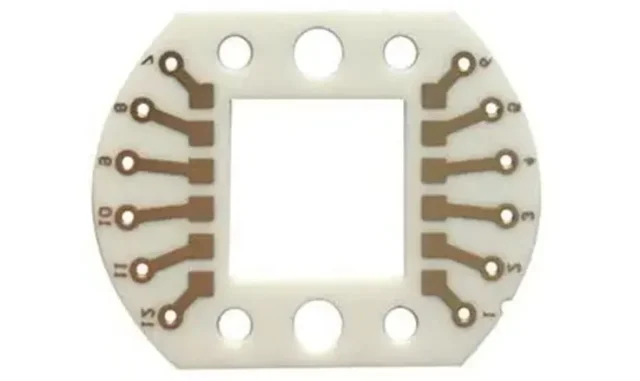
Using an Alumina PCB provides several advantages:
-
Efficient heat dissipation for power devices
-
High reliability under thermal stress
-
Stable performance in extreme environments
-
Excellent mechanical strength
-
Long service life
These advantages are critical for demanding industrial and semiconductor applications.
Manufacturing Processes for Alumina PCB
Common manufacturing technologies for Alumina PCB include:
-
Direct Bonded Copper (DBC)
-
Direct Plated Copper (DPC)
-
Thick-film and thin-film processes
-
Laser drilling and precision machining
Process selection depends on circuit density, current requirements, and application needs.
Design Considerations for Alumina PCB
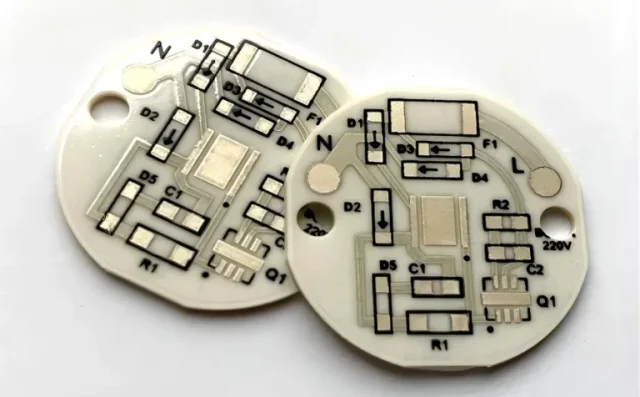
When designing an Alumina PCB, engineers should consider:
-
Copper thickness and current capacity
-
Thermal path optimization
-
Pad and trace layout for ceramic substrates
-
Mounting and mechanical constraints
-
Interface with metal housings or heat sinks
Careful design ensures optimal thermal and electrical performance.
Applications of Alumina PCB
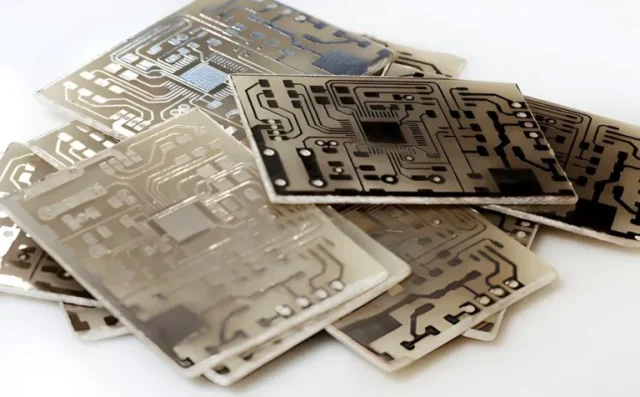
Alumina PCBs are widely used in:
-
Power modules and power electronics
-
Semiconductor burn-in and test boards
-
LED and laser diode substrates
-
Automotive electronics
-
Industrial control systems
-
High-temperature sensors
They are ideal for applications requiring robust thermal management.
Conclusion
An Alumina PCB provides an excellent combination of high thermal conductivity, electrical insulation, and long-term reliability. Its ceramic structure enables stable operation under high temperature, high power, and harsh conditions.
Choosing a professional Alumina PCB manufacturer ensures consistent quality, precise processing, and reliable performance for critical electronic applications.
