
The global expansion of 5G networks has accelerated the demand for high-performance communication hardware. Among these devices, 5G routers play a critical role in delivering ultra-fast wireless connectivity for homes, enterprises, industrial IoT systems, and smart cities.
At the core of every high-performance router is the 5G Router PCB, which integrates RF modules, baseband processors, antennas, and power management circuits. Designing a reliable 5G router PCB requires advanced materials, precise impedance control, and optimized high-frequency layout strategies.
Applications of 5G Router PCB
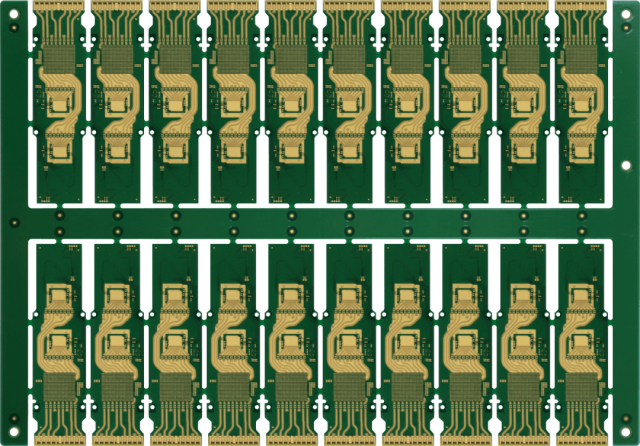
5G router PCBs are widely used in various networking and communication scenarios, including:
-
Home 5G wireless gateways
-
Enterprise networking routers
-
Industrial IoT communication hubs
-
Smart city infrastructure
-
Edge computing communication devices
These applications demand high-speed signal transmission, stable RF performance, and strong electromagnetic compatibility (EMC).
Key Technical Requirements for 5G Router PCB
1. High-Frequency PCB Materials
5G routers operate across multiple frequency bands, including sub-6 GHz and millimeter-wave frequencies. To maintain signal integrity, PCBs must use low-loss materials.
Common materials include:
-
Rogers high-frequency laminates
-
PTFE-based materials
-
Low-loss modified FR-4 laminates
These materials reduce dielectric loss and improve RF signal performance.
2. Multilayer PCB Architecture
Modern 5G routers integrate complex RF circuits, digital processing units, and power management modules. As a result, multilayer PCB structures (6–16 layers) are typically required.
Typical design features include:
-
Controlled impedance routing
-
RF transmission lines
-
Ground shielding layers
-
HDI routing for dense components
Multilayer design helps maintain signal stability and reduces interference between high-speed signals.
3. Signal Integrity and RF Layout Optimization
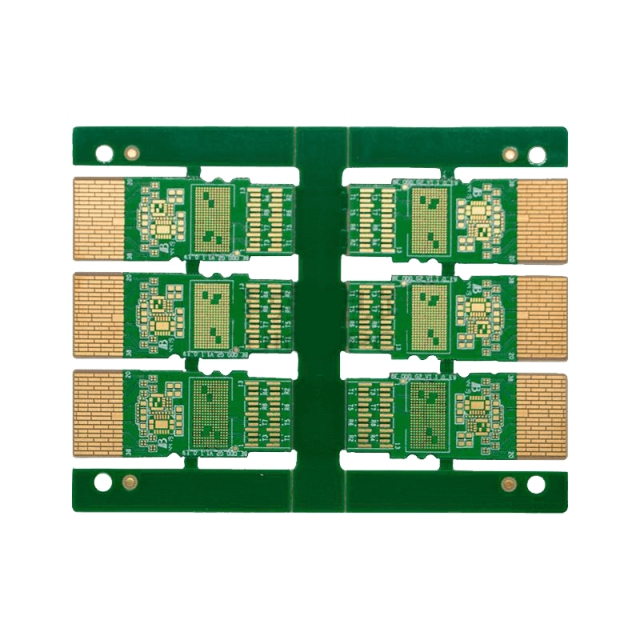
High-frequency signals in 5G routers are extremely sensitive to layout errors. Proper PCB design techniques are essential to maintain signal quality.
Key considerations include:
-
Short RF signal paths
-
Proper impedance matching
-
Differential pair routing
-
Ground plane continuity
Optimized RF layout ensures stable wireless communication and improved data throughput.
4. Thermal Management
5G routers handle high data traffic and intensive signal processing, which generates significant heat.
To ensure reliable operation, PCB designs typically include:
-
Thermal vias
-
Copper planes for heat spreading
-
High copper thickness for power circuits
Effective thermal design helps maintain stable performance under heavy network loads.
5. Electromagnetic Compatibility (EMC)
Because 5G routers integrate RF modules, digital processors, and power circuits in a compact design, EMC performance is critical.
PCB designers often use:
-
Ground isolation techniques
-
Shielding structures
-
Controlled return paths
These measures help minimize electromagnetic interference and ensure stable wireless communication.
Manufacturing Challenges of 5G Router PCB

Producing high-quality 5G router PCBs requires advanced manufacturing capabilities, including:
-
Precision impedance control
-
Fine line and spacing technology
-
Hybrid stack-up structures
-
High-frequency material processing
Reliable manufacturing ensures consistent RF performance and long-term stability.
Conclusion
As 5G networks continue to expand globally, the demand for high-performance networking hardware will keep growing. The 5G Router PCB plays a crucial role in enabling stable high-speed wireless connectivity.
Through advanced materials, multilayer PCB technology, and precise RF design, manufacturers can deliver reliable PCBs that support the next generation of communication infrastructure.
