
As wireless technologies continue to advance, high-frequency electronic circuits require PCB materials with stable electrical properties and low signal loss. Taconic PCBs are widely used in RF and microwave applications because they provide excellent dielectric performance and reliable signal transmission at high frequencies.
Taconic laminates are specifically engineered to support high-speed and high-frequency circuits, making them suitable for communication systems, radar equipment, and advanced wireless devices.
What Is a Taconic PCB?
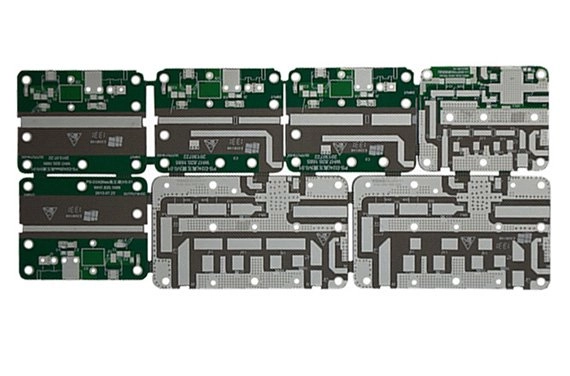
A Taconic PCB refers to a circuit board manufactured using laminates produced by Taconic. These materials are designed for high-frequency electronic applications and offer better electrical performance compared with traditional PCB substrates.Taconic materials are commonly used in RF circuit boards where low signal loss and stable impedance are essential.
Popular Taconic laminate families include:
-
RF-35
-
TLY series
-
TLX series
-
CER-10
Each material series provides different dielectric properties tailored for specific RF or microwave circuit requirements.
Key Advantages of Taconic PCB Materials
Taconic laminates provide several performance benefits for high-frequency electronic designs.
Low Dielectric Loss
Taconic materials are engineered to minimize signal attenuation, making them ideal for RF and microwave circuits.
Stable Dielectric Constant
A consistent dielectric constant ensures predictable signal behavior and accurate impedance control.
High Thermal Stability
Taconic PCBs maintain reliable performance even under temperature variations.
Excellent Electrical Performance
These materials support high-frequency signal transmission with minimal distortion or interference.
Taconic PCB vs FR4 PCB
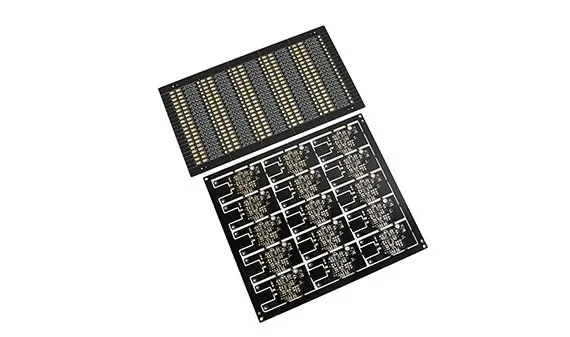
When designing high-frequency circuits, engineers often compare Taconic materials with standard FR4 substrates.
-
Low manufacturing cost
-
Suitable for general electronics
-
Higher signal loss at high frequencies
-
Optimized for RF and microwave circuits
-
Lower signal loss
-
Better high-frequency stability
For applications operating in gigahertz frequency ranges, Taconic laminates provide superior performance.
Taconic PCB vs Rogers PCB
Taconic and Rogers materials are both widely used for high-frequency PCB designs.
-
Excellent RF performance
-
Competitive material cost
-
Suitable for many microwave circuits
-
Very low dielectric loss
-
Broad range of specialized RF materials
-
Widely used in advanced communication systems
The choice between these materials depends on frequency requirements, thermal performance, and project budget.
Applications of Taconic PCBs
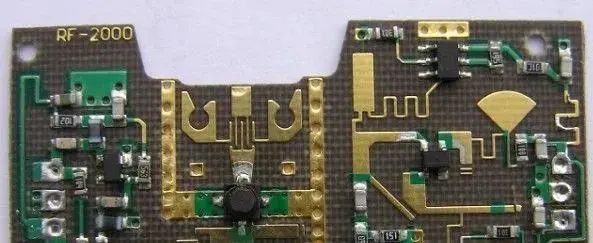
Taconic PCB materials are used in many high-frequency electronic systems.
RF Communication Equipment
Wireless communication modules require stable signal transmission.
Radar Systems
Radar electronics often operate at microwave frequencies that require low-loss PCB materials.
Satellite Communication
Satellite electronics rely on high-frequency PCB substrates for reliable signal transmission.
Antenna Systems
Taconic materials are commonly used in antenna circuit boards due to their stable dielectric properties.
Design Considerations for Taconic PCBs
When designing PCBs using Taconic materials, engineers should consider several factors.
Controlled Impedance Design
Trace width and spacing must be carefully calculated to maintain the required impedance.
Stackup Structure
Proper layer stackup helps reduce signal reflection and improves overall signal integrity.
Thermal Management
High-frequency circuits may still generate heat that requires effective thermal control.
Manufacturing Capabilities
PCB manufacturers must have experience processing Taconic materials to ensure reliable fabrication.
Conclusion
Taconic PCB materials provide excellent electrical performance for RF and microwave circuit designs. Their low dielectric loss, stable electrical properties, and reliable thermal performance make them a strong choice for high-frequency applications.
As wireless communication systems and advanced electronic devices continue to evolve, Taconic PCBs will remain an important solution for engineers designing high-performance RF circuits.
