Why SMT Troubleshooting Matters
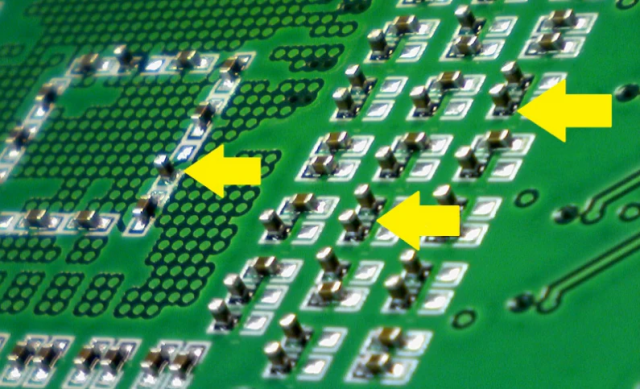
In modern electronics manufacturing, Surface Mount Technology (SMT) is widely used for high-density PCB assembly, automated production, and high-speed manufacturing. However, even with advanced equipment, SMT processes can encounter defects that affect product reliability, yield, and performance.
Effective SMT troubleshooting is essential to identify root causes, optimize processes, and ensure high-quality PCB assembly.
1. Solder Bridging
Problem Description
- Unintended solder connections between adjacent pads
- Common in fine-pitch components
Root Causes
- Excessive solder paste deposition
- Misaligned stencil design
- Improper reflow profile
Solutions
- Optimize stencil aperture design
- Reduce solder paste volume
- Adjust reflow temperature curve
- Improve component placement accuracy
2. Tombstoning (Chip Lifting)
Problem Description
- One end of a component lifts during reflow
Root Causes
- Uneven solder wetting forces
- Imbalanced pad design
- Unequal heating rates
Solutions
- Ensure symmetrical pad layout
- Balance solder paste volume
- Optimize reflow heating profile
- Improve component placement precision
3. Cold Solder Joints
Problem Description
- Weak or dull solder joints with poor conductivity
Root Causes
- Insufficient reflow temperature
- Poor solder paste quality
- Contaminated pads
Solutions
- Increase peak reflow temperature
- Use high-quality solder paste
- Clean PCB surfaces before assembly
4. Solder Voids
Problem Description
- Air pockets inside solder joints, especially under BGAs
Root Causes
- Moisture in PCB or components
- Improper reflow profile
- Poor solder paste outgassing
Solutions
- Bake PCB and components to remove moisture
- Optimize reflow profile
- Use low-void solder paste formulations
5. Component Misalignment
Problem Description
- Components placed off-center or rotated
Root Causes
- Inaccurate pick-and-place machine calibration
- Poor fiducial recognition
- PCB warpage
Solutions
- Calibrate placement equipment regularly
- Improve fiducial design and visibility
- Ensure PCB flatness
6. Insufficient Solder (Open Joints)

Problem Description
- Lack of solder leading to poor electrical connection
Root Causes
- Inadequate solder paste printing
- Blocked stencil apertures
- Poor pad design
Solutions
- Inspect and clean stencil regularly
- Optimize paste deposition process
- Improve pad geometry
7. Solder Balling
Problem Description
- Small solder balls forming around pads
Root Causes
- Excess solder paste
- Rapid temperature ramp-up
- Flux spattering
Solutions
- Optimize solder paste volume
- Adjust reflow ramp rate
- Use high-quality flux systems
8. PCB Warpage During Reflow
Problem Description
- PCB bending affecting assembly quality
Root Causes
- Uneven heating
- Poor PCB material selection
- Improper panel design
Solutions
- Use high-Tg PCB materials
- Optimize reflow temperature profile
- Improve panel support fixtures
9. Head-in-Pillow (HIP) Defect
Problem Description
- Poor solder joint between BGA ball and pad
Root Causes
- Oxidation of solder balls
- Inadequate wetting
- Improper reflow conditions
Solutions
- Improve flux activity
- Optimize reflow profile
- Ensure proper component storage conditions
Best Practices for SMT Process Optimization
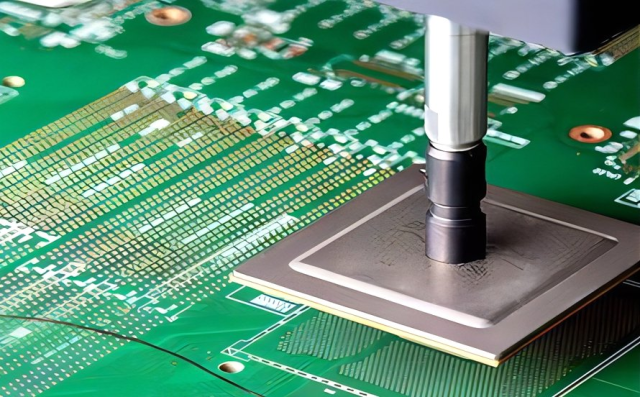
- Use high-quality solder paste and components
- Maintain precise stencil design and printing control
- Optimize reflow temperature profiles
- Regularly calibrate SMT equipment
- Implement AOI and X-ray inspection for quality control
Conclusion
SMT troubleshooting is essential for ensuring high yield, reliability, and performance in PCB assembly. By understanding common defects such as solder bridging, tombstoning, cold joints, and voiding, manufacturers can implement targeted solutions and improve overall SMT process efficiency.
A systematic approach to troubleshooting ensures consistent quality and reduced production costs.