
Introduction to Robotics PCB

A Robotics PCB is a printed circuit board designed to support the electronic architecture of robotic systems. It integrates multiple electronic functions such as motion control, sensor processing, power management, and communication modules, enabling robots to perform automated tasks with high precision.
As robotics technology continues to evolve, modern robotic systems require PCBs capable of handling complex processing, real-time control, and reliable signal transmission. The quality of the PCB directly impacts the stability, responsiveness, and durability of robotic equipment.
Robotics PCBs are widely used in applications such as:
-
Industrial automation robots
-
Autonomous mobile robots (AMR)
-
Collaborative robots (cobots)
-
Medical robotic equipment
-
AI-based service robots
These systems rely on robust PCB designs to ensure accurate control and consistent performance.
Key Design Requirements for Robotics PCB
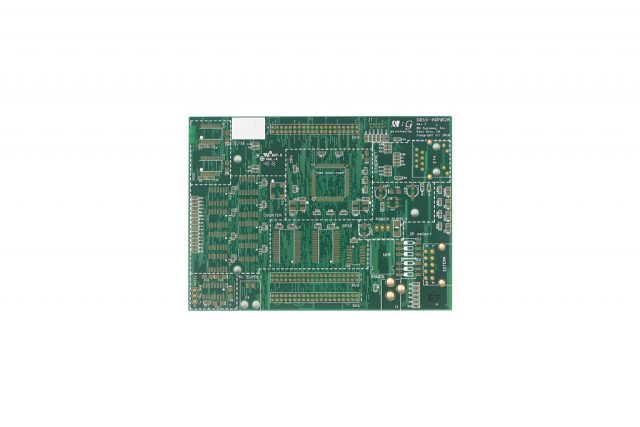
High Reliability and Durability
Robotic systems often operate continuously in demanding environments such as factories, warehouses, or medical facilities. Therefore, robotics PCBs must offer high durability and long operational lifespan.
Important design considerations include:
-
High-quality copper layers for stable conductivity
-
Reliable solder joints for vibration resistance
-
Strong substrate materials for mechanical stability
These features help ensure the robot functions reliably during extended operation cycles.
Efficient Power Management
Robots use multiple motors, sensors, and processing units that require stable power distribution. Robotics PCBs must be designed to support efficient power regulation and distribution.
Common power-related features include:
-
Dedicated power planes
-
High-current routing
-
Voltage regulation modules
-
Thermal management structures
Proper power design prevents overheating and ensures stable system performance.
Sensor and Control Integration
Robotic systems depend heavily on sensors to interact with their environment. A robotics PCB must support the integration of multiple sensor types, including:
-
Vision sensors and cameras
-
Position and motion sensors
-
Force and torque sensors
-
Environmental sensors
These sensors connect to processing units through the PCB, enabling robots to analyze data and make real-time decisions.
High-Speed Data Processing
Advanced robots rely on high-speed processors, AI modules, and communication interfaces. Robotics PCBs must support high-speed data transmission between components.
Design strategies include:
-
Controlled impedance routing
-
High-speed signal layout
-
Multilayer PCB structures
-
Signal integrity optimization
These techniques ensure efficient communication between processing units and sensors.
Multilayer PCB Structure in Robotics
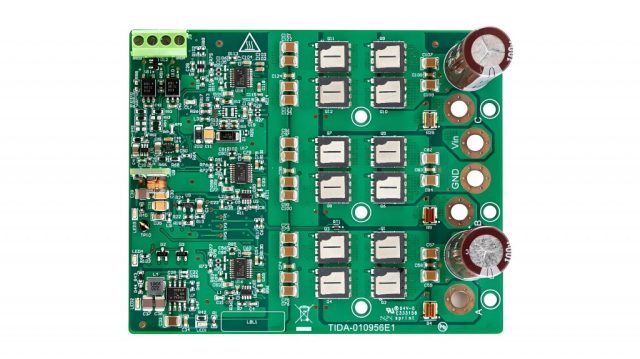
Most robotics systems use multilayer PCBs to accommodate complex circuitry within limited space.
Typical multilayer benefits include:
-
Higher component density
-
Improved signal routing efficiency
-
Enhanced electromagnetic compatibility (EMC)
-
Better power and ground plane management
Multilayer designs help robotics PCBs maintain compact size while supporting advanced functionality.
Applications of Robotics PCB
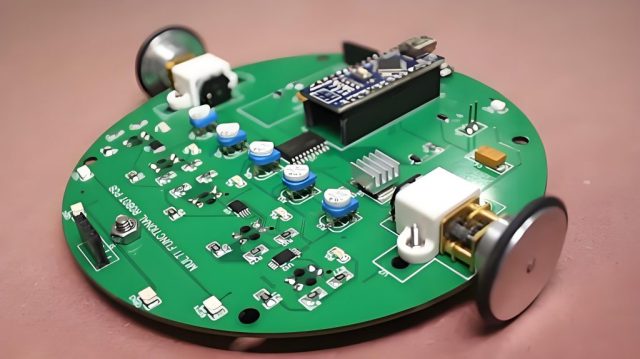
Robotics PCBs are essential components in many modern technologies, including:
-
Industrial robotic arms
-
Warehouse automation systems
-
Autonomous delivery robots
-
Surgical robotics
-
Smart service robots
In these applications, PCBs serve as the central electronic platform that connects sensors, processors, and actuators.
Conclusion
A Robotics PCB plays a critical role in enabling modern robotic systems to perform complex operations with precision and reliability. Through advanced PCB design techniques, including multilayer architecture, efficient power management, and high-speed signal routing, robotics PCBs support the growing demand for intelligent automation.
As robotics technology continues to advance, high-performance PCB solutions will remain essential for developing smarter, faster, and more reliable robotic platforms.
