
What Is a Rigid-Flex PCB?
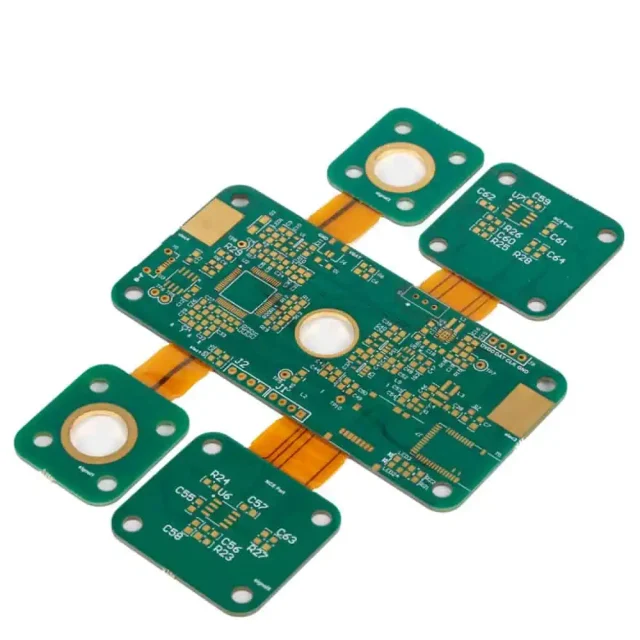
A Rigid-Flex PCB is a hybrid printed circuit board that combines rigid circuit board sections with flexible circuit layers in a single integrated structure. This design allows the board to bend or fold while maintaining strong mechanical support in specific areas.
Rigid-flex PCBs eliminate the need for multiple connectors, cables, or separate boards, enabling more compact and reliable electronic systems.
These PCBs are widely used in applications where space is limited, weight reduction is important, and reliability is critical, such as:
-
Aerospace and satellite electronics
-
Medical devices and wearable technology
-
Military equipment
-
Consumer electronics
-
Industrial control systems
By integrating rigid and flexible sections into one board, engineers can design more compact and durable electronic products.
Structure of a Rigid-Flex PCB
Rigid-flex PCBs consist of multiple rigid layers connected by flexible polyimide circuits. The flexible sections allow the board to bend, while the rigid areas provide mechanical stability for mounting components.
Typical layers may include:
-
Rigid FR4 layers for component placement
-
Flexible polyimide layers for bending areas
-
Copper conductive layers for signal routing
-
Coverlay or solder mask protection layers
This layered structure allows the board to perform reliably in environments where traditional PCBs would struggle.
Advantages of Rigid-Flex PCB
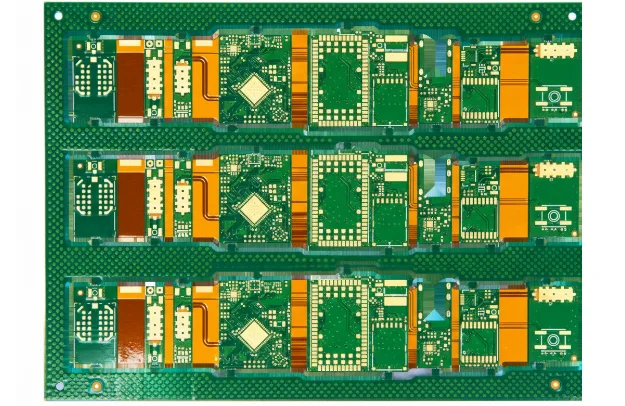
Space and Weight Reduction
Rigid-flex designs significantly reduce the need for connectors and cables, allowing engineers to minimize overall system size and weight.
Improved Reliability
Traditional connectors and wires can fail due to vibration or mechanical stress. Rigid-flex PCBs reduce these failure points by integrating the entire circuit into a single board.
Flexible Mechanical Design
The flexible sections allow boards to bend and fit into complex shapes, making them ideal for compact electronic devices.
Better Signal Performance
Because rigid-flex boards eliminate many connectors and interconnections, signal paths can be shorter and cleaner, improving signal integrity and electrical performance.
Design Considerations for Rigid-Flex PCB
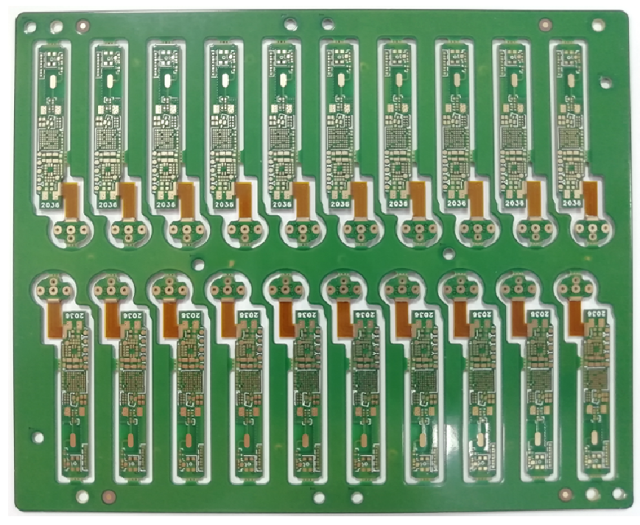
Designing a rigid-flex PCB requires careful engineering to ensure both electrical and mechanical reliability.
Bend Radius Control
Flexible sections must be designed with proper bend radius to avoid copper fatigue or cracking during operation.
Layer Stack-Up Planning
Proper stack-up design ensures balanced mechanical stress and stable electrical performance across rigid and flexible areas.
Component Placement
Components should typically be placed on rigid sections of the board to maintain mechanical stability and ease of assembly.
Material Selection
Flexible circuits often use polyimide materials, which provide excellent flexibility, thermal stability, and durability.
Applications of Rigid-Flex PCB
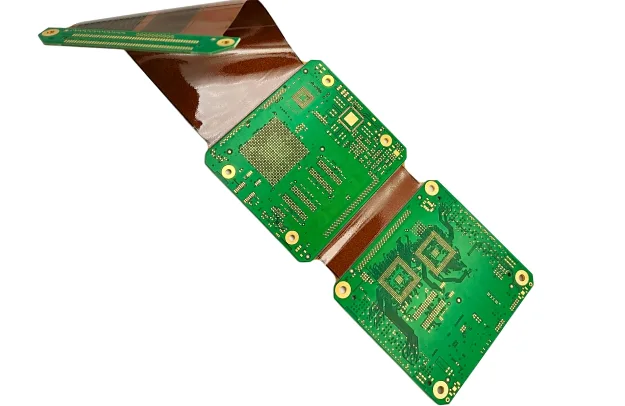
Rigid-flex PCBs are widely used in advanced electronic systems requiring compact size and high reliability.
Typical applications include:
-
Aerospace and avionics systems
-
Medical diagnostic equipment
-
Military communication devices
-
High-end consumer electronics
-
Industrial robotics
These industries benefit from rigid-flex designs because they can reduce assembly complexity and improve long-term reliability.
Conclusion
A Rigid-Flex PCB provides an innovative solution for electronic systems that require both structural strength and flexible connectivity. By integrating rigid and flexible circuits into a single board, designers can achieve smaller, lighter, and more reliable products.
As electronic devices continue to demand higher integration and compact designs, rigid-flex PCB technology will remain an important solution in modern electronics manufacturing.
