
Purchase RF PCB: What You Need to Know
When you plan to purchase RF PCB, you are not just buying a standard circuit board—you are sourcing a high-frequency solution that directly affects signal performance, system stability, and product reliability.
Unlike conventional PCB procurement, purchasing an RF PCB requires careful evaluation of:
- Material selection
- Manufacturing capability
- Impedance control accuracy
- High-frequency experience
Key Factors When You Purchase RF PCB
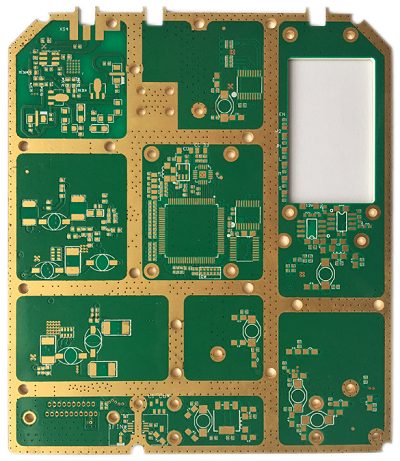
1. RF PCB Material Selection
Material is the foundation of RF PCB performance.
Common RF PCB materials include:
- PTFE-based materials (ultra-low loss)
- Hydrocarbon ceramic laminates (balanced performance)
- High-frequency laminates (stable Dk and low Df)
- Dielectric constant (Dk)
- Dissipation factor (Df)
- Frequency performance
2. Impedance Control Capability
When purchasing RF PCB, controlled impedance is critical.
Key requirements include:
- Tight impedance tolerance
- Consistent dielectric thickness
- Accurate trace geometry
3. Manufacturing Experience
Not every PCB supplier can handle RF PCB production.
When you purchase RF PCB, check:
- Experience with RF and microwave PCB
- Capability with PTFE or high-frequency materials
- Proven production stability
4. Surface Finish & Copper Quality
High-frequency signals are sensitive to conductor properties.
Important factors when purchasing RF PCB:
- Smooth copper (low-profile copper)
- Suitable surface finish (ENIG, immersion silver, etc.)
- Consistent plating thickness
5. Design Support & DFM
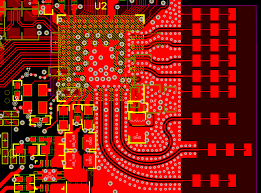
A reliable RF PCB manufacturer should support:
- Stack-up optimization
- Impedance calculation
- Design for manufacturability (DFM)
Common Applications When You Purchase RF PCB
1. 5G Communication Systems
RF PCB is essential for base stations and RF front-end modules.
2. RF & Microwave Circuits
Amplifiers, filters, and antenna systems.
3. Automotive Radar
High-frequency radar systems require stable RF PCB performance.
4. Satellite Communication
Long-distance signal transmission demands low-loss RF PCB.
5. Wireless Devices
Wi-Fi, Bluetooth, and IoT modules.
RF PCB vs Standard PCB Procurement
| Aspect | RF PCB | Standard PCB |
|---|---|---|
| Material | Specialized | FR4 |
| Tolerance | Tight | Standard |
| Performance | High-frequency | General |
| Supplier Requirement | Experienced | General |
Common Mistakes When Purchasing RF PCB
- Choosing suppliers based on price only
- Ignoring impedance control capability
- Using incorrect materials for frequency range
- Lack of RF design verification
How to Choose the Right RF PCB Supplier
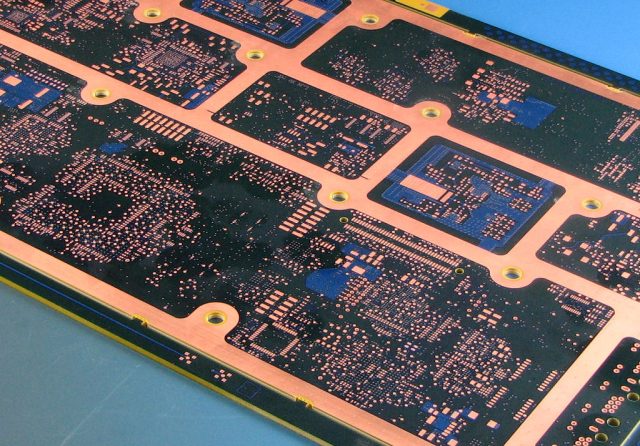
When you purchase RF PCB, evaluate suppliers based on:
1. RF Project Experience
Do they have real RF or microwave PCB cases?
2. Material Capability
Can they handle PTFE, RO4003, or similar materials?
3. Process Stability
Can they maintain consistency in volume production?
4. Engineering Support
Can they help optimize your design?
When Should You Purchase RF PCB?
You need to purchase RF PCB when:
- Operating frequency exceeds 1 GHz
- Signal integrity is critical
- RF or antenna design is involved
- High-speed performance is required
Conclusion
To successfully purchase RF PCB, you must evaluate both technical capability and manufacturing reliability. The right supplier ensures low signal loss, stable impedance, and consistent production quality.
A well-informed RF PCB purchasing decision can significantly improve system performance and reduce long-term costs.
