
As electronic products become smaller, lighter, and more functionally integrated, traditional rigid PCBs and cable interconnects often fail to meet modern design requirements. Multilayer rigid-flex PCBs combine rigid and flexible circuits into a single structure, enabling compact layouts, improved reliability, and enhanced electrical performance. Working with an experienced multilayer rigid-flex PCB manufacturer is essential to achieve consistent quality and long-term reliability.
What Is a Multilayer Rigid-Flex PCB?
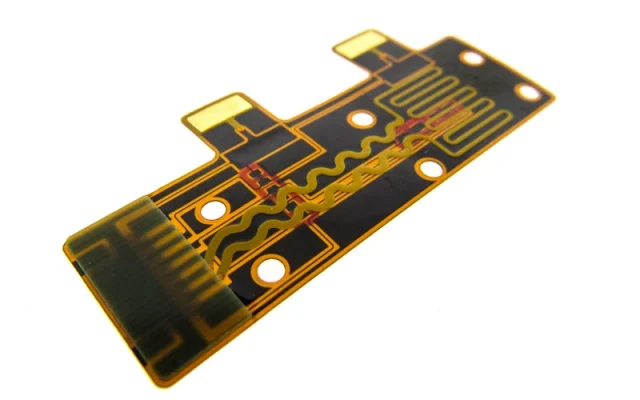
A multilayer rigid-flex PCB integrates multiple rigid PCB layers with one or more flexible circuit layers. This structure eliminates connectors and cables, allowing three-dimensional assembly and improved signal integrity.
Key features include:
-
Multiple rigid layers for component mounting
-
Flexible layers for dynamic or folded connections
-
Seamless electrical integration between rigid and flex sections
These characteristics make rigid-flex PCBs ideal for space-constrained and high-reliability applications.
Advantages of Multilayer Rigid-Flex PCBs
Partnering with a professional multilayer rigid-flex PCB manufacturer offers significant advantages:
-
Reduced interconnect and assembly complexity
-
Improved signal integrity and electrical reliability
-
Enhanced mechanical durability under vibration and movement
-
Compact, lightweight product design
-
Lower system-level assembly cost
Rigid-flex technology is widely adopted in advanced electronic systems.
Manufacturing Challenges in Multilayer Rigid-Flex PCBs
Multilayer rigid-flex PCB fabrication is highly complex and requires specialized expertise, including:
-
Precise lamination of rigid and flexible materials
-
Controlled flex bend radius and thickness
-
Accurate layer registration across rigid and flex sections
-
Stress management to prevent delamination or cracking
An experienced multilayer rigid-flex PCB manufacturer ensures process stability and high yield.
Materials Used in Multilayer Rigid-Flex PCB Manufacturing
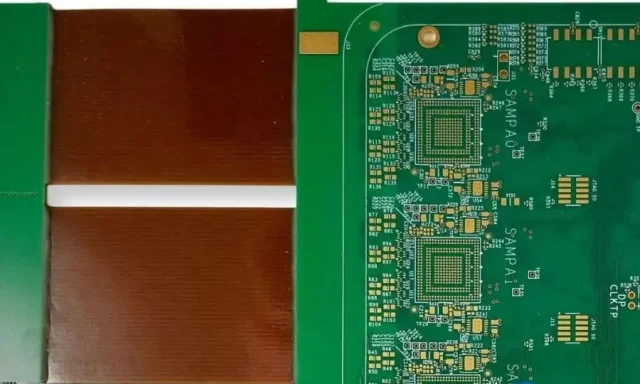
Professional manufacturers carefully select materials to meet electrical and mechanical requirements, such as:
-
Polyimide (PI) films for flexible layers
-
FR-4 or high-Tg materials for rigid sections
-
Adhesiveless flex materials for improved reliability
-
Copper foils optimized for flex durability
Material compatibility is critical for long-term performance.
Quality Control and Reliability Assurance
A qualified multilayer rigid-flex PCB manufacturer implements strict quality control, including:
-
AOI and X-ray inspection
-
Electrical continuity and isolation testing
-
Flex endurance and bend testing
-
Thermal and mechanical reliability evaluation
These measures ensure consistent quality across all production stages.
Applications of Multilayer Rigid-Flex PCBs
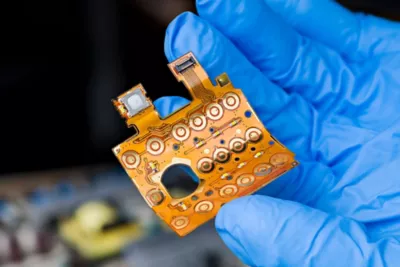
Multilayer rigid-flex PCBs are widely used in:
-
Medical devices and diagnostic equipment
-
Aerospace and defense electronics
-
Automotive and ADAS systems
-
Wearable and portable electronics
-
Industrial control and embedded systems
These applications demand high reliability and compact integration.
How to Choose the Right Multilayer Rigid-Flex PCB Manufacturer
When selecting a multilayer rigid-flex PCB manufacturer, consider:
-
Experience with complex rigid-flex designs
-
Advanced manufacturing and inspection equipment
-
Engineering support and DFM expertise
-
Quality management and certification standards
-
Proven track record in high-reliability industries
Choosing the right partner reduces development risk and ensures long-term success.
Conclusion
A multilayer rigid-flex PCB manufacturer plays a vital role in enabling compact, reliable, and high-performance electronic products. Through advanced materials, precise manufacturing processes, and strict quality control, professional manufacturers deliver rigid-flex PCB solutions that meet the most demanding application requirements.
By partnering with an experienced multilayer rigid-flex PCB manufacturer, companies can accelerate product development while ensuring consistent quality and reliability.
