
What Is a mmWave Module PCB?
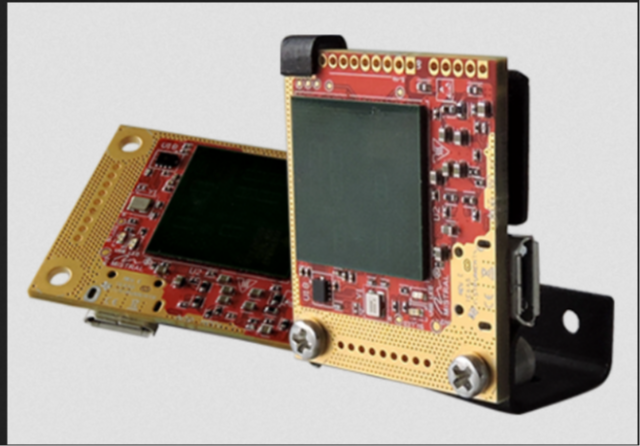
A mmWave Module PCB is a specialized printed circuit board used in millimeter-wave (mmWave) modules, typically operating at frequencies above 24 GHz, such as 26 GHz, 28 GHz, 39 GHz, and 77 GHz. These PCBs integrate RF transceivers, antennas, filters, and high-speed interfaces into compact modules.
Due to the extremely short wavelengths, mmWave Module PCBs demand ultra-low loss materials, precise impedance control, and high manufacturing accuracy.
Key Design Requirements for mmWave Module PCB
A reliable mmWave Module PCB must meet stringent technical requirements:
-
Ultra-low dielectric loss
Minimizes attenuation at mmWave frequencies. -
Highly stable dielectric constant (Dk)
Ensures accurate RF performance. -
Precise impedance control
Critical for transmission lines and antenna feeds. -
Short signal paths and compact layout
Reduces insertion loss and parasitics. -
Excellent surface roughness control
Minimizes conductor loss. -
Strict EMI shielding and isolation
These requirements significantly exceed those of conventional RF PCBs.
Material Selection for mmWave Module PCB
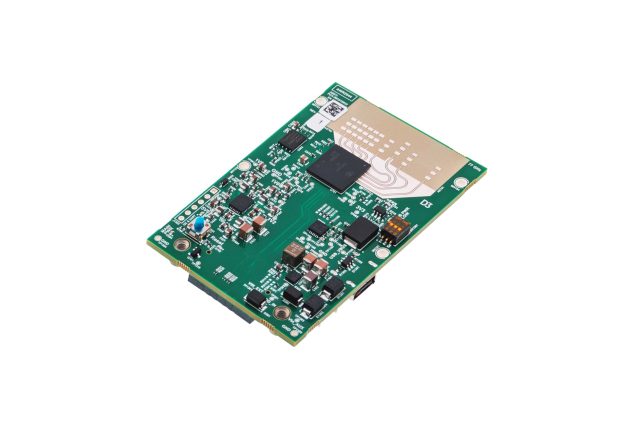
Material choice is critical for mmWave performance:
-
PTFE-based RF laminates
Rogers RT/duroid 5880, RO3003 for ultra-low loss. -
Advanced hydrocarbon ceramic materials
RO4350B, Taconic RF-35 for balanced cost and performance. -
Low-profile copper (VLP / HVLP)
Reduces skin effect losses. -
Hybrid PCB stack-ups
Combine RF layers with control or digital layers.
Proper material selection directly impacts mmWave module performance.
Manufacturing Challenges of mmWave Module PCB
Producing a mmWave Module PCB requires advanced manufacturing capability:
-
Fine line and spacing control
-
Tight impedance tolerance (often ±5% or better)
-
High-precision drilling and via control
-
Accurate layer alignment
-
Advanced inspection and RF testing
Small process variations can significantly affect mmWave performance.
Advantages of Professional mmWave Module PCB Manufacturing
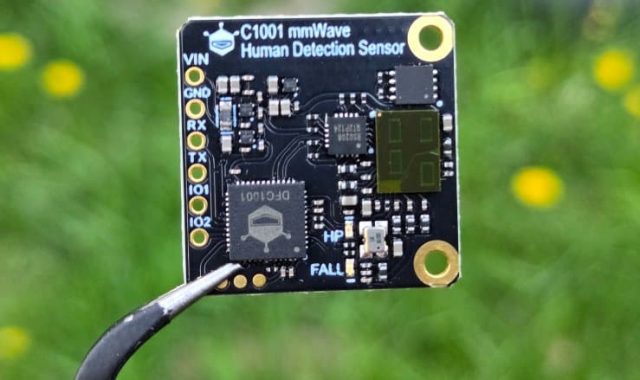
Working with an experienced mmWave Module PCB supplier offers:
-
Optimized RF stack-up design
-
Stable ultra-high-frequency performance
-
Consistent impedance and low loss
-
Reliable quality from prototype to volume production
-
Faster development cycles for mmWave products
These advantages are essential for mmWave applications.
Applications of mmWave Module PCB
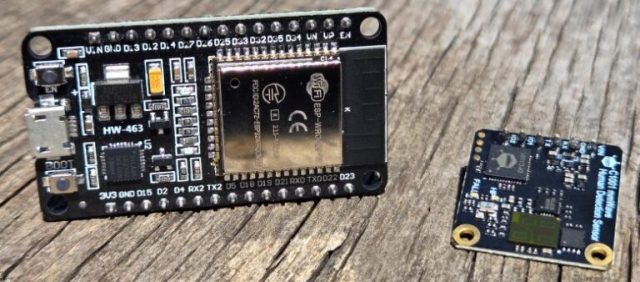
mmWave Module PCBs are widely used in:
-
5G mmWave communication modules
-
Automotive radar (77 GHz / 79 GHz)
-
ADAS and autonomous driving systems
-
Satellite and aerospace RF modules
-
High-frequency test and measurement equipment
-
Phased array antenna modules
They are key components in next-generation wireless systems.
Conclusion
A mmWave Module PCB is a critical enabler for millimeter-wave communication and sensing technologies. By combining ultra-low loss materials, precise impedance control, and advanced manufacturing processes, mmWave Module PCBs deliver reliable performance at extremely high frequencies.
Choosing a qualified mmWave Module PCB manufacturer ensures consistent RF performance, high yield, and long-term reliability in demanding mmWave applications.
