
What is BT Epoxy PCB?
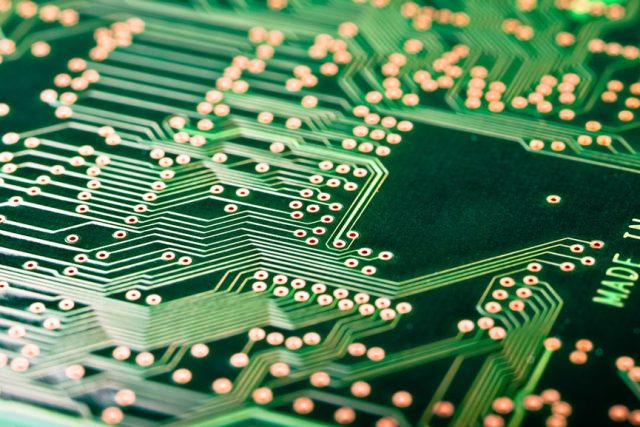
BT Epoxy PCB refers to printed circuit boards manufactured using Bismaleimide-Triazine (BT) resin, a high-performance material widely used in semiconductor packaging and advanced electronic applications.
Compared to standard FR4, BT epoxy offers superior thermal stability, lower moisture absorption, and improved electrical performance, making it ideal for IC substrates and high-reliability designs.
Typical applications include:
- IC substrate manufacturing
- BGA (Ball Grid Array) and CSP packaging
- High-speed digital systems
- Semiconductor devices
- Networking and server hardware
Key Properties of BT Epoxy PCB
BT resin materials are engineered to meet the demanding requirements of modern electronics:
1. High Glass Transition Temperature (Tg)
BT epoxy typically features Tg above 180°C, ensuring excellent stability during multiple reflow cycles.
2. Low Coefficient of Thermal Expansion (CTE)
Provides better compatibility with silicon chips, reducing mechanical stress and improving long-term reliability.
3. Low Moisture Absorption
Minimizes the risk of delamination and “popcorn effect” during soldering processes.
4. Enhanced Electrical Performance
Supports high-speed signal transmission with lower dielectric loss compared to FR4.
5. Superior Dimensional Stability
Critical for fine-pitch circuits and multilayer IC substrate designs.
BT Epoxy PCB vs FR4
| Property | BT Epoxy PCB | FR4 PCB |
|---|---|---|
| Tg | High (>180°C) | Medium (130–170°C) |
| CTE | Low | Higher |
| Moisture Absorption | Low | Higher |
| Electrical Performance | Better | Standard |
| Cost | Higher | Lower |
Summary:
FR4 is suitable for general applications, while BT epoxy is designed for high-reliability and semiconductor-level requirements.
BT Epoxy PCB vs ABF Substrate
BT epoxy is often compared with ABF (Ajinomoto Build-up Film), especially in semiconductor packaging:
| Feature | BT Epoxy | ABF |
|---|---|---|
| Cost | Lower | Higher |
| Line Width/Spacing | Medium | Ultra-fine |
| Application | BGA, CSP | High-end CPUs, GPUs |
| Manufacturing Complexity | Moderate | Very High |
Conclusion:
- BT epoxy = mainstream, cost-effective solution
- ABF = cutting-edge, high-density chip packaging
Applications of BT Epoxy PCB
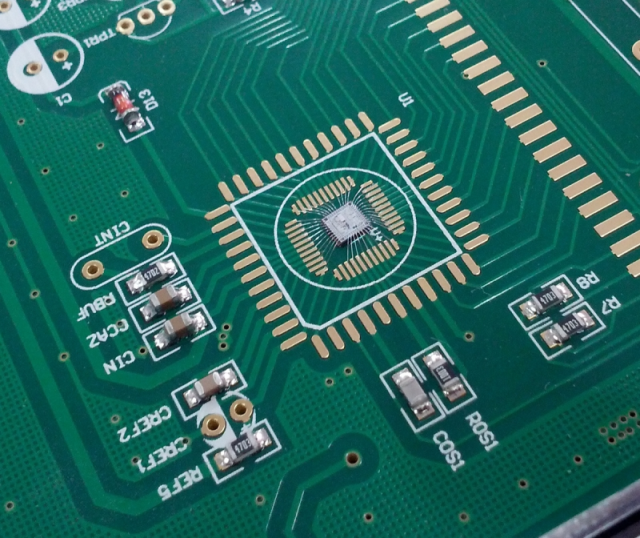
1. IC Substrates
The primary use of BT materials, enabling reliable chip-to-board interconnections.
2. BGA & CSP Packaging
Supports high-density interconnects and stable solder joint performance.
3. Networking Equipment
Used in servers, switches, and data communication systems requiring high-speed signal integrity.
4. Consumer Electronics
Common in smartphones, wearables, and compact electronic devices.
5. Automotive Electronics
Applied in ECUs and control systems requiring thermal and mechanical reliability.
Manufacturing Considerations
BT Epoxy PCB production requires advanced capabilities and process control:
- Precise multilayer alignment
- Strict microvia fabrication control
- Controlled lamination parameters
- Compatibility with advanced surface finishes
Manufacturers without IC substrate experience may face yield and reliability issues.
When Should You Choose BT Epoxy PCB?
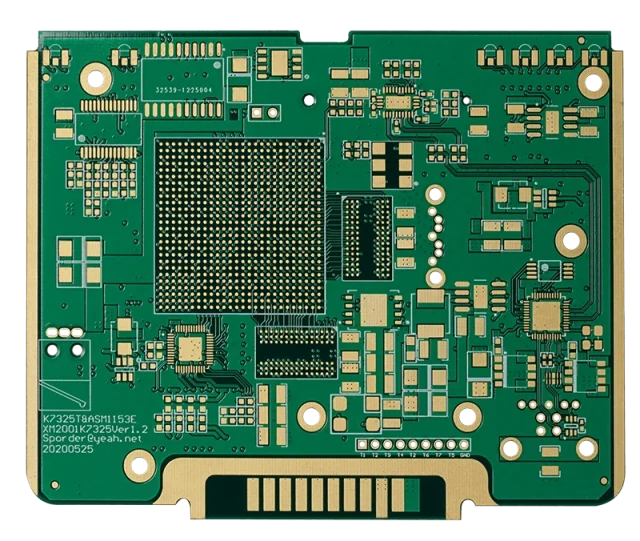
BT epoxy is a suitable choice when your project involves:
- BGA or CSP packaging
- High thermal stress environments
- High reliability requirements
- Fine-pitch circuit design (but not ultra-fine like ABF)
It may not be necessary for:
- Low-cost consumer electronics
- Standard PCB applications without packaging requirements
Conclusion
BT Epoxy PCB is a key material in semiconductor packaging and high-speed electronics, offering an excellent balance of thermal performance, electrical reliability, and cost efficiency.
For applications such as IC substrates, BGA packaging, and networking systems, BT resin provides a proven and scalable solution.
