
Fast and accurate PCB quotation is no longer a luxury—it is a critical enabler for modern hardware development. Whether the goal is prototype validation or high-volume mass production, incomplete design data often leads to delays, miscommunication, and multiple rounds of clarification. By providing complete engineering files such as the Gerber, BOM, stackup, and material specifications, hardware teams can significantly accelerate the quotation process and ensure manufacturing feasibility from the very beginning.
Why Complete Engineering Data Drives Faster and More Accurate PCB Quotations
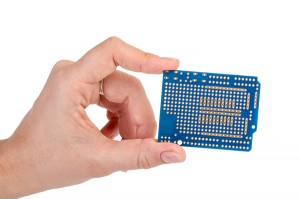
PCB cost is not determined by “layer count” or “board size” alone. Modern PCB fabrication involves multiple variables that must be evaluated simultaneously, including copper distribution, material type, impedance requirements, drill complexity, plating thickness, surface finish, and tolerances.
When a quotation request includes only partial information, engineering teams must spend time confirming the missing details. This delays DFM review, slows pricing evaluation, and increases the risk of mismatches between design intent and manufacturability.
Providing complete documentation eliminates guesswork and allows manufacturers like KKPCB to generate a precise quotation in the shortest possible time.
What Complete PCB Documentation Should Include
1. Gerber Files (Manufacturing Artwork)
Gerber files define every detail of the PCB layers—copper, solder mask, silkscreen, drill, and mechanical outlines. They allow engineering teams to immediately evaluate design feasibility, routing density, drill structure, and CAM requirements.
Without Gerber files, no accurate quotation or DFM assessment is possible.
2. BOM (Bill of Materials)
For PCB assembly quotations, a complete BOM is essential. It must specify component part numbers, packaging types, quantities, footprints, and any substitution rules.
A clear BOM helps prevent procurement delays and ensures that assembly costs reflect the real component requirements.
3. Stackup Details
A detailed stackup dramatically improves quotation accuracy, especially for multilayer, HDI, RF, and high-speed applications. Stackup defines:
• layer count
• dielectric thickness
• core/prepreg selection
• copper weight
• impedance-controlled layers
• blind/buried via structures
These parameters directly determine lamination cycles, material cost, drill complexity, and production yield.
4. Material Specifications
Different applications require different materials—FR4, high-Tg FR4, Rogers, PTFE, Megtron, low-loss laminates, heavy copper cores, or hybrid constructions.
Material selection affects:
• dielectric constant (Dk)
• dissipation factor (Df)
• thermal reliability
• RF performance
• mechanical strength
• overall cost
Providing exact material specifications avoids misunderstandings and shortens the quotation cycle dramatically.
How Complete Files Enhance Both Speed and Precision
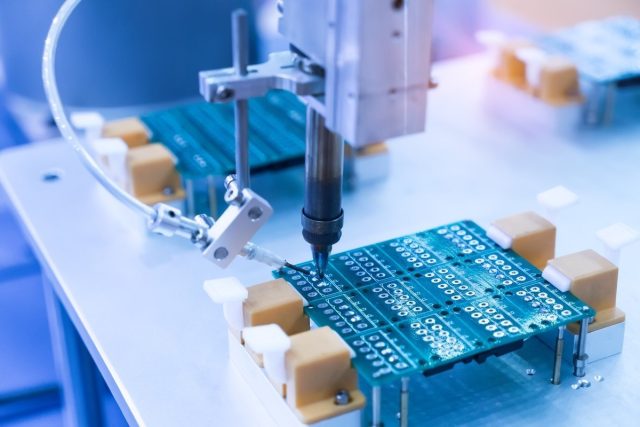
When all engineering files are submitted together, manufacturers can:
• complete DFM/DFT evaluation in one pass
• generate accurate costing for fabrication and assembly
• identify high-risk structures early
• confirm lead time with no uncertainty
• avoid repetitive back-and-forth communication
For high-complexity designs—HDI, RF, mmWave, heavy copper, controlled-impedance systems—complete data prevents production delays and significantly reduces rework probability.
Conclusion
Fast, precise PCB quotation depends on the completeness of engineering data. By submitting Gerber files, BOM, stackup, and material specifications, hardware teams enable a streamlined quotation workflow and ensure the final proposal reflects real manufacturing needs.
KKPCB supports comprehensive engineering review and rapid quotation for prototypes and mass production. Complete specifications translate directly into shorter development cycles, lower risk, and higher manufacturing reliability.
