Copper Foil Adhesion in High-Frequency PCB Reliability
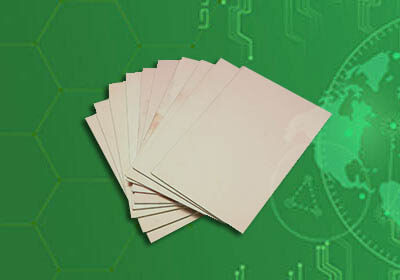
In advanced RF PCB, microwave PCB, and millimeter-wave PCB applications, the bonding strength between copper foil and substrate material is a critical factor affecting long-term electrical and mechanical reliability. For PTFE-based high-frequency PCB materials such as RT-duroid® 5870, maintaining strong and stable copper foil adhesion during soldering and assembly processes is essential for ensuring:
- Stable RF signal transmission
- Mechanical durability
- Thermal cycling resistance
- Long-term PCB reliability
As RT-duroid® 5870 high-frequency PCB materials are widely used in:
- Aerospace RF systems
- Automotive radar PCB designs
- 5G mmWave communication modules
- Microwave antenna circuits
- Satellite communication systems
understanding the influence of solder temperature on copper foil adhesion becomes increasingly important in RF PCB manufacturing and assembly engineering.
Overview of RT-duroid® 5870 High-Frequency PCB Material
What Is RT-duroid® 5870?
RT-duroid® 5870 is a high-performance PTFE composite laminate specifically engineered for:
- RF and microwave PCB applications
- Ultra-low-loss signal transmission
- High-frequency stability
- Low dielectric loss performance
Key Electrical Properties
- Dielectric constant (Dk): approximately 2.33
- Ultra-low dissipation factor (Df)
- Low moisture absorption
- Excellent high-frequency signal integrity
These characteristics make RT-duroid® 5870 ideal for:
- RF PCB manufacturing
- Microwave communication systems
- High-speed antenna PCB structures
- Millimeter-wave PCB applications
Copper Foil Adhesion in RT-duroid® 5870 PCB Structures
What Is Copper Foil Adhesion?
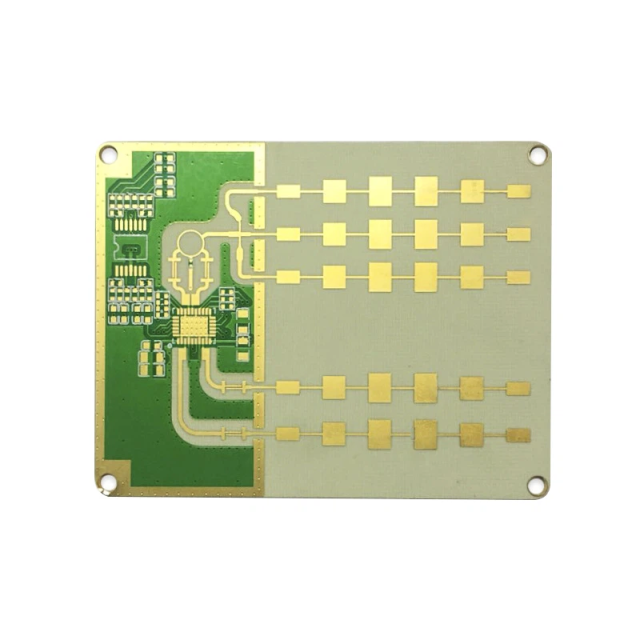
Copper foil adhesion refers to the bonding strength between:
- The copper conductive layer
- The PTFE-based laminate substrate
In high-frequency PCB manufacturing, copper adhesion directly affects:
- PCB mechanical strength
- Thermal reliability
- RF signal stability
- Long-term structural durability
Poor adhesion may lead to:
- Copper foil lifting
- PCB delamination
- Open circuits
- RF signal degradation
Challenges of Copper Adhesion in PTFE PCB Materials
Compared with traditional FR4 PCB materials, PTFE-based RF laminates present unique challenges:
- Lower surface energy
- Higher thermal expansion characteristics
- More difficult copper bonding behavior
Therefore, RT-duroid® 5870 PCB fabrication requires:
- Specialized copper treatment technology
- Controlled lamination processes
- Optimized soldering temperature profiles
Influence of Solder Temperature on Copper Foil Adhesion
1. Thermal Stress During Soldering Processes
During:
- Reflow soldering
- Manual soldering
- Wave soldering
the PCB experiences rapid thermal exposure.
Excessive soldering temperature can:
- Increase interfacial mechanical stress
- Weaken copper-to-substrate bonding
- Accelerate thermal fatigue
This directly impacts high-frequency PCB reliability.
2. PTFE Material Sensitivity to Elevated Temperature
RT-duroid® 5870 uses a PTFE composite structure that:
- Expands significantly under heat
- Softens under excessive thermal exposure
- Experiences bonding stress during cooling cycles
When solder temperature becomes too high, risks increase for:
- Copper foil separation
- Delamination
- Reduced peel strength
3. Thermal Expansion Mismatch Effects
Copper foil and PTFE laminates have different:
- Coefficients of thermal expansion (CTE)
At elevated solder temperatures:
- Expansion mismatch creates interfacial stress
- Repeated thermal cycling accelerates fatigue damage
This may result in:
- Micro-cracking
- Copper lifting
- Structural degradation
4. Copper Surface Oxidation and Bonding Degradation
High solder temperatures may also:
- Accelerate copper oxidation
- Reduce solderability
- Degrade long-term bonding reliability
This is especially critical in:
- Fine-line RF PCB structures
- High-frequency transmission circuits
Experimental Analysis of Solder Temperature Effects
Low Solder Temperature Conditions
Advantages
- Reduced thermal stress on PTFE substrate
- Better material stability
Potential Problems
- Incomplete solder wetting
- Weak solder joints
- Poor assembly consistency
Optimal Solder Temperature Range
Observed Results
- Stable solder joint formation
- Strong copper foil adhesion
- Balanced thermal exposure
- Improved RF PCB reliability
An optimized soldering temperature profile provides the best balance between:
- Solderability
- Mechanical durability
- Long-term high-frequency PCB performance
Excessive Solder Temperature Conditions
Negative Effects
- Significant reduction in peel strength
- Increased copper delamination risk
- PTFE substrate degradation
- Reduced PCB structural reliability
Excessive soldering temperature severely impacts:
- RF PCB durability
- Microwave PCB stability
- Long-term electrical reliability
Factors Affecting Copper Foil Adhesion Reliability
1. Copper Surface Treatment Technology
Copper treatment strongly affects:
- Mechanical bonding capability
- Surface roughness
- RF insertion loss performance
Common copper types:
- Rolled annealed copper
- Electrodeposited copper
- Adhesion-enhanced copper foil
2. Lamination Process Parameters
Critical lamination variables include:
- Pressure control
- Temperature uniformity
- Resin flow consistency
Optimized lamination improves:
- Copper bonding stability
- Thermal reliability
- Mechanical consistency
3. PCB Assembly Thermal Profile Control
Important process parameters:
- Peak soldering temperature
- Heating rate
- Cooling rate
- Time above liquidus (TAL)
Controlled thermal profiles reduce:
- Thermal shock
- Copper adhesion degradation
4. Environmental Reliability Conditions
Long-term exposure to:
- Humidity
- Thermal cycling
- Mechanical vibration
can accelerate copper foil adhesion deterioration.
Methods to Improve Copper Foil Adhesion Reliability
1. Optimized Soldering Temperature Profiles
Using:
- Controlled reflow curves
- Lower peak solder temperatures
helps reduce thermal stress on PTFE laminates.
2. Advanced Copper Surface Treatments
Improved copper treatments enhance:
- Mechanical interlocking
- Chemical bonding strength
- Long-term adhesion reliability
3. Precision Lamination Technology
Advanced lamination processes improve:
- Bonding uniformity
- Thermal durability
- Structural consistency
4. Improved Thermal Management PCB Design
Effective thermal management reduces localized overheating through:
- Thermal vias
- Copper balancing
- Optimized RF PCB layouts
Applications of RT-duroid® 5870 High-Frequency PCB Materials
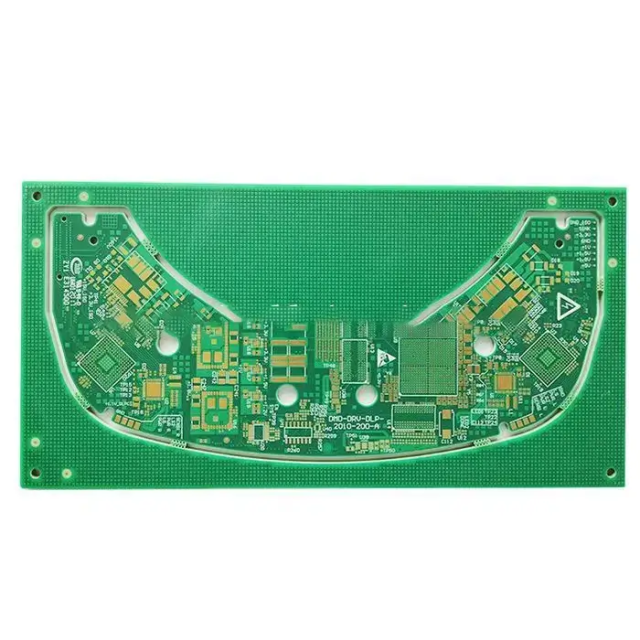
- Automotive radar PCB systems
- Aerospace RF communication modules
- Satellite microwave systems
- 5G mmWave communication hardware
- RF antenna PCB structures
- High-frequency test equipment
Future Trends in PTFE RF PCB Reliability
1. Low-Temperature PCB Assembly Processes
Reducing thermal stress for PTFE RF laminates.
2. Enhanced Copper Bonding Technologies
Development of:
- Advanced adhesion promoters
- Improved copper treatment systems
3. High-Reliability RF PCB Manufacturing
Future focus areas:
- Thermal stability
- Long-term durability
- Ultra-low-loss RF performance
4. Advanced PTFE Composite Engineering
New material systems will provide:
- Lower thermal expansion
- Better mechanical strength
- Enhanced copper foil adhesion
Conclusion
The solder temperature effect on copper foil adhesion to RT-duroid® 5870 material is a critical consideration in modern RF PCB manufacturing and high-frequency PCB assembly.
Excessive soldering temperatures can significantly reduce:
- Copper peel strength
- Mechanical stability
- Long-term RF PCB reliability
By optimizing:
- Soldering temperature profiles
- Copper surface treatment technologies
- Lamination process control
- Thermal management PCB design
manufacturers can greatly improve the performance and durability of RT-duroid® 5870 high-frequency PCB systems used in aerospace, automotive radar, microwave communication, and advanced RF applications.