
The Need for Flexible PCB Testing
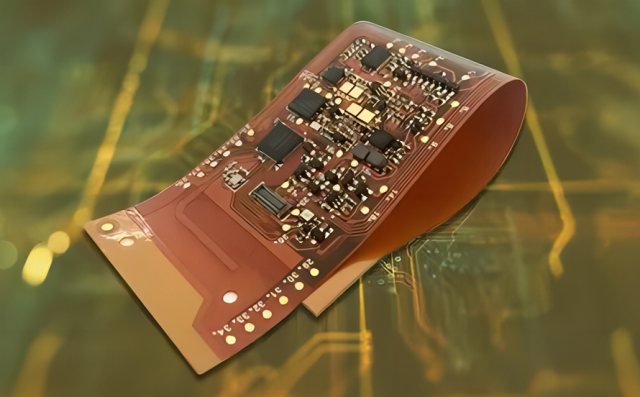
In small batch PCB manufacturing and prototype PCB production, traditional testing methods such as ICT (In-Circuit Testing) can be expensive and time-consuming due to fixture requirements.
Flying Probe Testing (FPT) provides a highly efficient alternative, offering precision testing, flexibility, and cost efficiency without the need for dedicated test fixtures. It is widely used in low-volume, high-mix PCB production, especially for R&D, prototyping, and quick-turn manufacturing.
What is Flying Probe Testing?
Flying Probe Testing is an automated electrical testing method where movable probes contact test points on the PCB to perform:
- Continuity testing
- Open/short detection
- Component verification
- Basic functional checks
Unlike ICT, FPT does not require a custom test fixture, making it ideal for small batch PCB manufacturing.
Key Advantages of Flying Probe Testing
1. High Precision Testing
- Accurate detection of opens, shorts, and soldering defects
- Suitable for fine-pitch and high-density PCBs
- Ensures high test coverage even in complex designs
2. Maximum Flexibility
- No need for test fixture development
- Easily adaptable to design changes and revisions
- Ideal for prototype PCB testing and engineering validation
3. Cost Efficiency for Small Volumes
- Eliminates fixture costs associated with ICT
- Reduces upfront investment
- Perfect for low-volume and high-mix production
4. Faster Turnaround Time
- Immediate testing after PCB fabrication
- No delay for fixture design and manufacturing
- Supports rapid prototyping cycles
Flying Probe vs ICT: Key Differences
| Feature | Flying Probe Testing | ICT (In-Circuit Testing) |
|---|---|---|
| Fixture Required | No | Yes |
| Setup Cost | Low | High |
| Testing Speed | Moderate | Fast |
| Best for | Small batch, prototypes | Mass production |
| Flexibility | High | Low |
Conclusion: Flying Probe is ideal for small batch PCB manufacturing, while ICT is more suitable for high-volume production.
Applications in Small Batch PCB Manufacturing
- Prototype PCB validation
- R&D and engineering testing
- High-mix low-volume production
- Complex multilayer PCB verification
- Quick-turn PCB assembly projects
Design Considerations for Flying Probe Testing
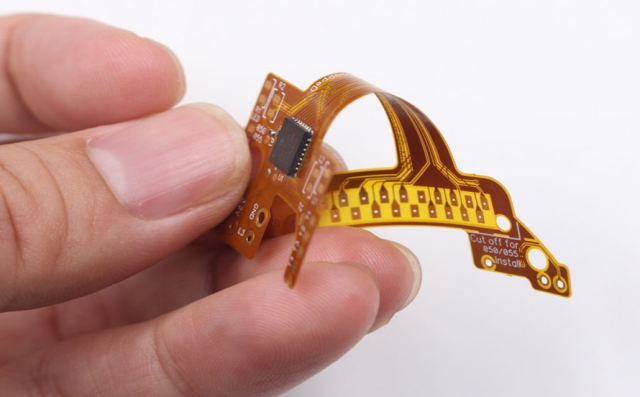
1. Accessible Test Points
- Ensure adequate test pad spacing
- Avoid placing components too close to test nodes
2. PCB Layout Optimization
- Provide clear probe access
- Maintain proper trace exposure
3. Data Preparation
- Provide accurate Gerber files and netlist data
- Ensure alignment between design and test program
Limitations of Flying Probe Testing
- Slower compared to ICT for high-volume production
- Limited capability for full functional testing
- May require multiple passes for complex boards
Despite these limitations, FPT remains the best solution for small batch PCB testing.
Best Practices for Implementation
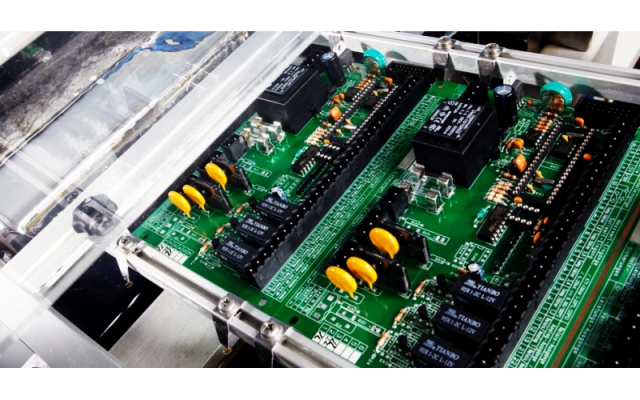
- Design PCBs with testability in mind (DFT)
- Use Flying Probe for prototype and pre-production validation
- Combine with ICT for mass production scaling
- Ensure accurate test data and documentation
- Perform post-test analysis for defect prevention
Conclusion
Flying Probe Testing plays a critical role in small batch PCB manufacturing, offering unmatched flexibility, precision, and cost efficiency. It enables manufacturers and engineers to quickly validate designs, reduce errors, and accelerate product development cycles.
For prototype PCBs and low-volume production, Flying Probe Testing is the optimal solution to ensure high-quality and reliable PCB performance.
