
Master Your Budget: Proven Strategies for Rigid Flex PCB Cost Optimization
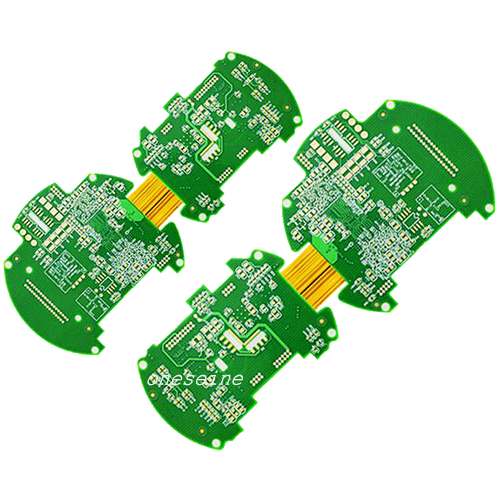
In modern electronics, Rigid-Flex PCB technology is the gold standard for compact, high-reliability designs. However, the complexity of Rigid-Flex manufacturing often leads to higher production expenses. Achieving effective Rigid Flex PCB cost optimization requires a strategic balance between sophisticated engineering and smart logistical choices.
At KKPCB, we help engineers navigate these complexities. Here is how you can refine your PCB design to maximize performance while minimizing costs.
1. Strategic Layer Count & Stack-up Management
The most direct way to impact PCB cost optimization is by managing the layer count. Every additional layer increases lamination cycles and material consumption.
- Minimize Flex Layers: Designing a flex PCB section with 1 or 2 layers is significantly more cost-effective than multilayer flex.
- Integrated Rigid Sections: Use rigid areas for high-density component placement and reserve the flexible portion solely for critical interconnections. This reduces the overall complexity of the Rigid-Flex PCB stack-up.
2. Cost-Effective Material Selection
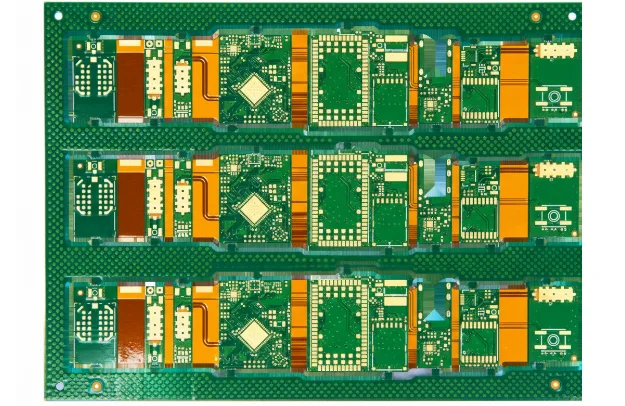
Choosing the right substrate is vital for electronics manufacturing budgets.
- Adhesiveless vs. Adhesive-Based: While adhesiveless polyimide offers superior thermal resistance and flexibility, adhesive-based materials are often sufficient for less demanding applications and offer a lower price point.
- Standardize Your Materials: Utilizing standard KKPCB stock materials prevents the high lead times and “special order” premiums associated with exotic laminates.
3. Advanced DFM (Design for Manufacturing)
Proper DFM is the backbone of Rigid Flex PCB cost optimization. A design that is easy to build is always cheaper to produce.
- Maximize Panel Utilization: Collaborate with your PCB manufacturer to optimize the board shape. Reducing wasted space on the production panel directly lowers the unit cost of each Rigid-Flex PCB.
- Refine Tolerances: Avoid “over-engineering.” Only apply tight tolerances to mission-critical areas. Looser tolerances improve manufacturing yield and reduce the scrap rate.
4. Simplify Transition Zones & Reinforcements
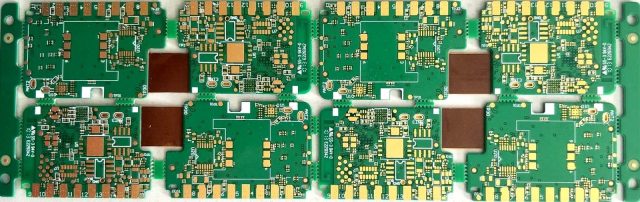
The interface where the flex PCB meets the rigid board is a critical cost center.
- Use Stiffeners Where Possible: If you only need localized rigidity for component mounting, using an FR4 or Polyimide stiffener is much cheaper than a full-scale Rigid-Flex construction.
- Simplified Strain Relief: Instead of complex mechanical clamps, utilize a simple epoxy “bead” at the transition zone to provide durability during the Rigid-Flex manufacturing process.
5. Early-Stage Collaboration with KKPCB
The most successful Rigid-Flex PCB projects involve the manufacturer from day one. Early PCB design reviews allow us to identify potential “cost traps” before they are locked in. Our engineering team at KKPCB provides expert guidance on stack-up validation and material compatibility to ensure your project hits its budget targets.
Streamline Your Production with KKPCB
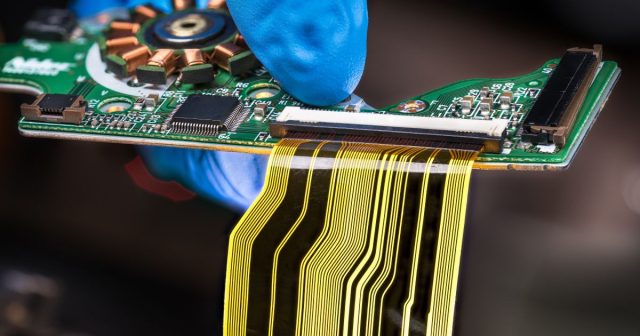
Stop overpaying for complexity. Optimize your Rigid-Flex PCB today by leveraging our advanced electronics manufacturing expertise.
