Understanding Material Behavior in Extreme Environments
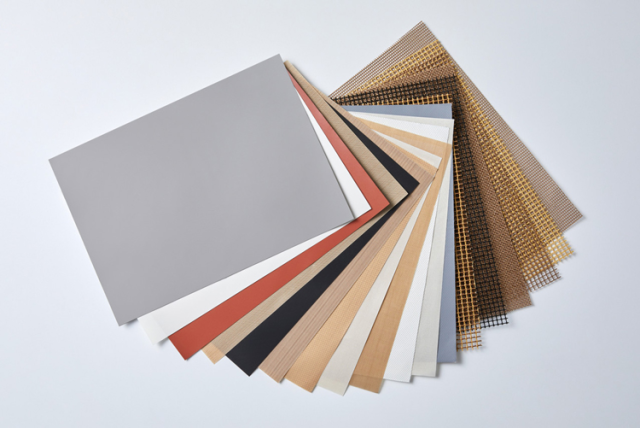
In critical applications such as nuclear instrumentation, satellite electronics, and defense systems, the durability of high-frequency PCB materials under nuclear radiation is a vital consideration. RT-duroid® PTFE-based composites are widely recognized for their superior electrical performance, thermal stability, and low signal loss, but understanding their behavior under ionizing radiation is crucial for high-reliability systems.
This study explores the effects of nuclear radiation on RT-duroid® laminates and provides insights into their long-term performance in extreme environments.
Overview of RT-duroid® PTFE-Based Composites
RT-duroid® composites are PTFE-based laminates designed for:
- High-frequency PCB applications
- Microwave circuits
- RF communication modules
Key Properties
- Ultra-low dielectric constant (Dk)
- Minimal dissipation factor (Df)
- Excellent thermal stability
- Low signal loss at high frequencies
- Superior mechanical durability
These characteristics make RT-duroid® an ideal material for high-reliability RF and microwave systems.
Effects of Nuclear Radiation on RT-duroid® Composites
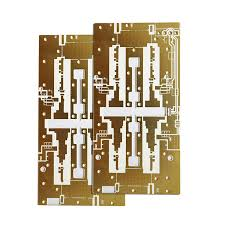
Exposure to nuclear radiation (gamma rays, neutrons, and other ionizing sources) can affect PCB materials in the following ways:
1. Dielectric Property Changes
- Slight variation in Dk/Df values depending on radiation dose
- Minor impact on impedance control and signal integrity at moderate doses
2. Mechanical Degradation
- Radiation can reduce tensile strength and flexural modulus
- PTFE-based laminates maintain acceptable mechanical integrity at standard radiation levels used in aerospace or nuclear applications
3. Thermal Stability
- RT-duroid® laminates show high resistance to thermal degradation even after radiation exposure
- Maintains performance in high-temperature operation
4. Signal Performance Impact
- Minimal increase in insertion loss at typical operating frequencies
- Stable RF and microwave performance in high-reliability applications
Testing Methods for Radiation Exposure
1. Gamma Irradiation
Simulates ionizing radiation effects on dielectric and mechanical properties.
2. Neutron Irradiation
Evaluates structural and performance stability in nuclear environments.
3. Post-Irradiation Electrical Testing
- Measure Dk/Df variation
- Evaluate signal integrity
- Confirm low insertion loss
Applications in High-Reliability Environments
RT-duroid® PTFE composites are suitable for:
- Nuclear instrumentation systems
- Satellite and space communication modules
- Aerospace radar systems
- Defense electronics
These applications demand materials that retain electrical and mechanical stability under extreme radiation exposure.
Design and Manufacturing Considerations
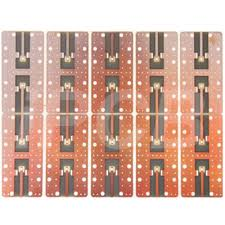
1. Controlled Impedance and Stack-Up Design
Maintains signal integrity despite minor dielectric changes due to radiation.
2. Thermal Management
High-frequency operation combined with radiation exposure requires effective heat dissipation strategies.
3. Material Selection
Selecting RT-duroid® grade suitable for radiation-intensive environments ensures:
- Minimal performance degradation
- Long-term component reliability
Conclusion: Ensuring Reliability in Radiation Environments
RT-duroid® PTFE-based composites exhibit excellent resilience to nuclear radiation, maintaining low signal loss, stable Dk/Df, and strong mechanical properties. Engineers designing RF and microwave PCBs for nuclear, aerospace, or defense applications can rely on these materials to ensure high-reliability operation under extreme environmental conditions.
Proper material selection, stack-up design, and post-fabrication testing are key to maximizing the benefits of RT-duroid® laminates in radiation-exposed systems.