
1. The Growing Importance of Robotics PCB Technology
The rapid development of:
- Industrial automation
- Smart manufacturing
- AI-powered robotics
- Autonomous systems
- Intelligent motion control
has significantly increased the demand for high-performance Robotics PCB solutions.
Modern robots require highly integrated electronic systems capable of:
- Real-time signal processing
- Precision motor control
- Stable power distribution
- High-speed communication
- Long-term operational reliability
From industrial robotic arms to collaborative robots (Cobots) and autonomous mobile robots (AMRs), PCB technology serves as the core foundation of robotic system performance.
At KKPCB, advanced robotics PCB solutions are engineered for:
- High reliability
- Motion control stability
- Industrial-grade durability
- Intelligent automation systems
2. What Is a Robotics PCB?
A Robotics PCB is a printed circuit board specifically designed for robotic and automation systems.
These PCBs are used in:
- Motion control systems
- Motor driver modules
- Sensor interface boards
- AI processing modules
- Power management systems
- Communication control units
Robotics PCBs integrate:
- High-current power circuits
- High-speed signal transmission
- Sensor communication interfaces
- Embedded control electronics
3. Key Requirements of Robotics PCB Design
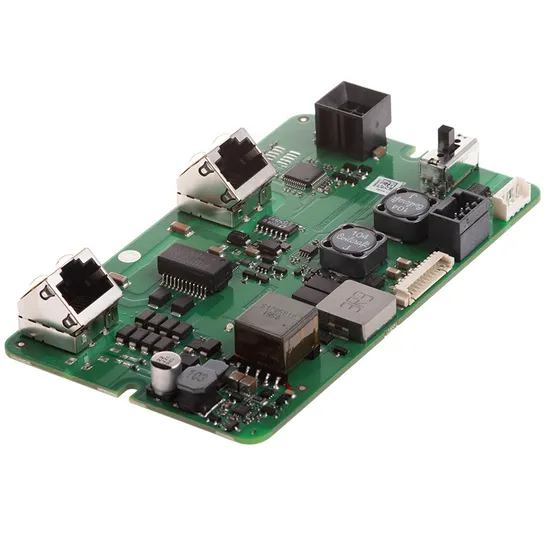
3.1 High Reliability for Continuous Operation
Industrial robots often operate:
- 24/7
- In harsh industrial environments
- Under vibration and thermal stress
Therefore, robotics PCBs must provide:
- Long operational lifespan
- Stable electrical performance
- Mechanical durability
3.2 Precision Motion Control Performance
Motion control systems require:
- Fast signal response
- Accurate motor feedback
- Stable PWM signal control
Poor PCB design can lead to:
- Signal delay
- Motor instability
- Positioning inaccuracies
3.3 High Power and Current Handling Capability
Robotics systems commonly include:
- Servo motors
- Stepper motors
- Power drivers
- Battery management systems
These applications require:
- Heavy copper PCB structures
- Stable power routing
- Efficient thermal dissipation
3.4 EMI and Noise Suppression
Robotics systems combine:
- High-current power electronics
- Sensitive sensor circuits
- Wireless communication modules
This creates serious EMI challenges.
Effective robotics PCB design must minimize:
- Electromagnetic interference
- Signal crosstalk
- Power supply noise
4. Robotics PCB Materials and Stack-Up Design
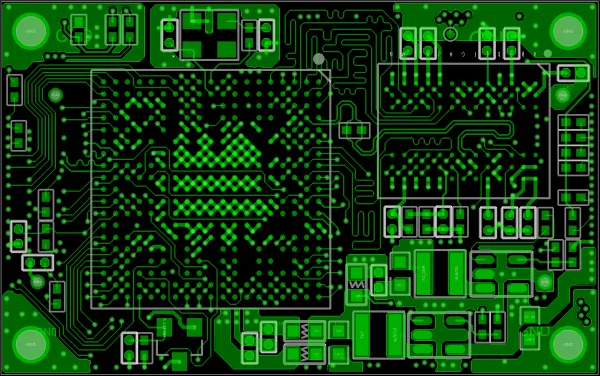
Material selection directly impacts:
- Reliability
- Thermal performance
- Signal integrity
Common robotics PCB materials include:
- High Tg FR4
- Heavy copper laminates
- Low-loss PCB materials for communication modules
- Metal core PCB structures for thermal control
Multilayer PCB stack-up design helps improve:
- Power integrity
- EMI suppression
- Signal routing efficiency
At KKPCB, stack-up engineering is optimized for:
- Motion control systems
- Industrial robot electronics
- High-current automation modules
5. Signal Integrity in Robotics PCB
Modern robots rely heavily on:
- High-speed communication
- Real-time sensor data
- AI processing systems
Signal integrity is essential for:
- Stable communication
- Accurate control response
- Reliable automation performance
Key design strategies include:
- Controlled impedance routing
- Differential pair optimization
- Ground plane isolation
- Proper return path design
6. Thermal Management in Robotics PCB
Robotics systems generate substantial heat from:
- Motor drivers
- Power MOSFETs
- AI processors
- Communication modules
Thermal management techniques include:
- Thermal via arrays
- Heavy copper planes
- Heat sink integration
- Metal core PCB structures
Efficient thermal design improves:
- System stability
- Power efficiency
- Long-term reliability
7. Power Electronics in Robotics PCB
Power management is critical for robotic systems.
Typical robotics power circuits include:
- DC-DC converters
- Battery charging circuits
- Motor drive systems
- High-current switching circuits
PCB design must ensure:
- Stable power distribution
- Reduced voltage drop
- Efficient current flow
Heavy copper PCB technology is commonly used to improve:
- Current carrying capability
- Thermal conductivity
- Mechanical durability
8. Sensor and Communication Integration
Modern robots integrate multiple communication interfaces:
- CAN Bus
- Ethernet
- Wi-Fi
- Bluetooth
- Industrial communication protocols
Sensor systems include:
- Vision sensors
- Proximity sensors
- Motion sensors
- LiDAR modules
Robotics PCBs must support:
- High-speed data transmission
- Noise-resistant communication
- Stable sensor integration
9. Manufacturing Challenges of Robotics PCB
Robotics PCB fabrication requires:
- Tight assembly precision
- Reliable solder joint quality
- Stable multilayer lamination
- Advanced testing and inspection
Key manufacturing considerations:
- Vibration resistance
- Connector durability
- Thermal cycling reliability
- High-current trace consistency
At KKPCB, advanced manufacturing processes ensure:
- High-reliability robotics PCB production
- Stable industrial performance
- Long-term operational consistency
10. Applications of Robotics PCB
Robotics PCBs are widely used in:
- Industrial robotic arms
- Collaborative robots (Cobots)
- Autonomous mobile robots (AMRs)
- Warehouse automation systems
- Medical robotics
- Agricultural robots
- AI-powered intelligent systems
These applications require:
- Precision control
- High-speed communication
- Reliable power electronics
- Continuous operation stability
11. Future Trends in Robotics PCB Technology
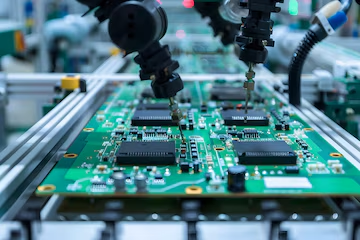
Future robotics PCB development focuses on:
- AI-integrated robotics systems
- Edge computing modules
- Advanced motor control electronics
- Miniaturized robotic controllers
- High-density multilayer PCB design
- Autonomous navigation systems
Emerging robotics systems will demand:
- Faster processing speed
- Higher integration density
- Improved thermal efficiency
- Greater reliability in harsh environments
12. Conclusion
Robotics PCB technology is the core foundation of modern:
- Industrial automation systems
- Intelligent robotics platforms
- Smart manufacturing infrastructure
High-performance robotics PCBs require expertise in:
- Motion control electronics
- Signal integrity optimization
- Thermal management
- High-current power design
- Industrial-grade manufacturing
With extensive experience in industrial automation electronics, KKPCB delivers advanced robotics PCB solutions for next-generation intelligent systems.
