
Power electronics are evolving rapidly as industries demand higher efficiency and greater power density. Silicon Carbide (SiC) semiconductors are becoming a key technology for modern power systems because they can operate at higher voltages, higher temperatures, and higher switching frequencies than traditional silicon devices.
However, these advantages also place greater demands on circuit board design. SiC PCBs are engineered to support the unique electrical and thermal requirements of silicon carbide power devices.
From electric vehicles to renewable energy systems, SiC-based power electronics rely on specialized PCB structures to ensure reliability and performance.
What Is a SiC PCB?
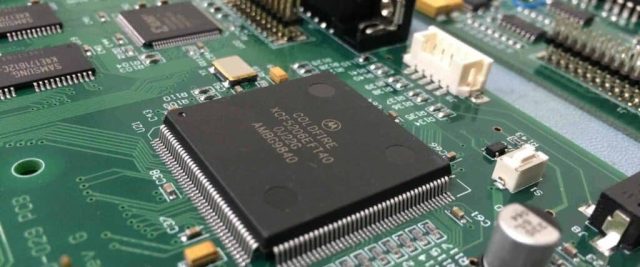
A SiC PCB is a printed circuit board designed specifically for power electronic systems that use silicon carbide (SiC) devices, such as MOSFETs and diodes.
Because SiC devices operate at high power levels and high switching speeds, the PCB must handle:
• high voltage insulation
• efficient thermal dissipation
• low parasitic inductance
• high current carrying capability
To meet these requirements, SiC PCBs often incorporate advanced materials and specialized layout techniques.
Key Design Requirements for SiC PCBs
Designing a PCB for silicon carbide power electronics requires careful consideration of several factors.
Thermal Management
SiC devices can operate at high temperatures, but excessive heat must still be efficiently dissipated. Thermal vias, metal-core PCBs, or insulated metal substrates are commonly used.
Low Parasitic Inductance
High switching speeds can cause voltage spikes if parasitic inductance is too high. PCB layouts must minimize loop area and optimize current paths.
High Voltage Isolation
Power systems using SiC devices often operate at hundreds or even thousands of volts, requiring proper spacing and insulation design.
High Current Capability
Thick copper layers and wide traces are frequently used to support large current loads.
Materials Used in SiC PCBs

Material selection is critical for both electrical performance and heat management.
Common PCB materials for SiC systems include:
High-Tg FR-4
Used in moderate power applications with improved thermal stability.
Metal Core PCB (MCPCB)
Provides excellent heat dissipation for power modules.
Ceramic substrates
Materials such as aluminum nitride or aluminum oxide offer superior thermal conductivity and electrical insulation.
These materials help ensure that SiC devices operate efficiently and reliably.
Applications of SiC PCBs

The adoption of silicon carbide technology is expanding rapidly across several industries.
Electric Vehicles (EV)
SiC power modules improve inverter efficiency and extend driving range.
Renewable Energy Systems
Solar inverters and wind power converters benefit from high-efficiency SiC switching.
Industrial Motor Drives
High-frequency switching improves motor control and energy efficiency.
High-Voltage Power Supplies
Advanced power electronics require reliable PCB platforms for SiC devices.
Why SiC PCB Technology Matters
Silicon carbide devices allow power electronics to operate faster, hotter, and more efficiently than traditional silicon solutions. However, to fully realize these advantages, the supporting PCB must be carefully engineered.
SiC PCB design focuses on thermal management, low inductance layout, and high-voltage reliability, enabling power systems to achieve higher performance and greater efficiency.
As industries continue to electrify transportation and expand renewable energy infrastructure, SiC PCB technology will play a crucial role in the future of power electronics.
