
In radio frequency (RF) electronics, accurate signal measurement is essential for validating circuit performance. Before RF modules are integrated into final products, engineers typically use RF test PCBs to evaluate signal behavior, component functionality, and system stability.
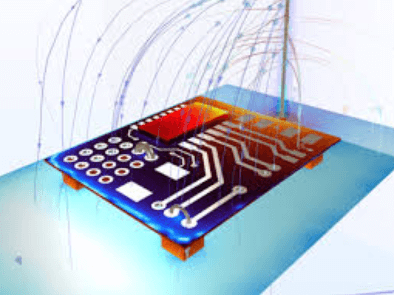
An RF test PCB is specifically designed to provide a controlled environment for testing high-frequency circuits. Proper design ensures that measurements reflect the true performance of the RF components rather than errors introduced by the PCB layout.
What Is an RF Test PCB?
An RF test PCB is a specialized circuit board used to test and evaluate RF components, circuits, or modules before final product integration. These boards allow engineers to measure parameters such as signal gain, frequency response, impedance matching, and noise levels.
RF test boards are commonly used during the development of:
-
RF amplifiers
-
Communication modules
-
Antenna circuits
-
Microwave components
Because RF signals are highly sensitive to layout and material characteristics, test boards must be carefully designed to avoid measurement errors.
Key Design Principles for RF Test PCBs
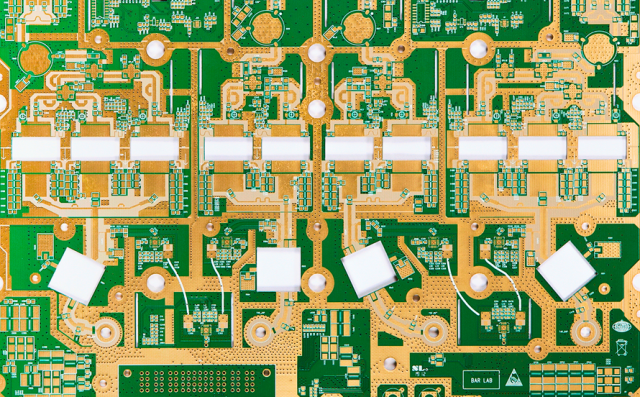
Designing an RF test PCB requires special attention to signal integrity and impedance control.
Controlled Impedance Traces
RF signals require precise impedance matching, typically 50 ohms. Trace width and spacing must be carefully calculated based on the PCB material and stackup.
Short Signal Paths
Shorter signal paths reduce signal loss and minimize unwanted parasitic effects.
Proper Grounding
A solid ground plane is essential for maintaining signal stability and reducing electromagnetic interference.
RF Connectors and Launch Structures
RF connectors such as SMA connectors must be integrated with properly designed launch transitions to maintain signal integrity between the connector and the PCB trace.
PCB Materials for RF Test Boards
Selecting the right PCB material is critical for accurate RF testing.
Common materials include:
High-Frequency Laminates
Low-loss materials are used to minimize signal attenuation at high frequencies.
PTFE-Based Materials
These substrates provide stable dielectric properties for microwave circuits.
Ceramic Substrates
In some high-performance RF applications, ceramic materials offer excellent thermal and electrical characteristics.
These materials help maintain signal accuracy during testing.
Typical Applications of RF Test PCBs
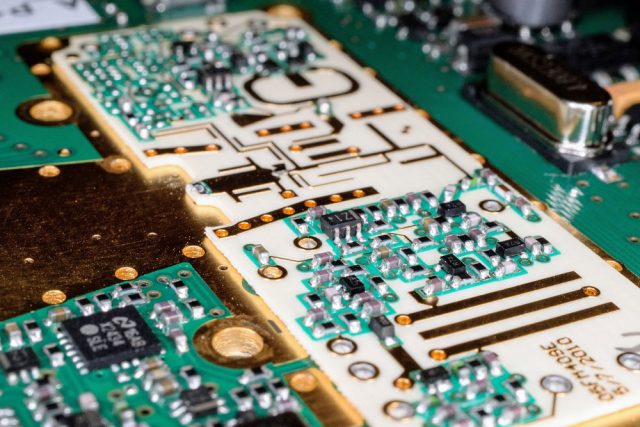
RF test boards are widely used during the development and verification stages of electronic products.
Wireless Communication Modules
RF test boards help evaluate signal transmission and reception performance.
Antenna Development
Engineers use test PCBs to measure antenna efficiency and impedance matching.
Radar and Microwave Systems
High-frequency radar circuits require specialized test platforms.
IoT Device Prototyping
Wireless IoT modules often require RF evaluation before mass production.
Common RF Test PCB Challenges
RF testing can be affected by several PCB-related factors.
Signal Loss
High-frequency signals can attenuate due to material loss or long trace lengths.
Connector Mismatch
Improper connector transitions can cause signal reflection.
Electromagnetic Interference
Poor grounding or layout can introduce unwanted noise.
Addressing these issues during PCB design ensures reliable and accurate testing results.
Best Practices for RF Test PCB Design
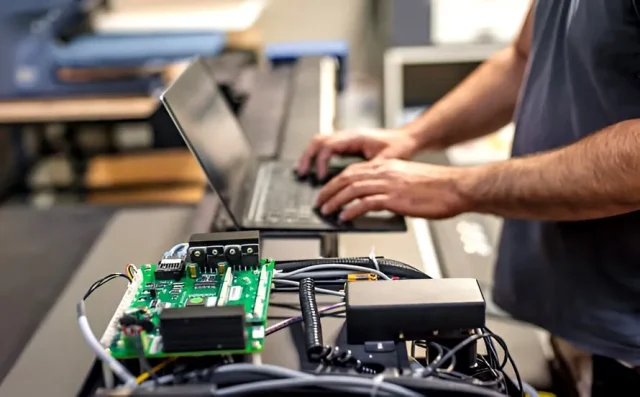
To achieve accurate RF measurements, engineers should follow several best practices:
-
Use controlled impedance routing
-
Maintain a continuous ground plane
-
Minimize signal trace length
-
Place RF connectors carefully
-
Select low-loss PCB materials
These strategies help maintain signal integrity throughout the testing process.
Conclusion
RF test PCBs play a crucial role in the development of high-frequency electronic systems. By providing a controlled environment for evaluating RF circuits, these boards allow engineers to accurately measure signal performance and optimize designs before final production.
Careful PCB design, proper material selection, and precise impedance control are essential for ensuring reliable RF testing results.
