
As wireless communication technologies continue to evolve, electronic circuits must operate at increasingly higher frequencies. Traditional PCB materials such as standard FR4 often struggle to maintain signal integrity in high-frequency environments. This is why Rogers PCB materials have become a preferred choice for RF and microwave applications.
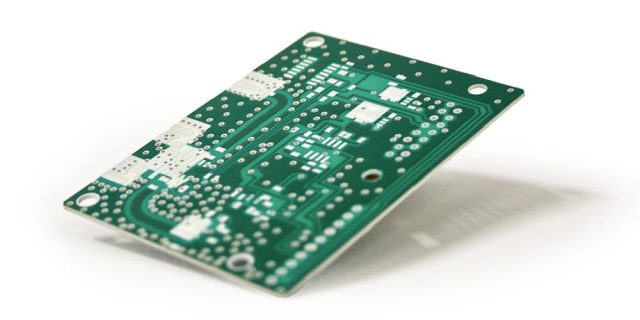
Rogers laminates are engineered to provide stable electrical performance, low signal loss, and reliable thermal characteristics, making them ideal for advanced communication systems and high-frequency electronic devices.
What Is a Rogers PCB?
A Rogers PCB refers to a printed circuit board manufactured using specialized laminates produced by the company Rogers Corporation. These materials are designed specifically for high-frequency and high-speed electronic applications.
Compared with conventional PCB substrates, Rogers materials offer improved dielectric stability and lower signal loss, which are essential for circuits operating in RF and microwave frequency ranges.
Common Rogers laminate series include materials such as:
-
RO4000 series
-
RO3000 series
-
RT/duroid series
Each material series provides specific electrical and thermal characteristics suited for different high-frequency applications.
Key Properties of Rogers PCB Materials
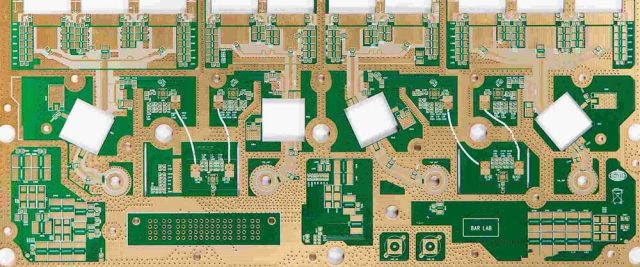
Rogers laminates are widely used because of their unique electrical and physical properties.
Low Dielectric Loss
Rogers materials exhibit very low dissipation factors, which significantly reduces signal loss in high-frequency circuits.
Stable Dielectric Constant
A stable dielectric constant ensures predictable signal transmission and helps maintain consistent impedance control.
Excellent Thermal Performance
Many Rogers materials provide better thermal conductivity compared with traditional FR4, improving heat dissipation in RF circuits.
High Frequency Stability
Rogers laminates maintain consistent electrical properties across a wide range of frequencies and temperatures.
Rogers PCB vs Standard FR4 PCB
When designing high-frequency circuits, engineers often compare Rogers materials with standard FR4 substrates.
-
Lower cost
-
Suitable for general electronics
-
Higher signal loss at high frequencies
-
Designed for RF and microwave applications
-
Lower signal attenuation
-
More stable electrical properties
For circuits operating at high frequencies, Rogers materials offer clear performance advantages.
Typical Applications of Rogers PCBs
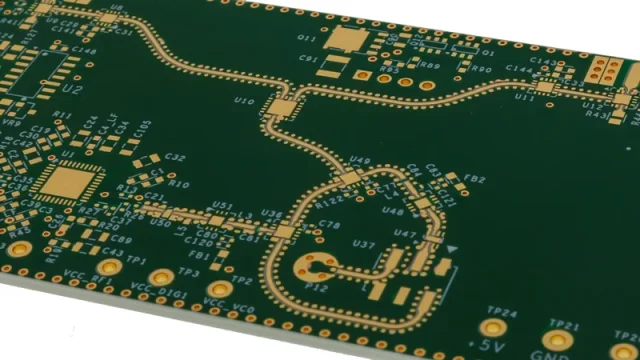
Rogers PCBs are widely used in industries that require stable performance at high frequencies.
RF Communication Equipment
Wireless communication modules, RF amplifiers, and antenna systems rely on Rogers materials for consistent signal performance.
5G Infrastructure
Base station equipment and high-frequency signal processing systems require low-loss PCB materials.
Satellite and Aerospace Electronics
Space and aerospace systems demand high reliability and stable performance under extreme conditions.
Radar Systems
Radar equipment often operates at microwave frequencies where Rogers materials perform better than standard PCB substrates.
Design Considerations for Rogers PCBs
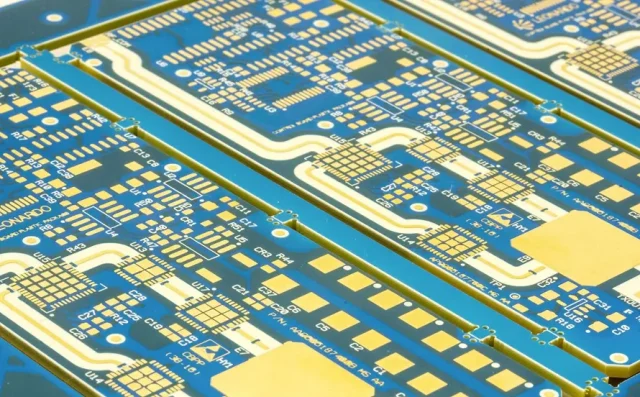
Designing a PCB using Rogers materials requires specific engineering considerations.
Controlled Impedance Design
Trace dimensions and layer stackup must be carefully calculated to maintain the required impedance.
Hybrid Stackups
Some designs combine Rogers materials with FR4 layers to balance performance and cost.
Thermal Expansion Management
Engineers must account for differences in thermal expansion when combining different materials.
Precision Manufacturing
High-frequency PCBs require accurate fabrication processes to maintain signal performance.
Choosing a Rogers PCB Manufacturer
Because Rogers materials require specialized processing techniques, it is important to work with an experienced PCB manufacturer.
Key capabilities to consider include:
-
Experience with Rogers laminate processing
-
Controlled impedance fabrication
-
Hybrid multilayer PCB manufacturing
A reliable manufacturer can ensure the electrical performance and reliability required for RF and microwave circuits.
Conclusion
Rogers PCB materials play a crucial role in modern high-frequency electronics. Their low signal loss, stable dielectric properties, and strong thermal performance make them ideal for RF communication systems, radar equipment, and advanced wireless technologies.
As communication technologies continue to evolve toward higher frequencies, Rogers PCBs will remain an essential solution for engineers designing high-performance electronic systems.
