
In many modern electronic systems, circuit boards must carry significantly higher currents than standard PCB designs. Applications such as power supplies, motor controllers, battery management systems, and industrial equipment require high current PCBs capable of safely handling large electrical loads.
Designing a PCB for high current applications involves more than simply increasing the trace width. Engineers must carefully consider copper thickness, thermal management, and layout strategies to ensure both performance and reliability.
What Is a High Current PCB?
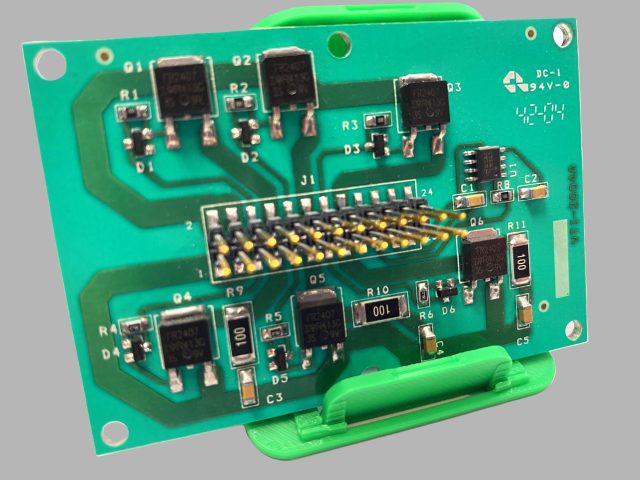
A high current PCB is a circuit board specifically designed to handle large electrical currents without overheating or causing voltage drops. These boards are commonly used in power electronics and industrial systems where electrical loads can reach tens or even hundreds of amperes.
Compared with standard PCBs, high current boards typically include:
-
Thicker copper layers
-
Wider conductive traces
-
Enhanced thermal management
-
Reinforced solder joints and pads
These features help ensure safe and stable operation under high electrical loads.
Key Design Strategies for High Current PCBs
To effectively handle large currents, PCB designers use several important techniques.
Increasing Trace Width
One of the most common approaches is increasing the width of copper traces. Wider traces reduce electrical resistance and allow more current to flow without excessive heat generation.
Using Heavy Copper Layers
Heavy copper PCBs use copper thicknesses greater than the standard 1 oz per square foot. Typical heavy copper boards may use 2 oz, 3 oz, or even higher copper weights.
Thicker copper improves both current capacity and heat dissipation.
Parallel Copper Paths
Designers sometimes create multiple parallel traces or copper pours to distribute current across a larger area, reducing thermal stress.
Reinforced Power Planes
Large copper planes are often used for power distribution, helping to spread current and minimize voltage drops.
Thermal Management in High Current PCBs
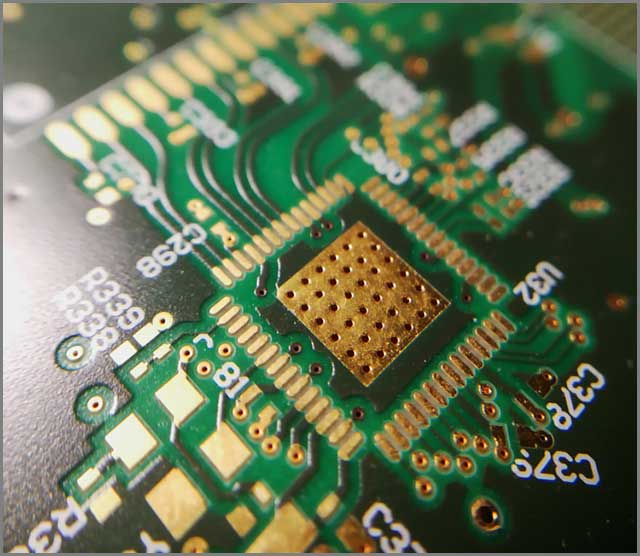
Heat generation is one of the biggest challenges in high current PCB design. When current flows through copper traces, electrical resistance converts energy into heat.
To manage this heat effectively, designers may use:
-
Thermal vias to transfer heat to other layers
-
Heat sinks connected to power components
-
Large copper areas for heat spreading
-
Metal-core substrates for improved thermal conductivity
Proper thermal design ensures that the PCB operates safely even under heavy electrical loads.
Materials Used for High Current PCBs
Selecting the right PCB materials is critical for supporting high current applications.
Heavy Copper Laminates
These materials support thicker copper layers that increase current capacity.
High TG FR4 Materials
High glass transition temperature materials provide better thermal stability.
Metal Core PCBs
Aluminum or copper core substrates improve heat dissipation in power electronics.
Applications of High Current PCBs
High current PCBs are used in a wide range of industries that require efficient power handling.
Power Supply Systems
Switching power supplies and voltage converters rely on high current boards.
Electric Vehicles
Battery management systems and power control modules require high current capability.
Industrial Automation
Motor drivers and industrial control systems often operate under high electrical loads.
Renewable Energy Systems
Solar inverters and energy storage systems use high current PCBs for power distribution.
Design Challenges in High Current PCB Development
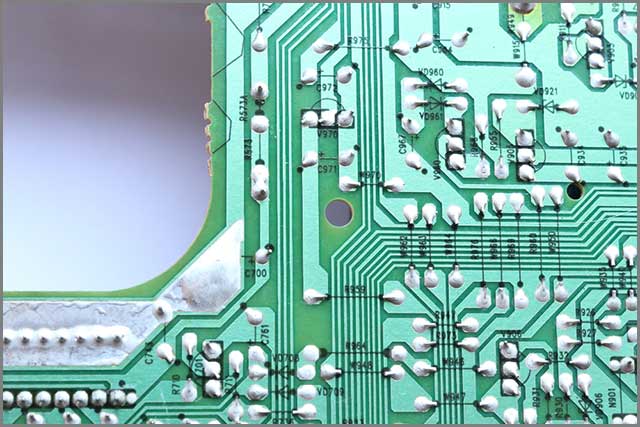
Designing PCBs for high current applications presents several engineering challenges.
Voltage Drop Management
Long copper traces can cause unwanted voltage drops.
Thermal Expansion
Large temperature variations can stress solder joints and copper layers.
Mechanical Strength
Thicker copper and larger traces must be integrated without compromising board reliability.
Proper design planning and manufacturing expertise are essential to overcoming these challenges.
Conclusion
High current PCBs play a vital role in modern power electronics, enabling reliable operation in systems that require large electrical currents. Through optimized trace design, heavy copper layers, and effective thermal management strategies, engineers can create circuit boards capable of handling demanding electrical loads.
As industries continue to adopt electric vehicles, renewable energy systems, and advanced industrial equipment, the demand for high current PCB technology will continue to grow.
