
As electronic devices become more powerful and compact, heat generation inside circuit boards has become a major engineering challenge. Excessive heat can reduce performance, shorten component lifespan, and even lead to system failure. For this reason, thermal management PCB design has become an essential part of modern electronics development.
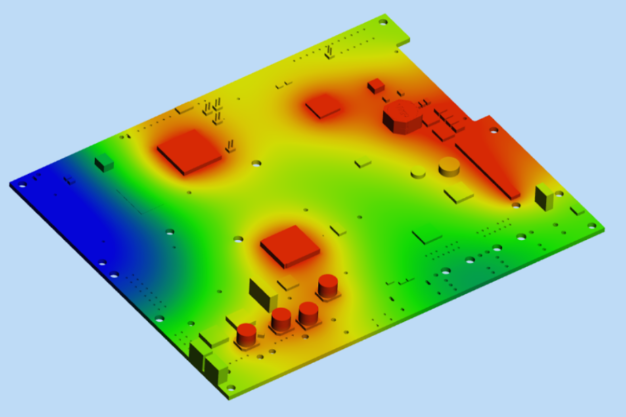
From power electronics and LED lighting systems to telecommunications equipment and industrial automation devices, effective thermal management ensures reliable and stable operation.
Why Thermal Management Is Critical in PCB Design
Electronic components generate heat during operation, especially in high-power circuits such as power converters, RF modules, and processors. If heat cannot be dissipated efficiently, several issues may occur:
-
Reduced component performance
-
Signal instability in high-speed circuits
-
Shortened product lifespan
-
Increased risk of device failure
Thermal management PCBs are specifically designed to control, distribute, and dissipate heat within the circuit board structure.
Key Thermal Management Techniques in PCBs
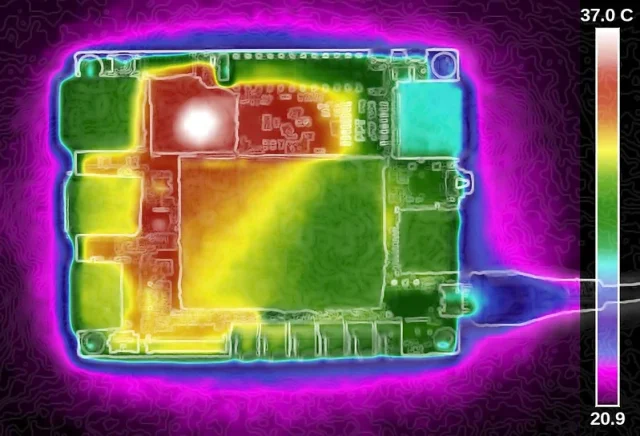
Several engineering techniques are commonly used to improve heat dissipation in PCBs.
Thermal Vias
Thermal vias are plated holes that transfer heat from the top layer to internal copper planes or heat sinks. They are widely used under high-power components such as processors and voltage regulators.
Copper Thickness Optimization
Increasing copper thickness can significantly improve thermal conductivity. Thicker copper layers help spread heat across the board and reduce localized hot spots.
Heat Spreading Planes
Large copper planes act as heat spreaders, distributing heat more evenly throughout the PCB.
Heat Sink Integration
Some PCB designs include direct mounting of heat sinks to remove heat from critical components.
PCB Materials for Thermal Management
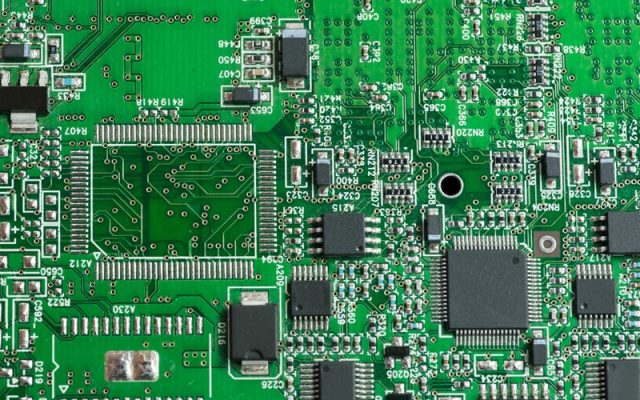
Selecting the right PCB material is essential for efficient heat dissipation.
Common thermal management materials include:
Aluminum Core PCB
Aluminum substrates offer excellent thermal conductivity and are widely used in LED lighting and power electronics.
Copper Core PCB
Copper core boards provide even higher thermal conductivity for demanding applications.
Ceramic Substrates
Materials such as aluminum nitride or alumina offer high thermal performance and electrical insulation.
These materials allow designers to control heat flow and maintain stable operating temperatures.
Applications of Thermal Management PCBs
Thermal management PCBs are widely used in industries where heat generation is a critical concern.
Power Electronics
Power supplies, inverters, and motor controllers require efficient heat dissipation.
LED Lighting Systems
High-brightness LEDs generate significant heat that must be removed to maintain light output and lifespan.
Telecommunication Equipment
RF amplifiers and high-frequency modules produce heat that can affect signal stability.
Automotive Electronics
Electric vehicles and advanced driver assistance systems rely on thermal management to ensure reliability.
Design Considerations for Thermal Management PCBs
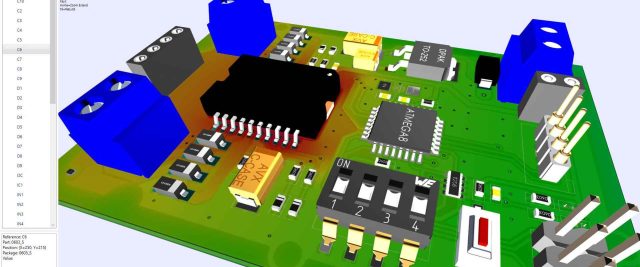
Effective thermal management begins at the PCB design stage. Engineers must consider several important factors.
Component Placement
Heat-generating components should be positioned to allow efficient heat flow.
Thermal Path Optimization
Heat should have a direct path from the component to copper planes, vias, or heat sinks.
Board Thickness and Copper Weight
Proper material selection improves heat spreading and thermal performance.
Airflow and System-Level Cooling
Thermal design should also consider enclosure airflow and cooling mechanisms.
Conclusion
Thermal management PCB design plays a vital role in ensuring the performance and reliability of modern electronic systems. By combining advanced materials, optimized layout strategies, and effective cooling techniques, engineers can successfully manage heat in high-power applications.
As electronic devices continue to increase in power density, thermal management will remain a key factor in PCB design and manufacturing.
