
As electronic products continue to become smaller, lighter, and more complex, traditional rigid PCBs often reach their physical and functional limits. Multilayer rigid-flex PCBs combine rigid board stability with flexible circuit adaptability, enabling highly integrated and reliable designs. Working with a professional multilayer rigid-flex PCB manufacturer is essential to achieving consistent quality and long-term reliability.
What Is a Multilayer Rigid-Flex PCB?
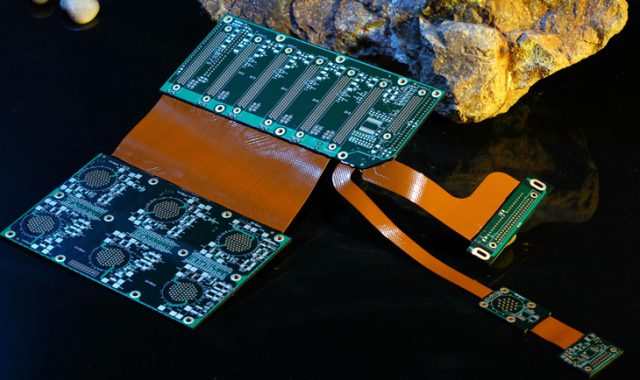
A multilayer rigid-flex PCB integrates multiple rigid PCB layers with one or more flexible circuit layers into a single interconnected structure. Unlike simple flex or rigid boards, rigid-flex PCBs eliminate connectors and cables, improving signal integrity and mechanical reliability.
This architecture is ideal for compact and dynamic electronic assemblies.
Structural Advantages of Multilayer Rigid-Flex PCBs
A qualified multilayer rigid-flex PCB manufacturer enables designs that offer:
-
Reduced assembly size and weight
-
Improved electrical reliability by eliminating connectors
-
Enhanced signal integrity for high-speed and high-frequency signals
-
Better mechanical durability in dynamic environments
These advantages make rigid-flex PCBs a preferred solution for advanced electronic systems.
Manufacturing Challenges in Multilayer Rigid-Flex PCBs
Producing multilayer rigid-flex PCBs requires advanced process control. A professional multilayer rigid-flex PCB manufacturer must manage:
-
Precise layer alignment between rigid and flex sections
-
Controlled lamination cycles for mixed materials
-
Reliable via interconnection between rigid and flexible layers
-
Stress management to prevent flex cracking or delamination
These challenges demand specialized equipment and experienced engineering teams.
Materials Used by Multilayer Rigid-Flex PCB Manufacturers
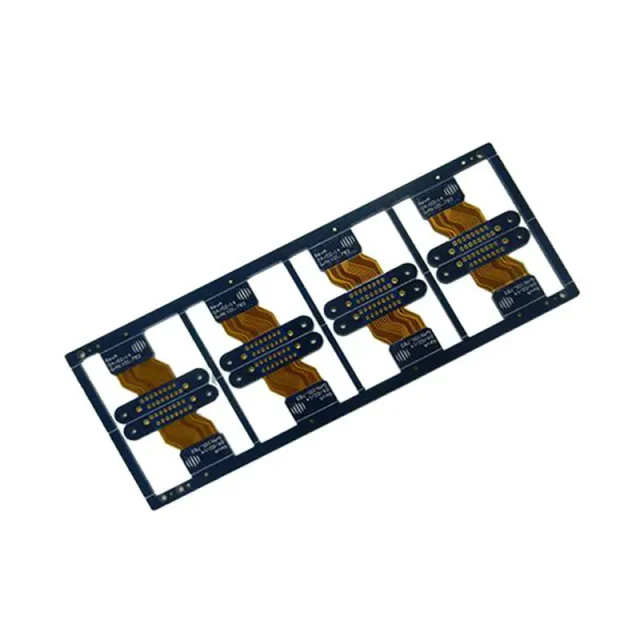
Material selection is critical. Experienced manufacturers work with:
-
Polyimide-based flexible laminates
-
High-TG FR-4 for rigid sections
-
Adhesiveless flex materials for improved reliability
-
Coverlays and stiffeners tailored to application needs
Proper material matching ensures electrical stability and mechanical endurance.
Electrical Performance and Signal Integrity
A professional multilayer rigid-flex PCB manufacturer also considers:
-
Controlled impedance routing across rigid and flex transitions
-
Stable grounding and shielding structures
-
Low-loss materials for high-speed or RF signals
This ensures consistent performance even in complex 3D assemblies.
Applications of Multilayer Rigid-Flex PCBs
Multilayer rigid-flex PCBs are widely used in:
-
Medical devices and wearable electronics
-
Aerospace and defense systems
-
Automotive electronics and sensors
-
Industrial automation equipment
-
High-density consumer electronics
These applications demand high reliability and compact design.
Choosing the Right Multilayer Rigid-Flex PCB Manufacturer
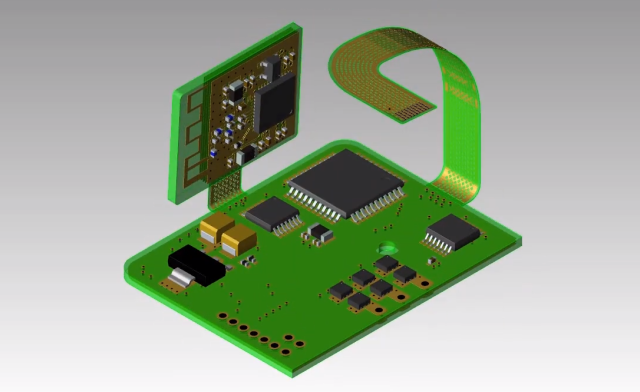
When selecting a multilayer rigid-flex PCB manufacturer, consider:
-
Proven experience with complex rigid-flex designs
-
In-house engineering and DFM support
-
Quality control and reliability testing capabilities
-
Ability to scale from prototype to mass production
The right partner ensures both design success and manufacturing stability.
Conclusion
A professional multilayer rigid-flex PCB manufacturer enables advanced electronic designs that require compact form factors, mechanical flexibility, and electrical reliability. By mastering material integration, process control, and signal integrity management, rigid-flex PCB manufacturers support innovation across high-end electronics markets.
Choosing an experienced multilayer rigid-flex PCB manufacturer ensures consistent quality, reduced assembly complexity, and long-term product reliability.
