
Radar modules operating at high and millimeter-wave frequencies require extreme signal integrity, minimal loss, and stable dielectric performance. Selecting the right PCB material is critical to radar accuracy and system reliability. Duroid 5880 PCB for radar module applications is widely recognized as one of the best ultra-low loss PCB solutions for high-frequency and mmWave radar systems.
With proven performance in automotive, industrial, and aerospace radar, Duroid 5880 enables precise signal transmission and consistent radar detection.
What Is Duroid 5880 PCB?
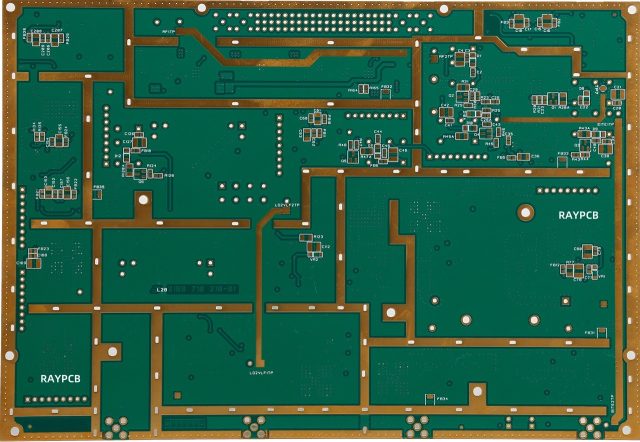
Duroid 5880 PCB is manufactured using Rogers RT/duroid® 5880 laminate, a PTFE-based composite reinforced with glass microfibers. It is specifically designed for microwave and millimeter-wave circuits.
Key electrical and physical properties include:
-
Dielectric constant (Dk) ≈ 2.2
-
Extremely low dissipation factor (Df ≈ 0.0009 @ 10 GHz)
-
Excellent phase stability across temperature ranges
-
Very low moisture absorption
These properties make Duroid 5880 PCB for radar module designs ideal for ultra-high-frequency operation.
Why Choose Duroid 5880 PCB for Radar Modules?
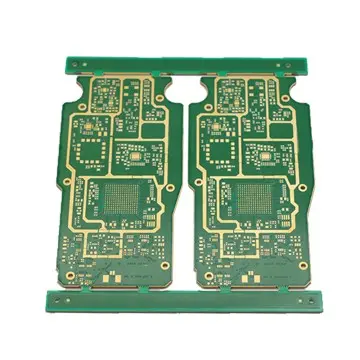
Ultra-Low Signal Loss
Radar modules operating at 24GHz, 77GHz, and 79GHz benefit from Duroid 5880’s extremely low dielectric loss, improving detection range and resolution.
Stable Dielectric Constant
A stable Dk ensures accurate impedance control and predictable RF behavior, which is critical for radar antenna and RF front-end circuits.
Excellent mmWave Performance
Duroid 5880 PCB performs reliably in mmWave radar applications, supporting clean signal transmission with minimal phase distortion.
Proven Reliability for Critical Systems
Duroid 5880 has long been used in aerospace and defense radar systems, demonstrating long-term stability and reliability.
Controlled Impedance for Duroid 5880 Radar PCBs
Manufacturing Duroid 5880 PCB for radar module requires strict impedance control, including:
-
RF stackup simulation and impedance calculation
-
Tight control of dielectric thickness and copper geometry
-
Controlled impedance fabrication (±5% or tighter)
-
TDR impedance measurement and verification
Accurate impedance control minimizes reflection and signal loss in radar systems.
Duroid 5880 PCB Stackup Options for Radar Modules
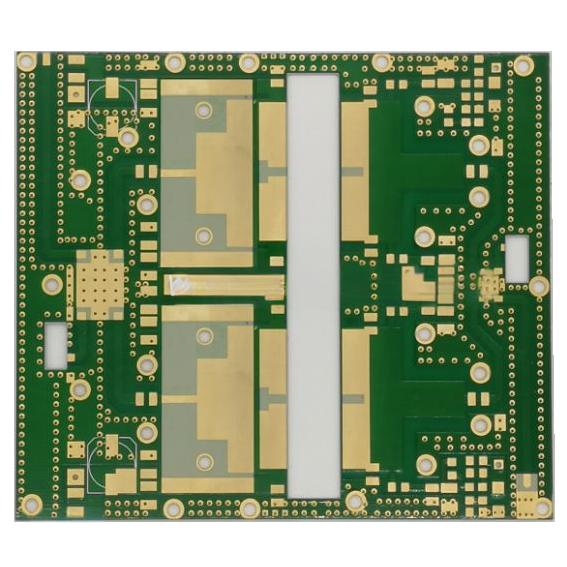
Common Duroid 5880 PCB stackups include:
-
Single-layer and double-layer radar antenna boards
-
Multilayer radar PCBs with integrated RF and ground layers
-
Hybrid stackups combining Duroid 5880 with Rogers or FR-4 materials
Hybrid designs are often used to balance performance, cost, and mechanical strength.
Manufacturing Challenges and Process Control
Producing high-quality Duroid 5880 PCB for radar modules requires advanced RF manufacturing expertise:
-
Specialized drilling and via plating for PTFE materials
-
Copper surface roughness control to reduce conductor loss
-
Fine-line etching for mmWave RF traces
-
Stable lamination and registration for multilayer boards
Experienced manufacturers ensure consistent yield and electrical performance.
Applications of Duroid 5880 PCB for Radar Modules
Duroid 5880 PCB for radar module applications include:
-
Automotive radar systems (ACC, AEB, BSD)
-
Industrial sensing and imaging radar
-
Aerospace and defense radar modules
-
High-frequency RF and mmWave front-end systems
All these applications demand ultra-low loss and high reliability.
Choosing a Manufacturer for Duroid 5880 PCB for Radar Module
When selecting a supplier for Duroid 5880 PCB for radar module, consider:
-
Experience with PTFE and Duroid materials
-
mmWave and radar PCB manufacturing capability
-
Controlled impedance fabrication and testing
-
Prototype-to-mass-production scalability
A qualified manufacturer ensures stable radar performance and consistent production quality.
Conclusion
Duroid 5880 PCB for radar module applications provides ultra-low dielectric loss, excellent mmWave performance, and stable impedance control for high-frequency radar systems. With proper stackup design and RF-focused manufacturing processes, Duroid 5880 PCBs enable accurate, reliable, and high-performance radar modules.
Partnering with an experienced radar PCB manufacturer ensures your Duroid 5880 radar designs meet the highest standards of performance, reliability, and production scalability.
