
As electronic devices continue to evolve toward higher performance and smaller form factors, traditional two-layer circuit boards are no longer sufficient for many modern applications. This is where multilayer PCBs play a crucial role. By integrating multiple conductive layers into a single compact structure, multilayer PCBs enable engineers to design complex circuits while maintaining signal performance and reliability.
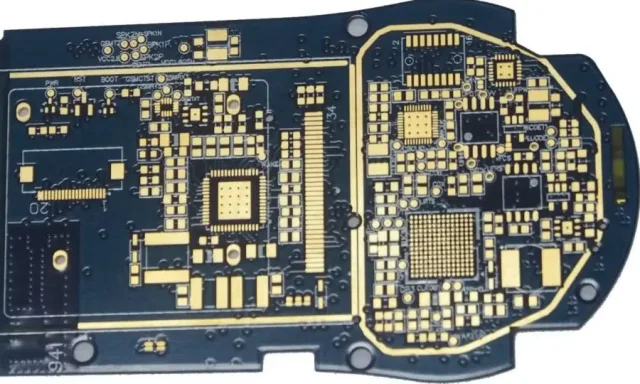
From communication systems and industrial automation to IoT devices and advanced computing hardware, multilayer PCBs have become the backbone of modern electronic systems.
The Growing Demand for Multilayer PCB Technology
With the rapid development of technologies such as 5G communication, artificial intelligence hardware, and smart devices, electronic circuits must handle higher signal speeds and greater component density. A multilayer PCB allows designers to organize complex routing paths across multiple layers, reducing congestion on a single surface.
Instead of forcing all traces onto one or two layers, designers can distribute signals across several layers while dedicating internal planes to power and grounding. This approach significantly improves signal quality and electrical stability.
How Multilayer PCB Architecture Improves Circuit Performance
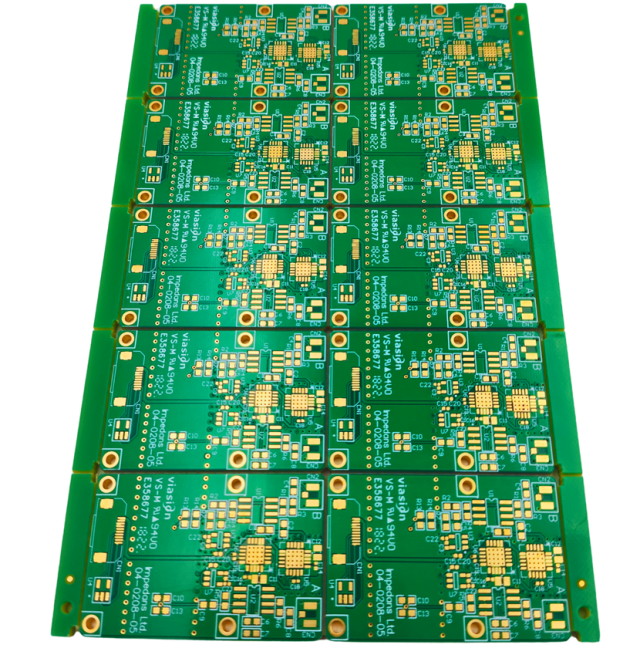
A well-designed multilayer PCB structure helps optimize electrical performance in several ways.
Dedicated Ground and Power Planes
Internal ground and power planes provide stable reference layers for signals. This structure reduces electrical noise and minimizes electromagnetic interference.
Controlled Impedance Routing
For high-speed signals, maintaining consistent impedance is essential. Multilayer boards allow engineers to control trace geometry and dielectric spacing to achieve accurate impedance matching.
Reduced Signal Crosstalk
Separating signal layers with ground planes helps isolate high-frequency signals and reduce interference between traces.
Typical Multilayer PCB Layer Configurations
Multilayer PCBs are available in a variety of layer counts depending on circuit complexity.
Common configurations include:
-
4-layer PCB – suitable for moderate complexity designs
-
6-layer PCB – often used in communication modules and industrial electronics
-
8-layer PCB – common in networking equipment and embedded systems
-
10+ layer PCB – used in high-speed computing, aerospace, and advanced telecommunications
The layer stackup is carefully designed to balance signal integrity, power distribution, and manufacturability.
Challenges in Multilayer PCB Design
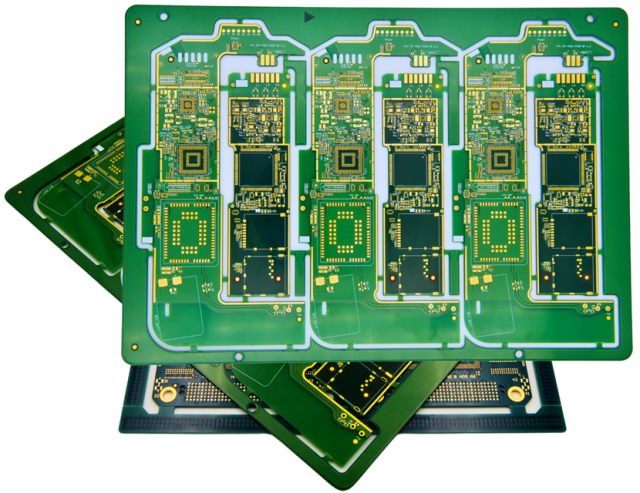
Although multilayer PCBs offer many advantages, designing them requires careful engineering considerations.
Layer Stackup Planning
Improper stackup design can cause signal distortion or electromagnetic interference. Engineers must carefully plan signal layers, ground planes, and power planes.
Thermal Management
High-density circuits generate heat. Multilayer PCBs often incorporate thermal vias and copper planes to improve heat dissipation.
Manufacturing Complexity
As layer counts increase, the lamination and drilling processes become more complex. Precision alignment and quality control are critical to ensuring board reliability.
Industries That Rely on Multilayer PCBs
Multilayer PCBs are widely used across many high-tech industries.
Telecommunications
Routers, base stations, and RF communication modules require multilayer structures for high-speed data transmission.
Internet of Things (IoT)
Smart sensors, wireless devices, and industrial monitoring systems rely on compact multilayer circuit boards.
Automotive Electronics
Advanced driver assistance systems, radar modules, and electric vehicle controllers use multilayer PCBs to manage complex electronics.
Medical Devices
Medical imaging equipment and diagnostic systems require high reliability and precise signal performance.
Choosing the Right Multilayer PCB Manufacturer
Because multilayer PCBs require advanced fabrication technology, selecting an experienced manufacturer is critical. Key factors to consider include:
-
Capability for high layer counts
-
Advanced lamination and drilling equipment
-
Expertise in controlled impedance PCB fabrication
-
Reliable quality inspection and electrical testing
A skilled PCB manufacturer can help optimize both the design and manufacturing stages, ensuring consistent performance and long-term reliability.
Conclusion
Multilayer PCB technology has become a cornerstone of modern electronics. By enabling compact designs, improving signal integrity, and supporting high-speed circuits, multilayer boards allow engineers to develop increasingly sophisticated electronic products.
As electronic systems continue to grow in complexity, the role of multilayer PCBs will only become more important in shaping the next generation of innovative technologies.
