
In high-frequency electronic systems, signal stability and low transmission loss are critical. Standard PCB materials often struggle to maintain consistent performance when operating at microwave frequencies. PTFE PCB materials have become a preferred choice for engineers designing RF and high-speed circuits due to their exceptional electrical properties.
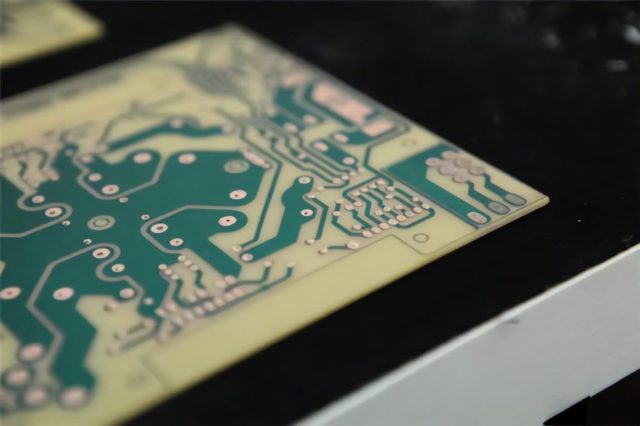
PTFE-based laminates offer low dielectric loss, stable electrical characteristics, and strong environmental resistance, making them suitable for demanding communication and aerospace applications.
What Is a PTFE PCB?
A PTFE PCB is a printed circuit board manufactured using polytetrafluoroethylene (PTFE) as the primary dielectric material. PTFE is a high-performance polymer known for its excellent electrical insulation and low signal loss.
Because of these characteristics, PTFE is widely used in high-frequency circuit boards designed for RF and microwave systems.
Some PTFE-based PCB laminates are produced by companies such as Rogers Corporation and other advanced material manufacturers that specialize in high-frequency substrates.
Key Electrical Properties of PTFE PCB Materials
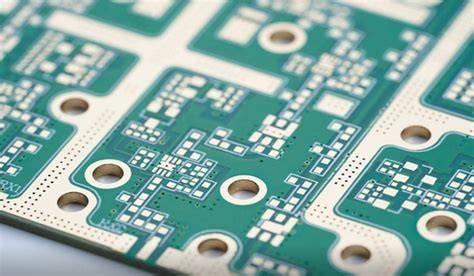
PTFE materials provide several advantages that make them ideal for high-frequency electronics.
Extremely Low Dielectric Loss
PTFE has one of the lowest loss tangents among PCB materials. This reduces signal attenuation and ensures efficient signal transmission in RF circuits.
Stable Dielectric Constant
PTFE materials maintain consistent dielectric properties across wide frequency ranges, allowing accurate impedance control.
Excellent Temperature Stability
PTFE substrates remain stable across large temperature variations, which helps maintain circuit performance in demanding environments.
Strong Chemical Resistance
PTFE materials resist moisture absorption and chemical exposure, improving long-term reliability.
PTFE PCB vs Standard FR4 PCB
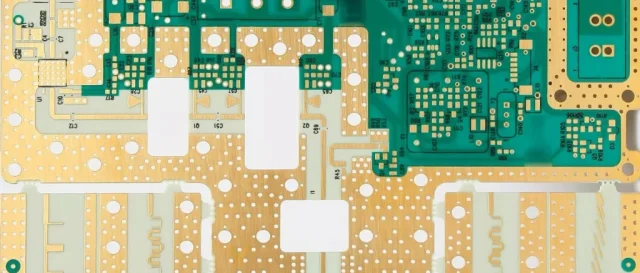
When comparing PTFE with standard FR4 materials, the differences become clear in high-frequency applications.
-
Lower manufacturing cost
-
Suitable for general electronics
-
Higher dielectric loss at high frequencies
-
Extremely low signal loss
-
Ideal for RF and microwave circuits
-
More stable electrical properties at high frequencies
For applications involving microwave frequencies or high-speed signals, PTFE materials provide superior performance.
Manufacturing Challenges of PTFE PCBs
Although PTFE offers excellent electrical performance, it can be more difficult to process during PCB manufacturing.
Material Softness
PTFE is softer than traditional laminate materials, which can make drilling and handling more challenging.
Surface Adhesion
Copper adhesion to PTFE substrates requires special surface treatments to ensure reliable bonding.
Thermal Expansion
PTFE materials may have different thermal expansion characteristics compared with standard PCB laminates, requiring careful design planning.
Because of these challenges, PTFE PCB production typically requires specialized manufacturing experience.
Applications of PTFE PCBs
PTFE PCBs are commonly used in industries that require stable performance at high frequencies.
RF Communication Systems
Wireless communication modules and antenna circuits rely on low-loss materials.
Radar Equipment
Radar systems operate at microwave frequencies where PTFE materials perform well.
Satellite Communication
Satellite electronics require highly reliable RF circuit boards.
Aerospace Electronics
High-frequency aerospace systems benefit from PTFE’s stable electrical performance.
Design Considerations for PTFE PCBs
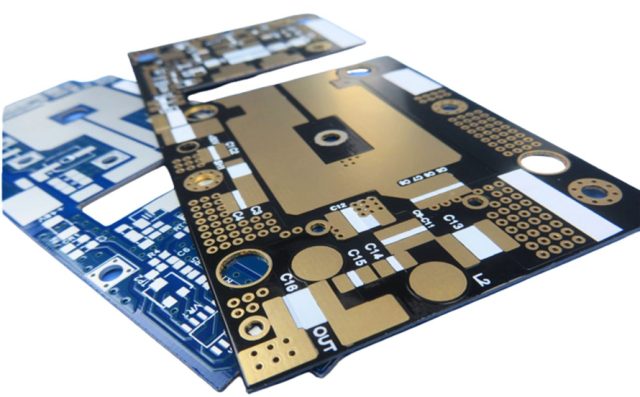
Engineers designing PTFE PCBs must consider several factors to achieve optimal performance.
Controlled Impedance Routing
Precise trace geometry is necessary to maintain consistent impedance.
Layer Stackup Optimization
Proper stackup design helps reduce signal reflection and improve signal integrity.
Thermal Management
Although PTFE materials have good electrical properties, thermal design must still be considered for high-power RF circuits.
Manufacturing Compatibility
Designs should align with the capabilities of the chosen PCB manufacturer.
Conclusion
PTFE PCB technology provides exceptional electrical performance for RF and microwave circuit applications. With extremely low signal loss and stable dielectric properties, PTFE materials enable reliable operation in high-frequency electronic systems.
Although PTFE PCB manufacturing can be more complex than standard PCB production, the performance advantages make it an essential material for advanced communication, radar, and aerospace technologies.
