
What Is PCB Turnkey Service?
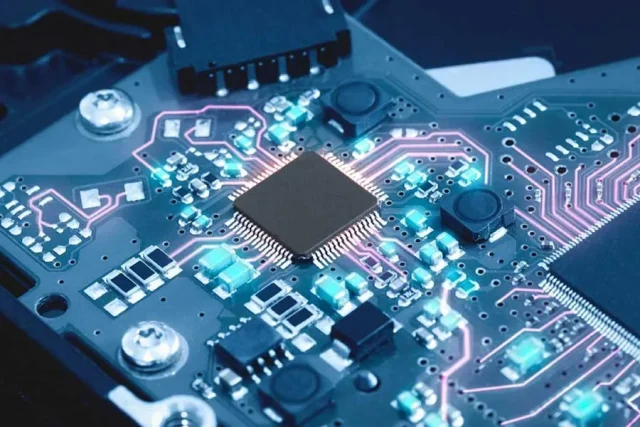
PCB Turnkey Service refers to a complete end-to-end solution where a single supplier manages the entire PCB production process. This includes PCB fabrication, electronic component sourcing, PCB assembly (PCBA), testing, and final delivery.
Instead of coordinating multiple vendors for fabrication, components, and assembly, customers can rely on a turnkey provider to handle the entire workflow. This approach simplifies project management, shortens production cycles, and reduces the risk of miscommunication between different suppliers.
PCB turnkey services are widely used by companies developing prototypes, small-batch production, and full-scale electronics manufacturing.
Key Processes in PCB Turnkey Manufacturing
A typical PCB turnkey project covers several stages to ensure smooth production and reliable product quality.
PCB Fabrication
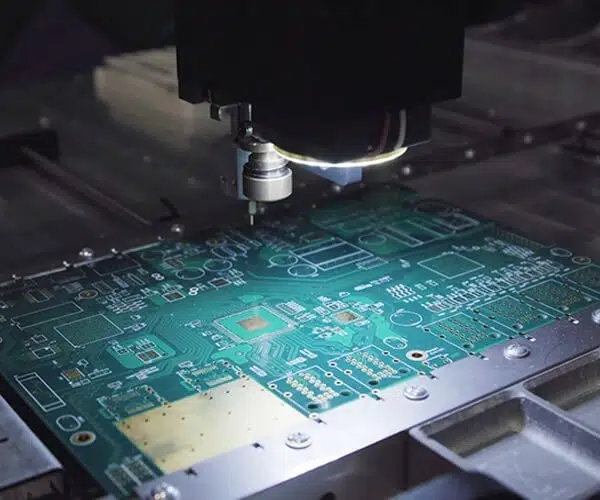
The first step is manufacturing the bare printed circuit board according to the design files. This process includes:
-
Material selection
-
Layer lamination
-
Copper pattern etching
-
Drilling and via formation
-
Surface finishing
High-quality fabrication ensures the PCB meets electrical, thermal, and mechanical performance requirements.
Component Sourcing
Turnkey service providers also manage electronic component procurement. They work with reliable suppliers to ensure genuine parts, proper packaging, and accurate delivery schedules.
This process may involve:
-
BOM verification
-
Alternative component selection if necessary
-
Supply chain coordination
-
Component quality inspection
PCB Assembly
Once the PCB and components are ready, the board moves to the assembly stage. Modern assembly lines use automated equipment such as SMT placement machines and reflow ovens to ensure precise component installation.
Assembly processes may include:
-
Surface Mount Technology (SMT)
-
Through-hole assembly
-
BGA and fine-pitch component placement
-
Reflow and wave soldering
Testing and Quality Control
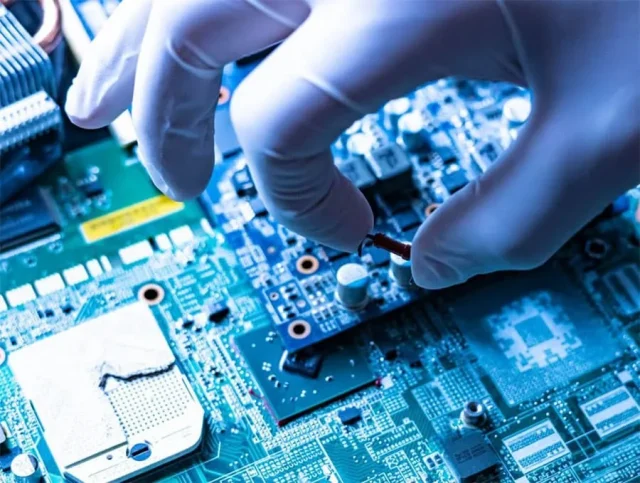
Quality assurance is a critical step in turnkey PCB production. Various inspection and testing methods may be used, including:
-
Automated Optical Inspection (AOI)
-
X-ray inspection for hidden joints
-
Functional testing
-
In-circuit testing (ICT)
These tests help verify that the assembled PCB works correctly before shipment.
Advantages of PCB Turnkey Service
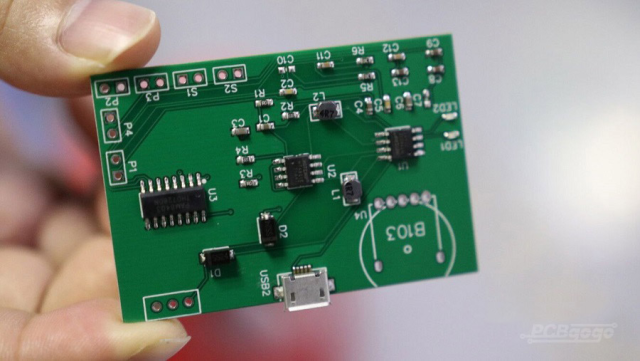
Simplified Supply Chain
Working with a single provider eliminates the complexity of coordinating multiple vendors for fabrication, components, and assembly.
Faster Time to Market
Turnkey services reduce delays caused by communication gaps and logistics issues, enabling faster prototype and production cycles.
Cost Efficiency
Integrated manufacturing often lowers overall costs by optimizing procurement, production scheduling, and logistics.
Consistent Quality Control
With one company managing the entire process, quality standards can be applied consistently across every stage of production.
Applications of PCB Turnkey Services
PCB turnkey manufacturing is widely used in industries that require efficient and reliable electronics production, including:
-
Consumer electronics
-
Industrial automation systems
-
Communication equipment
-
Medical electronics
-
Automotive electronics
-
IoT devices
Whether for prototype development or mass production, turnkey services help streamline the electronics manufacturing process.
Conclusion
PCB Turnkey Service provides a convenient and efficient solution for companies that need complete PCB manufacturing and assembly. By integrating fabrication, component sourcing, assembly, and testing into a single service, turnkey providers simplify project management while ensuring consistent product quality.
As electronic products become more complex and development cycles become shorter, turnkey PCB solutions are becoming an increasingly valuable option for engineers and product developers.
