
In modern electronics development, PCB prototyping services play a critical role in transforming circuit concepts into functional hardware. Whether for high-speed PCB design, RF PCB development, or industrial electronics, fast and accurate PCB prototype manufacturing ensures design validation, reduces risks, and accelerates time-to-market.
Professional PCB prototyping services provide engineers with rapid turnaround, high-quality fabrication, and support for complex multilayer PCB designs, enabling efficient iteration and optimization.
What Are PCB Prototyping Services?
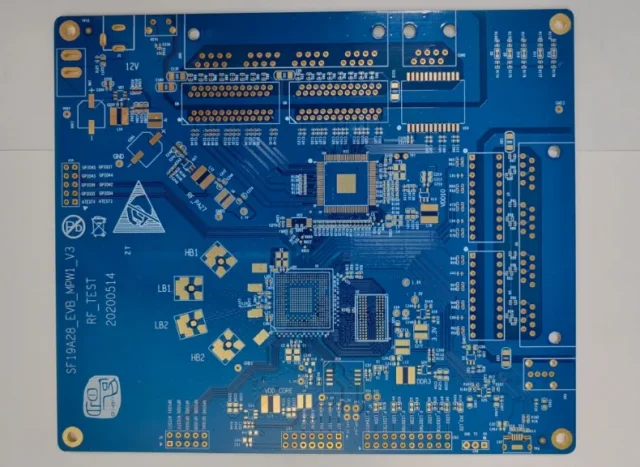
PCB prototyping services refer to the fabrication and assembly of small-quantity printed circuit boards (PCBs) for testing, validation, and design verification before mass production.
These services typically include:
- PCB fabrication (bare board manufacturing)
- PCB assembly (PCBA prototyping)
- Design for Manufacturing (DFM) support
- Testing and inspection services
Key Features of Professional PCB Prototyping Services
1. Rapid Turnaround PCB Prototyping
Fast delivery is essential for product development cycles.
- Quick-turn PCB fabrication (24–72 hours)
- Expedited PCB assembly services
- Parallel design and testing workflows
2. High-Precision PCB Manufacturing
Accurate PCB prototyping ensures reliable testing results.
Capabilities include:
- Fine trace/space routing
- Controlled impedance PCB fabrication
- High-density interconnect (HDI PCB) support
3. Multilayer and Advanced PCB Prototypes
Modern PCB prototype services support complex designs:
- Multilayer PCBs (4–20+ layers)
- RF and high-frequency PCB materials
- Flexible and rigid-flex PCB prototyping
4. PCBA Prototyping and Assembly
PCB assembly prototyping services include:
- SMT and through-hole assembly
- BGA, QFN, and fine-pitch component placement
- Reflow soldering and inspection
5. Design for Manufacturing (DFM) Support
Professional providers offer DFM analysis to optimize designs for manufacturability.
Benefits:
- Reduced production errors
- Improved yield and reliability
- Cost optimization for mass production
PCB Prototyping Process Flow
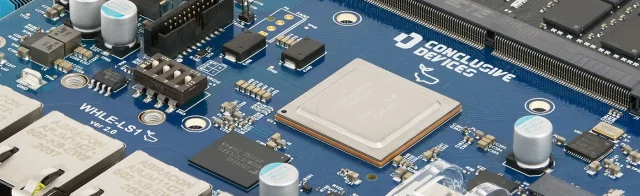
1. Design Submission
Engineers submit Gerber files, BOM, and assembly drawings.
2. Engineering Review (DFM/DFA)
Manufacturers analyze the design for manufacturability and assembly feasibility.
3. PCB Fabrication
Includes:
- Material selection
- Drilling and plating
- Etching and surface finishing
4. PCB Assembly (PCBA Prototyping)
Components are mounted using SMT or through-hole processes.
5. Testing and Quality Inspection
- AOI (Automated Optical Inspection)
- X-ray inspection
- Functional testing
Advantages of PCB Prototyping Services
1. Faster Product Development
Quick PCB prototype turnaround accelerates design validation.
2. Early Detection of Design Issues
Testing prototypes helps identify:
- Signal integrity problems
- Layout errors
- Thermal issues
3. Cost Savings in Mass Production
Early optimization reduces costly redesigns in later stages.
4. Flexibility in Design Iteration
Engineers can refine designs through multiple PCB prototype cycles.
Applications of PCB Prototyping Services
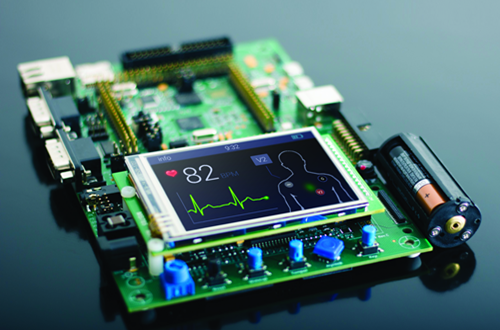
- Consumer electronics development
- Industrial control systems
- Automotive electronics
- Medical devices
- RF and wireless communication systems
Choosing the Right PCB Prototyping Service Provider
Key factors to consider:
- Experience in high-frequency and high-speed PCB design
- Advanced manufacturing capabilities
- Quality certifications (ISO, IPC standards)
- Fast delivery and technical support
- Capability for both prototype and mass production
Conclusion
PCB prototyping services are essential for developing reliable and high-performance electronic products. By leveraging professional PCB fabrication and PCBA prototyping services, engineers can validate designs, improve quality, and accelerate product development.
A trusted PCB prototyping partner ensures precision, speed, and scalability—key factors for success in today’s competitive electronics industry.
