
Introduction: The Need for High-Density Temperature Monitoring
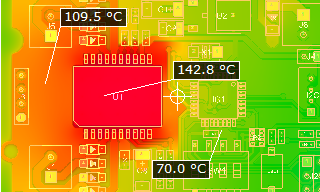
In today’s advanced electronics systems, high-density temperature monitoring solutions are essential for ensuring system reliability, thermal stability, and operational safety. As devices become more compact and power densities increase, effective temperature monitoring across multiple نقاط (points) within a system is critical.
Industries such as data centers, automotive electronics, power management systems, and industrial automation rely heavily on high-density temperature monitoring solutions to prevent overheating, optimize performance, and extend equipment lifespan.
What Are High-Density Temperature Monitoring Solutions?
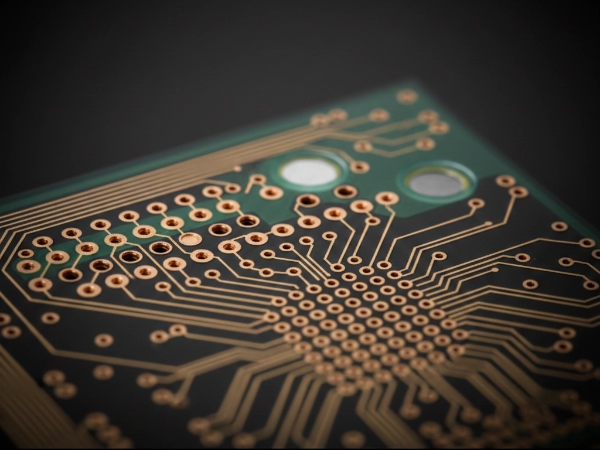
High-density temperature monitoring solutions refer to systems designed to measure and manage temperature across a large number of نقاط sensing within a limited physical space. These solutions typically integrate:
- Temperature sensors (NTC, RTD, digital sensors)
- High-density PCB layouts
- Signal acquisition and processing circuits
- Thermal management strategies
A well-designed temperature monitoring solution enables real-time thermal data acquisition, accurate temperature control, and improved system efficiency.
Key Technologies Behind High-Density Temperature Monitoring
To achieve reliable high-density temperature monitoring, several advanced technologies are involved:
1. High-Density PCB Design
A compact PCB layout is essential for placing multiple temperature sensors within a limited area. Using HDI PCB technology, designers can achieve:
- Higher component density
- Optimized signal routing
- Reduced noise interference
This makes HDI PCBs a core foundation of modern temperature monitoring systems.
2. Sensor Integration and Placement
Accurate temperature monitoring depends on proper sensor selection and placement strategy. Common sensor types include:
- NTC thermistors for cost-effective solutions
- RTDs (Resistance Temperature Detectors) for high precision
- Digital temperature sensors for smart systems
Strategic placement ensures accurate detection of hotspots and improves overall thermal management performance.
3. Signal Integrity and Data Accuracy
In high-density temperature monitoring solutions, maintaining signal integrity is critical due to the large number of sensing channels. Proper design helps to:
- Reduce signal noise
- Ensure accurate data acquisition
- Maintain stable communication interfaces
This is especially important in high-speed electronics and data-intensive applications.
4. Thermal Management and Heat Dissipation
Effective thermal management is not only about monitoring but also about controlling heat. A robust temperature monitoring system supports:
- Early detection of thermal anomalies
- Integration with cooling systems
- Optimization of heat dissipation paths
This ensures consistent system performance and prevents thermal-related failures.
Applications of High-Density Temperature Monitoring Solutions
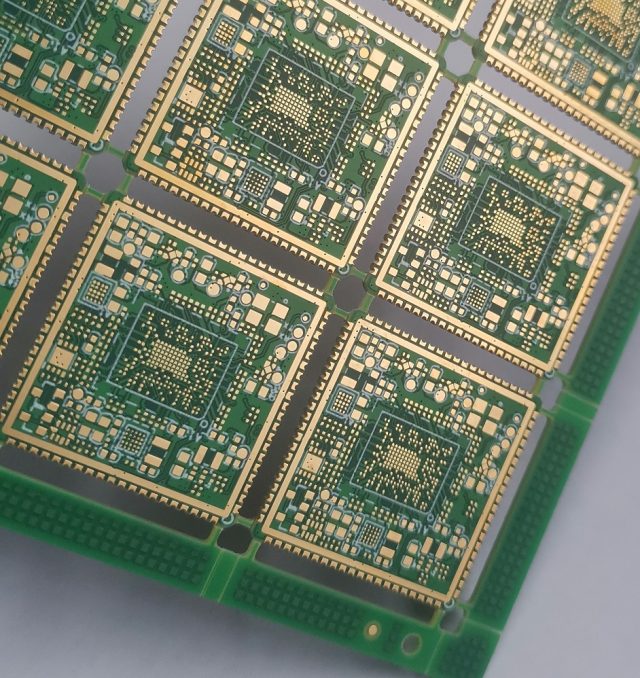
High-density temperature monitoring solutions are widely used in industries where precise thermal control is critical:
- Data centers – Monitoring server rack temperatures for stability
- Electric vehicles (EVs) – Battery pack temperature management
- Industrial automation – Equipment and process temperature control
- Power electronics – Thermal protection in high-power circuits
- Medical equipment – Ensuring safe operating conditions
These applications demand highly reliable and scalable temperature monitoring systems.
Design Considerations for Optimal Performance
When developing high-density temperature monitoring solutions, engineers should consider:
- PCB stack-up design for better thermal and electrical performance
- Proper grounding and shielding to minimize interference
- Efficient power distribution across sensor networks
- Scalability for increasing sensor density
- Compatibility with data processing systems
A well-optimized design ensures both accuracy and long-term reliability.
From Monitoring to Intelligent Thermal Control
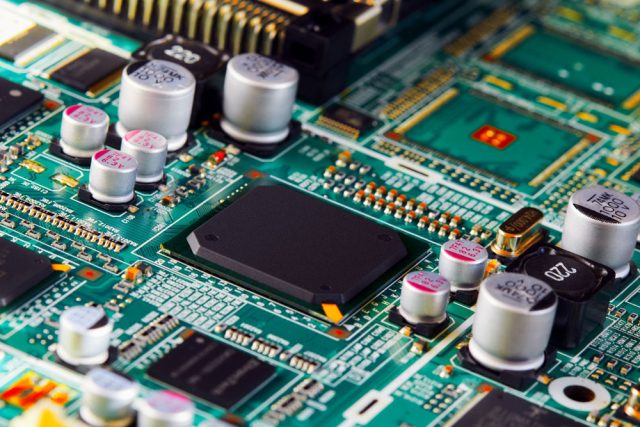
Modern high-density temperature monitoring solutions are evolving toward smart systems with integrated analytics. By combining sensor data, AI algorithms, and real-time processing, systems can:
- Predict thermal risks
- Enable preventive maintenance
- Improve energy efficiency
This transformation turns simple temperature monitoring into intelligent thermal management solutions.
Conclusion
As electronic systems continue to increase in complexity and power density, high-density temperature monitoring solutions have become a fundamental requirement. By leveraging advanced PCB design, sensor integration, and thermal management strategies, engineers can ensure optimal system performance, safety, and reliability.Investing in the right temperature monitoring solution is not just about measurement—it is about enabling smarter, safer, and more efficient electronic systems.
