
Custom ATE PCB
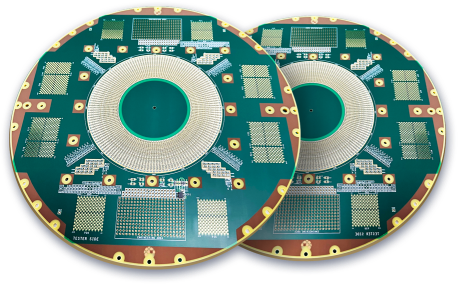
Automated Test Equipment (ATE) plays a critical role in modern electronics manufacturing, ensuring that integrated circuits, semiconductor devices, and electronic assemblies perform according to specification. At the heart of this process is the
What Is a Custom ATE PCB?
A Custom ATE PCB is a dedicated testing interface board designed to connect semiconductor devices or electronic modules to automated testing systems. These boards enable accurate signal transmission, power delivery, and measurement during functional testing, reliability verification, and production quality control.
Because different electronic components require different test conditions, ATE boards are often fully customized. Engineers design them according to parameters such as signal speed, pin count, voltage requirements, and mechanical fixture compatibility.
Key Features of Custom ATE PCBs
Custom ATE PCBs are built to support high-precision and high-reliability testing environments. Some of the most important design features include:
High Signal Integrity
Many ATE boards must handle high-speed digital or RF signals. Controlled impedance traces, careful layer stack-up planning, and minimal signal distortion are critical to maintain accurate test results.
High Pin Density
Modern ICs often contain hundreds or thousands of pins. Custom ATE PCBs support high pin counts using dense routing, HDI structures, and advanced via technologies.
Durability and Reliability
ATE boards may experience frequent insertion cycles during production testing. High-quality materials, reinforced pads, and robust surface finishes such as ENIG help ensure long service life.
Precision Routing
Signal paths must be optimized to reduce noise, cross-talk, and propagation delay. This is especially important for high-frequency, high-speed, or mixed-signal testing.
Materials Used in Custom ATE PCBs
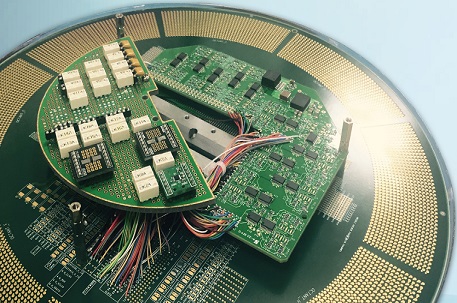
The choice of materials depends on signal frequency, thermal requirements, and mechanical stability.
Common materials include:
-
FR-4 for standard digital testing environments
-
High-frequency laminates for RF and microwave testing
-
High-TG materials for improved thermal reliability
-
Low-loss materials for high-speed signal applications
The correct material selection ensures that signal performance remains stable across repeated testing cycles.
Applications of Custom ATE PCBs
Custom ATE PCBs are widely used in semiconductor and electronics testing industries.
Typical applications include:
-
Semiconductor IC testing
-
RF module verification
-
Automotive electronics testing
-
Consumer electronics production testing
-
High-speed communication device validation
These boards are essential for ensuring product quality before devices enter the market.
Design Considerations for Custom ATE PCBs
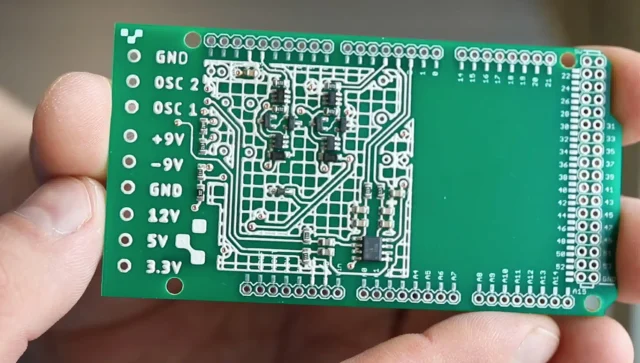
Designing a Custom ATE PCB requires careful collaboration between PCB engineers, test engineers, and manufacturing teams.
Key considerations include:
Signal Integrity Management
High-speed signal routing, impedance control, and proper grounding strategies help ensure accurate measurements.
Thermal Management
During testing, devices under test may generate heat. Proper copper distribution and thermal vias help dissipate heat effectively.
Mechanical Compatibility
ATE boards must align perfectly with test fixtures, pogo pins, or socket interfaces. Precision mechanical design ensures stable contact during testing.
Manufacturing Precision
Tight fabrication tolerances, accurate drilling, and high-quality plating are necessary to support reliable electrical connections.
Why Custom ATE PCBs Are Important
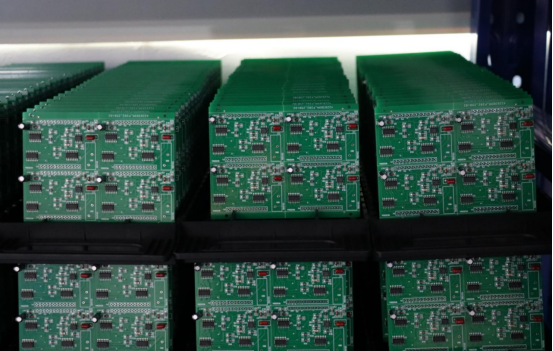
As semiconductor devices become more complex, testing requirements continue to increase. Custom ATE PCBs provide the flexibility and precision needed to support advanced testing environments, reduce failure rates, and maintain consistent product quality.
A well-designed ATE PCB improves test efficiency, reduces debugging time, and ensures accurate results throughout the production process.
For manufacturers working with high-performance electronics, investing in reliable Custom ATE PCB design and fabrication is a key step toward achieving efficient and scalable production testing.
