
ATE Test PCBs (Automatic Test Equipment Printed Circuit Boards) are specialized circuit boards used to interface electronic devices with automated testing systems. These PCBs play a critical role in verifying the functionality, performance, and reliability of electronic components and assemblies during manufacturing.
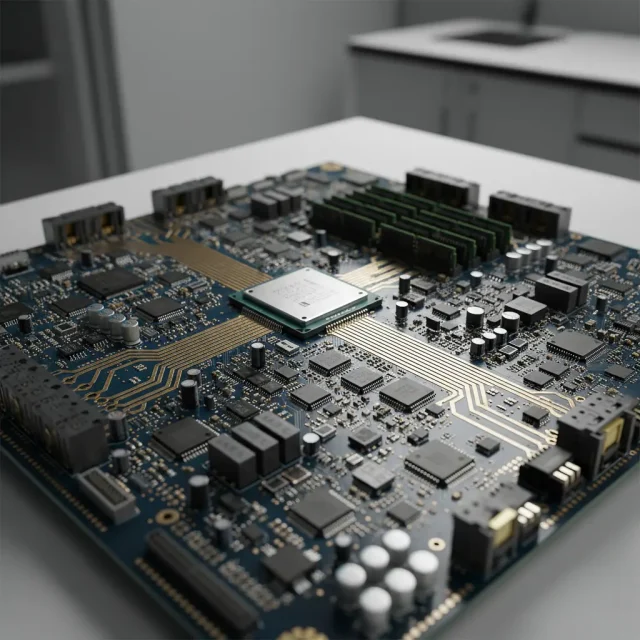
In modern electronics production, ATE systems enable high-speed, high-accuracy testing of integrated circuits (ICs), semiconductor devices, and complete electronic modules. The ATE test PCB acts as the physical interface between the device under test (DUT) and the testing equipment, ensuring signals, power, and measurement paths are accurately delivered.
Because ATE systems often operate at high speed and must maintain precise signal integrity, the design and manufacturing of ATE test PCBs require careful engineering and strict quality control.
What Is an ATE Test PCB?
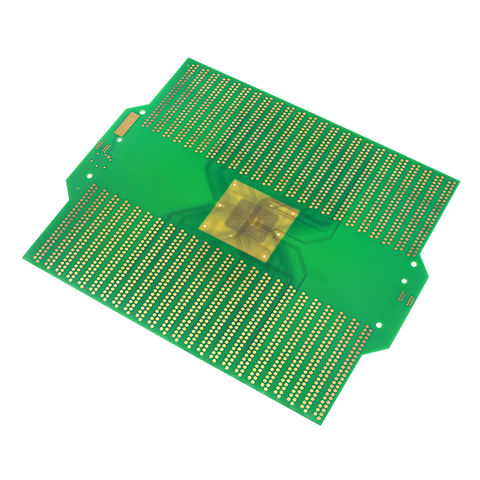
An ATE Test PCB is a customized printed circuit board designed to connect a device under test to an automated testing platform. It routes test signals, power supply lines, and measurement channels between the DUT and the test system.
These boards are typically used in:
-
Semiconductor device testing
-
IC packaging and validation
-
Consumer electronics manufacturing
-
Automotive electronics testing
-
RF and communication module verification
ATE test PCBs are engineered to ensure reliable electrical contact, accurate signal transmission, and repeatable test results.
Key Considerations for ATE Test PCBs
1. Signal Integrity
ATE systems frequently test high-speed digital or RF signals. Maintaining signal integrity is essential to ensure measurement accuracy.
Design techniques include:
-
Controlled impedance routing
-
Proper ground plane design
-
Short signal paths to reduce delay
-
Minimizing crosstalk between traces
Good signal integrity prevents signal distortion and ensures the testing system measures the device performance correctly.
2. High-Density Interconnect
ATE test boards often require large numbers of connections to test multiple pins on ICs simultaneously. This demands high-density PCB designs.
Common design features include:
-
Fine-pitch routing
-
Microvias and via-in-pad technology
-
Multilayer PCB stack-ups
-
High-density connector interfaces
These features allow the board to support complex test structures and large pin-count devices.
3. Mechanical Reliability
ATE test boards may undergo repeated insertion cycles and mechanical stress during testing operations. Therefore, mechanical durability is extremely important.
Key mechanical considerations include:
-
Reinforced board structures
-
Stable connector placement
-
Robust solder joints
-
Wear-resistant contact pads
Reliable mechanical design ensures long service life and consistent testing performance.
4. Thermal Management
During testing, certain devices may generate heat, especially when operating at high power levels. Proper thermal management ensures the DUT and the PCB remain within safe operating temperatures.
Solutions include:
-
Thermal vias
-
Copper heat-spreading layers
-
Dedicated heat dissipation areas
-
Controlled airflow around test boards
Effective thermal design prevents overheating and ensures stable test conditions.
Manufacturing Requirements
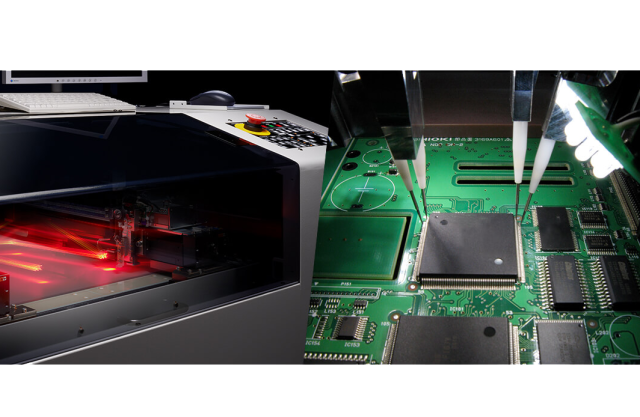
ATE test PCBs often require high manufacturing precision due to their complex structures and high-speed signal requirements.
Typical manufacturing requirements include:
-
Tight impedance control
-
Accurate layer alignment
-
High-quality plating for contact pads
-
Precision drilling for dense via structures
Advanced PCB fabrication technologies help ensure reliable performance and long-term stability in automated testing environments.
Applications of ATE Test PCBs
ATE test PCBs are widely used across multiple industries where electronic components must be verified before shipment.
Common applications include:
-
Semiconductor wafer testing
-
IC package validation
-
PCB functional testing
-
Automotive electronic module verification
-
RF communication device testing
By enabling automated testing processes, ATE test PCBs help manufacturers improve production efficiency, reduce human error, and maintain consistent product quality.
Conclusion
ATE Test PCBs are essential components in modern electronic manufacturing and quality control systems. Their design requires careful consideration of signal integrity, high-density interconnects, mechanical reliability, and thermal management.
With the growing complexity of electronic devices and the demand for faster production cycles, well-designed ATE test PCBs help ensure accurate testing, reliable performance, and efficient manufacturing processes.
