
Introduction to ATE PCB Assembly
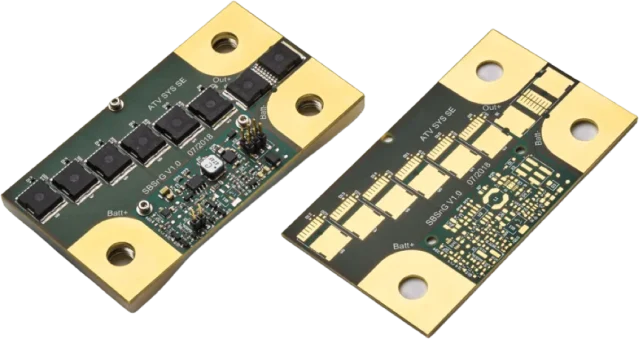
ATE PCB Assembly refers to the manufacturing and integration of printed circuit boards used in Automated Test Equipment (ATE) systems. These boards are specifically designed to support the testing of semiconductor devices, integrated circuits, and electronic components with high precision and reliability. Because ATE systems operate in demanding test environments, the PCB assembly process must ensure excellent electrical performance, mechanical durability, and stable signal transmission.
In modern semiconductor manufacturing, ATE PCBs are essential for verifying device functionality, performance, and quality before products reach the market. From wafer-level testing to final package testing, properly assembled ATE PCBs play a critical role in ensuring accurate test results and improving production efficiency.
Key Features of ATE PCB Assembly
ATE PCBs often include specialized features to support high-speed testing and complex signal routing. Typical characteristics include:
- High layer count multilayer structures for complex circuitry
- Controlled impedance routing for high-speed signal accuracy
- High reliability solder joints to withstand repeated test cycles
- Support for fine-pitch components and high-density packages
- Integration with probe cards, load boards, and interface boards
These features ensure the assembled PCB can maintain signal integrity while operating at high frequencies and under continuous testing conditions.
Important Assembly Considerations
1.Component Placement Accuracy
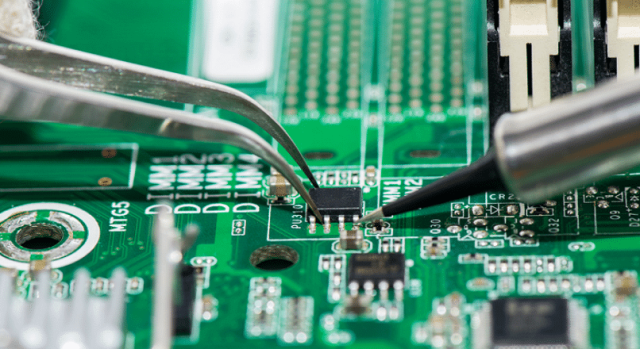
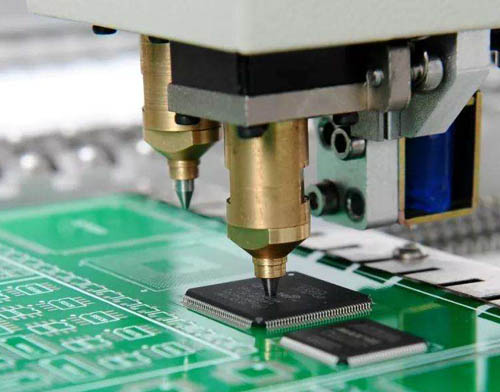
ATE boards frequently include high-precision connectors, IC sockets, and testing interfaces. Accurate component placement is critical to ensure proper contact with testing equipment and to maintain signal consistency across test channels.
2.High-Speed Signal Integrity
Many ATE systems test high-speed digital or RF devices. Proper assembly techniques help preserve controlled impedance traces and minimize signal reflections, crosstalk, and noise.
3.Thermal Management
During test operations, devices and components may generate significant heat. Proper thermal design and assembly—such as thermal vias, copper planes, and heat-spreading structures—help maintain system stability.
4.Reliability and Durability
ATE boards are often used repeatedly in production environments. High-quality soldering, durable connectors, and robust materials help extend the operational lifespan of the assembled PCB.
Applications of ATE PCB Assembly
ATE PCB assemblies are widely used in many areas of electronics testing, including:
Semiconductor wafer testing
Integrated circuit (IC) functional testing
Memory and processor testing
RF device testing
Automotive electronics verification
Consumer electronics quality control
With the growing demand for advanced semiconductor devices, ATE PCB assemblies must support higher speeds, greater channel counts, and more complex test architectures.
Conclusion
ATE PCB Assembly is a critical step in building reliable automated test systems for the semiconductor and electronics industries. By combining advanced PCB fabrication, precise component placement, and strict quality control processes, manufacturers can produce high-performance ATE boards capable of delivering accurate and repeatable testing results.
As electronic devices continue to evolve toward higher speeds and greater complexity, the demand for high-quality ATE PCB assemblies will continue to grow across global electronics manufacturing sectors.
