
The intersection of healthcare and electronics requires a level of precision where failure is not an option. Medical PCB Assembly (PCBA) is governed by rigorous standards like ISO 13485, ensuring that every heartbeat monitor, imaging system, and implantable device operates with 100% reliability. As medical devices shrink in size while increasing in complexity, specialized assembly technologies have become the backbone of modern MedTech.
1. High-Density Interconnect (HDI) Technology
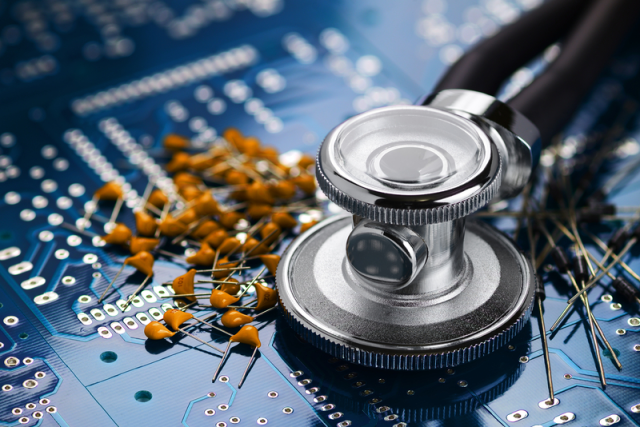
To meet the demand for portable and wearable medical devices, HDI PCB technology is essential.
- Microvias & Ultra-Fine Traces: By using laser-drilled microvias and traces thinner than a human hair, HDI allows for higher component density. This is critical for devices like hearing aids and swallowable pill cameras where space is at a premium.
- Layer Integration: HDI technology enables more functionality in a smaller footprint without compromising signal integrity.
2. Surface Mount Technology (SMT) with Ultra-Fine Pitch
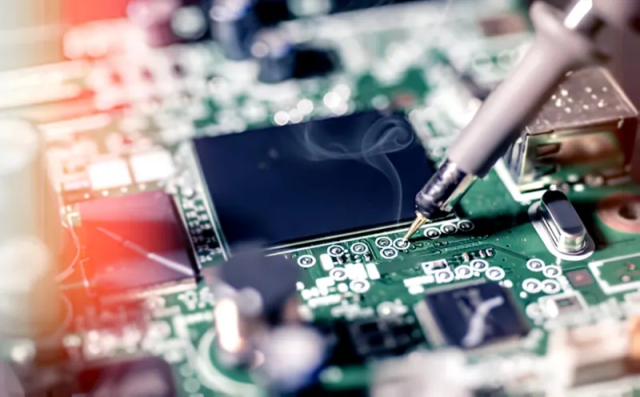
Medical devices often utilize microscopic components, such as 01005 packages.
- Precision Placement: High-speed, high-precision SMT machines ensure these tiny components are placed with sub-micron accuracy.
- Solder Paste Inspection (SPI): In medical PCBA, even a tiny solder bridge can be fatal. Automated SPI systems measure the volume and height of solder paste on every pad before components are even placed, preventing defects at the source.
3. Advanced Inspection: 3D AOI and AXI
Standard visual inspection is insufficient for life-critical electronics.
- 3D Automated Optical Inspection (AOI): Unlike 2D versions, 3D AOI inspects the height and volume of solder joints, detecting “tombstoning” or lifted leads that 2D cameras might miss.
- Automated X-Ray Inspection (AXI): For components like BGAs (Ball Grid Arrays) used in ultrasound or MRI processors, AXI is the only way to “see” through the component to verify the integrity of solder balls hidden underneath.
4. Flex and Rigid-Flex Assembly
Modern medical devices are rarely flat. Flexible PCBs and Rigid-Flex boards are used in robotic surgical arms and wearable biosensors.
- Durability: These assemblies are designed to withstand thousands of bending cycles.
- Weight Reduction: Rigid-flex technology eliminates the need for bulky connectors and wires, reducing the overall weight and increasing the mechanical reliability of the device.
5. Specialized Coating and Encapsulation
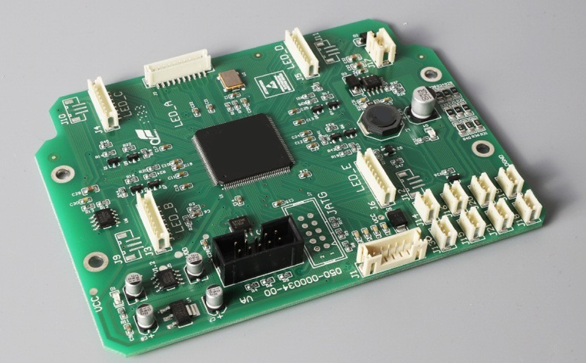
Medical PCBs often face harsh environments, from sterilization autoclaves to bodily fluids.
- Conformal Coating: A thin chemical film is applied to protect the PCB assembly from moisture, dust, and chemicals.
- Parylene Coating: In implantable devices, Parylene is often used due to its superior biocompatibility and moisture barrier properties.
Conclusion
The technology used in Medical PCB Assembly is a blend of extreme miniaturization and uncompromising quality control. By leveraging HDI, 3D AXI, and Rigid-Flex solutions, manufacturers like KKPCB ensure that medical professionals can rely on their equipment when life hangs in the balance.
