
With the continuous development of electronic products toward higher power density, miniaturization, and improved reliability, substrate materials play an increasingly important role in electronic packaging and circuit applications.
Traditional PCB materials such as FR-4 are widely used in general electronic products, but they may not meet the requirements of applications involving:
- High operating temperatures
- High-frequency signals
- High power density
- Excellent thermal stability
- Long-term reliability
Glazed substrates are a type of advanced ceramic substrate that provide excellent electrical insulation, thermal performance, and surface protection. They are widely used in specialized electronic applications such as power electronics, semiconductor packaging, high-frequency circuits, and industrial control systems.
1. What Are Glazed Substrates?
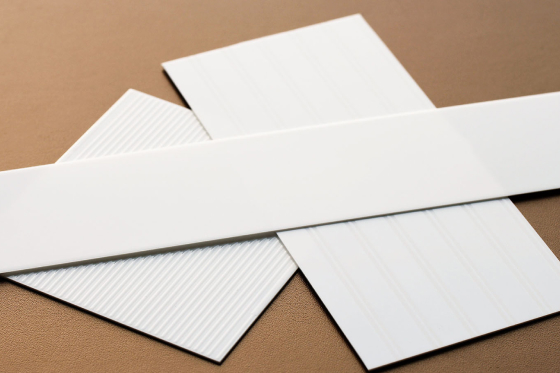
A glazed substrate is a substrate material with a ceramic base covered by a glass-like glaze layer on its surface.
The glaze is typically a thin, dense coating formed through a high-temperature firing process. It creates a smooth and protective surface with improved:
- Electrical insulation
- Moisture resistance
- Chemical stability
- Surface durability
Unlike ordinary ceramic substrates, glazed substrates combine the advantages of ceramic materials with enhanced surface protection provided by the glaze layer.
2. Structure of Glazed Substrates
A typical glazed substrate consists of several layers:
| Layer | Function |
|---|---|
| Conductive Layer | Circuit pattern or electrode connection |
| Glaze Layer | Surface protection and insulation enhancement |
| Ceramic Substrate | Mechanical support and thermal conduction |
The ceramic core may use materials such as:
- Alumina (Al₂O₃)
- Aluminum nitride (AlN)
- Zirconia-based ceramics
The selection depends on requirements such as:
- Thermal conductivity
- Mechanical strength
- Electrical performance
3. Key Characteristics of Glazed Substrates
3.1 Excellent Electrical Insulation
Ceramic materials naturally provide high electrical insulation performance.
Glazed substrates further improve:
- Surface insulation resistance
- Dielectric reliability
- Resistance against environmental contamination
This makes them suitable for:
- High-voltage circuits
- Power modules
- Sensitive electronic systems
3.2 High Thermal Stability
Glazed substrates can operate under elevated temperatures due to:
- Ceramic heat resistance
- Stable material structure
- Low thermal expansion
Advantages include:
- Reduced thermal stress
- Improved component lifetime
- Better reliability under temperature cycling
3.3 Improved Surface Protection
The glaze layer provides a smooth protective coating that helps resist:
- Moisture penetration
- Chemical corrosion
- Surface contamination
This improves reliability in harsh environments.
3.4 Good Dimensional Stability
Compared with polymer-based substrates, ceramic substrates have:
- Lower thermal expansion
- Better mechanical stability
This helps maintain:
- Circuit alignment
- Package reliability
- Long-term performance
4. Manufacturing Process of Glazed Substrates
The manufacturing process generally includes several specialized steps.
Step 1: Ceramic Substrate Preparation
The ceramic material is prepared through:
- Powder mixing
- Forming
- Sintering
The process determines:
- Density
- Mechanical strength
- Thermal properties
Step 2: Surface Treatment
Before glazing, the ceramic surface is processed to improve:
- Surface cleanliness
- Adhesion performance
- Coating uniformity
Step 3: Glaze Application
The glaze material is applied onto the ceramic surface through methods such as:
- Screen printing
- Spraying
- Coating processes
The thickness and uniformity of the glaze layer must be carefully controlled.
Step 4: High-Temperature Firing
The coated substrate undergoes high-temperature firing.
During this process:
- The glaze melts and bonds with the ceramic surface.
- A dense glass-like protective layer is formed.
Step 5: Circuit Pattern Formation
Depending on the application, conductive patterns may be created using:
- Thick-film technology
- Thin-film technology
- Metal deposition processes
Common conductive materials include:
- Copper
- Silver
- Gold
- Other metal alloys
Step 6: Inspection and Testing
Quality verification may include:
- Surface inspection
- Thickness measurement
- Electrical testing
- Thermal performance testing
5. Advantages of Glazed Substrates Compared with Traditional PCB Materials
| Feature | Glazed Substrate | FR-4 PCB |
|---|---|---|
| Thermal Resistance | Excellent | Moderate |
| High Temperature Performance | Excellent | Limited |
| Electrical Insulation | Excellent | Good |
| Moisture Resistance | Excellent | Moderate |
| Mechanical Flexibility | Low | Higher |
| Manufacturing Cost | Higher | Lower |
| High Power Capability | Excellent | Limited |
6. Applications of Glazed Substrates
6.1 Power Electronics
Glazed substrates are commonly used in:
- Power modules
- Motor controllers
- Inverters
- Power conversion systems
Advantages:
- Heat dissipation
- Electrical insulation
- High-temperature reliability
6.2 Semiconductor Packaging
Applications include:
- Chip carriers
- Ceramic packages
- High-reliability electronic modules
Requirements:
- Dimensional stability
- Thermal matching
- Electrical insulation
6.3 High-Frequency Electronics
High-frequency systems require materials with stable electrical characteristics.
Glazed substrates can support:
- RF modules
- Microwave circuits
- Communication components
Benefits include:
- Stable dielectric performance
- Low signal loss
6.4 Industrial Control Equipment
Industrial environments often involve:
- Heat
- Dust
- Humidity
- Mechanical stress
Glazed substrates provide:
- Long service life
- Environmental resistance
6.5 Automotive Electronics
Applications include:
- Power control modules
- Electric vehicle systems
- Battery management components
Advantages:
- Thermal reliability
- Vibration resistance
- Long-term stability
7. Glazed Substrates vs Other Ceramic Substrates
Alumina Substrates
Advantages:
- Mature technology
- Good insulation
- Cost-effective
Limitations:
- Moderate thermal conductivity
Aluminum Nitride (AlN) Substrates
Advantages:
- Excellent thermal conductivity
- Similar thermal expansion to silicon
Applications:
- High-power semiconductor modules
Glazed Ceramic Substrates
Advantages:
- Enhanced surface protection
- Improved environmental resistance
- Better surface performance
Suitable for applications requiring additional protection and reliability.
8. Design Considerations for Glazed Substrates
8.1 Thermal Management
Engineers should evaluate:
- Heat generation
- Thermal paths
- Cooling methods
Proper design improves component reliability.
8.2 Circuit Pattern Design
Consider:
- Line width and spacing
- Current requirements
- Electrical clearance
High-voltage applications require careful insulation design.
8.3 Mechanical Stress
Ceramic materials are rigid and brittle compared with FR-4.
Design considerations include:
- Mounting methods
- Mechanical support
- Thermal expansion differences
8.4 Manufacturing Compatibility
Before production, engineers should confirm:
- Substrate size capability
- Metallization process
- Surface finish requirements
- Assembly compatibility
9. Reliability Testing
Glazed substrates may require evaluation through:
Thermal Cycling Test
Checks resistance against:
- Temperature changes
- Thermal expansion stress
High-Voltage Insulation Test
Evaluates:
- Dielectric strength
- Electrical safety
Environmental Testing
Includes:
- Humidity testing
- Chemical resistance testing
- Aging evaluation
Conclusion
Glazed substrates are advanced ceramic substrate solutions designed for electronic applications requiring high reliability, thermal stability, and excellent electrical insulation.
Compared with conventional PCB materials, glazed substrates provide advantages in:
- High-temperature operation
- Heat management
- Environmental protection
- Long-term reliability
They are particularly suitable for demanding applications such as:
- Power electronics
- Semiconductor packaging
- RF systems
- Automotive electronics
- Industrial control equipment
As electronic systems continue moving toward higher power density and stricter reliability requirements, glazed substrate technology will continue to play an important role in advanced electronic manufacturing.
