
Understanding Current Capacity in Flexible PCBs
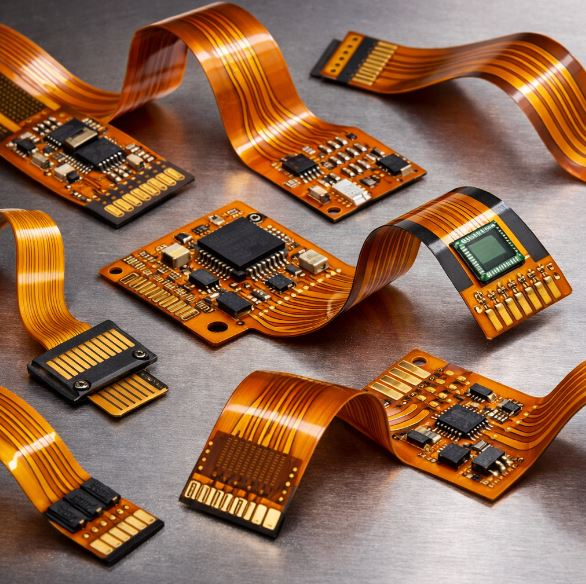
Flexible PCBs (FPCs), typically manufactured with polyimide-based materials, are widely used in applications requiring compact size, lightweight construction, and dynamic bending capability. Compared with traditional rigid FR-4 PCBs, flexible circuits provide excellent mechanical flexibility and thermal resistance, making them suitable for automotive electronics, medical devices, wearable systems, industrial equipment, and high-density electronic assemblies.
However, when flexible PCBs are required to handle higher current levels, designers face a critical challenge: increasing current capacity while maintaining flexibility and reliability.
The current carrying capability of a flexible PCB depends on multiple factors, including:
- Copper thickness
- Trace width
- Copper material type
- Operating temperature
- Heat dissipation capability
- Manufacturing process
A well-designed high-current flexible PCB requires careful balance between electrical performance, thermal management, and mechanical flexibility.
Key Factors Affecting Flexible PCB Current Carrying Capacity
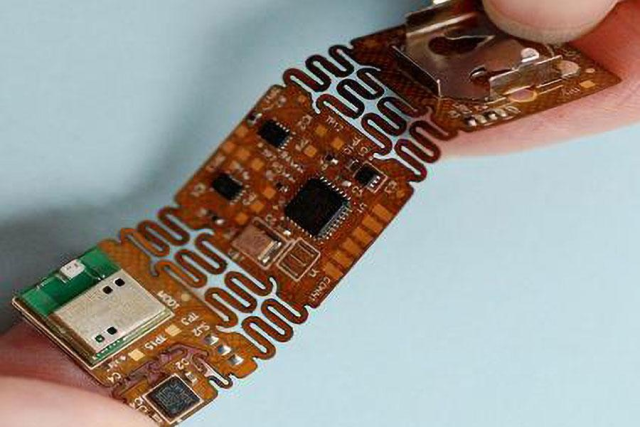
1. Trace Width and Copper Thickness
The width and thickness of copper traces directly influence current capacity.
Wider and thicker conductors provide:
- Lower electrical resistance
- Reduced heat generation
- Higher current handling capability
However, increasing copper thickness can negatively affect flexibility by making the circuit stiffer.
Designers must balance:
- Required current capacity
- Minimum bend radius
- Flexibility requirements
- Assembly constraints
2. Copper Weight Selection
Copper thickness is one of the most important parameters in high-current flexible PCB design.
Common copper weights include:
- 1 oz copper for standard flexible circuits
- 2 oz copper for higher current requirements
- 3 oz or thicker copper for specialized applications
While thicker copper improves current capacity, excessive thickness may introduce:
- Reduced bending performance
- Increased mechanical stress
- Potential copper fatigue during repeated flexing
For dynamic flex applications, rolled annealed (RA) copper is often preferred due to its superior flexibility compared with electrodeposited copper.
3. Temperature Rise and Thermal Management
Current flow generates heat, and excessive temperature rise can reduce PCB reliability.
Important considerations include:
- Ambient operating temperature
- Heat dissipation path
- Copper distribution
- Material thermal performance
High-current flexible PCB designs may require:
- Larger copper areas
- Thermal management structures
- Heat spreaders
- Improved airflow conditions
Maintaining controlled temperature is essential for long-term electrical stability.
4. Operating Environment and Derating Factors
Flexible PCB current ratings are affected by actual operating conditions.
Factors requiring consideration include:
- High ambient temperature
- Limited airflow
- Continuous current operation
- High-density component placement
Designers often apply derating factors to ensure reliable operation under real-world conditions.
A PCB designed only for ideal laboratory conditions may experience reduced performance in actual applications.
5. Copper Foil Type
The choice of copper foil significantly influences both conductivity and mechanical reliability.
Common options include:
Rolled Annealed (RA) Copper
Advantages:
- Excellent flexibility
- Better resistance to repeated bending
- Suitable for dynamic flex applications
Electrodeposited (ED) Copper
Advantages:
- Good electrical conductivity
- Suitable for static flex applications
However, ED copper may be more susceptible to cracking during repeated bending.
Selecting the appropriate copper type helps optimize both current capacity and mechanical durability.
6. Trace Length and Parallel Conductors
Longer traces increase electrical resistance and generate more heat.
To improve current handling capability:
- Minimize unnecessary trace length
- Optimize routing paths
- Use multiple parallel traces when necessary
Parallel conductors distribute current more evenly and reduce stress on individual traces.
7. Manufacturing Process Control
Manufacturing quality directly affects current performance.
Critical manufacturing factors include:
- Copper thickness uniformity
- Etching accuracy
- Plating consistency
- Layer alignment
- Surface finish quality
Precise fabrication ensures that the actual conductor dimensions match design requirements.
Estimating Flexible PCB Current Capacity
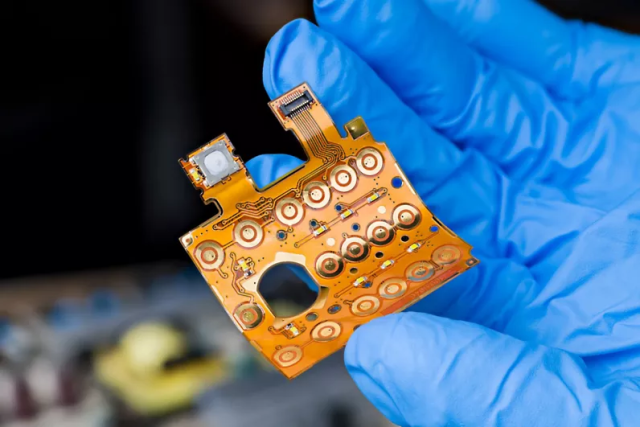
Engineers often use current rating charts or nomograms to estimate flexible PCB current capability.
These tools typically consider:
- Trace width
- Copper thickness
- Allowable temperature rise
However, theoretical calculations should be combined with:
- Actual operating conditions
- Material specifications
- Manufacturer process capability
- Reliability requirements
For high-current applications, simulation and validation testing are recommended before mass production.
High Current Capability vs. Flexible PCB Bendability
One of the biggest challenges in FPC design is balancing current capacity with mechanical flexibility.
Increasing current capability usually requires:
- Thicker copper layers
- Wider traces
- Additional reinforcement layers
These improvements may reduce:
- Bend radius performance
- Dynamic flex life
- Overall flexibility
Therefore, alternative design approaches may be required.
Design Solutions for High-Current Flexible PCBs
1. Optimized Material Selection
Using advanced flexible materials can reduce thickness while maintaining electrical performance.
Examples include:
- Glueless flexible laminates
- High-performance polyimide materials
- Rolled annealed copper constructions
These solutions improve flexibility while supporting higher current requirements.
2. Copper Optimization
Instead of simply increasing copper thickness, designers can optimize:
- Trace geometry
- Copper distribution
- Parallel routing structures
This approach provides better balance between current capacity and mechanical performance.
3. Thermal Management Enhancement
High-current flexible circuits require effective heat control.
Possible solutions include:
- Thermal vias
- Copper heat spreading areas
- Additional heat dissipation structures
- Improved material selection
Thermal design is essential for maintaining long-term reliability.
Controlled Impedance Considerations in High-Current FPC Design
Some flexible PCB applications require both:
- High current capability
- Controlled impedance performance
However, achieving controlled impedance may require:
- Specific dielectric thickness
- Additional layers
- Larger conductor dimensions
These requirements can increase overall flex thickness and affect bendability.
Early cooperation between PCB designers and manufacturers helps achieve the best balance between electrical and mechanical requirements.
Applications of High-Current Flexible PCBs
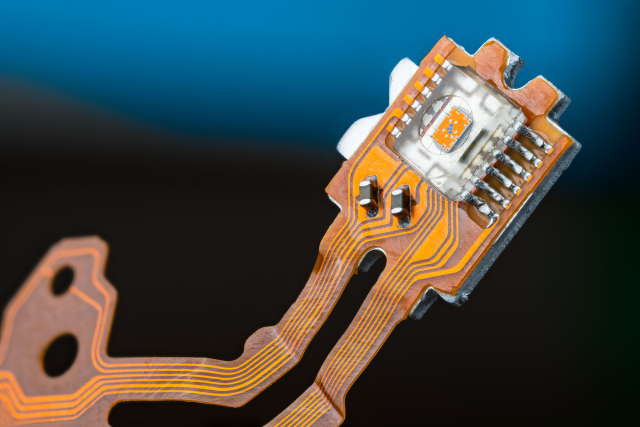
High-current flexible PCBs are commonly used in:
- Battery management systems (BMS)
- Automotive electronics
- Power modules
- Industrial equipment
- Medical devices
- Wearable electronics
- Compact consumer devices
These applications require reliable current delivery while maintaining space efficiency and mechanical flexibility.
Conclusion: Balancing Current Capacity and Flexibility in FPC Design
The current carrying capacity of flexible PCBs is determined by a combination of electrical, thermal, mechanical, and manufacturing factors.
Key considerations include:
- Copper thickness and trace width
- Copper foil selection
- Thermal management
- Operating environment
- Manufacturing precision
While increasing current capacity may reduce flexibility, optimized material selection and PCB design strategies can help achieve a reliable balance between electrical performance and mechanical durability.
With experience in flexible PCB, rigid-flex PCB, high-frequency PCB, HDI PCB, thick copper PCB, and advanced multilayer PCB manufacturing, KKPCB provides PCB design, fabrication, prototyping, and assembly solutions for complex electronic applications
