With the rapid development of industrial automation, collaborative robots (cobots) are becoming increasingly important in modern manufacturing environments. Unlike traditional industrial robots that typically operate in isolated areas, collaborative robots are designed to work safely alongside human operators while providing flexibility, precision, and efficiency.
The performance of a collaborative robot depends heavily on its internal electronic systems, especially the custom PCBA (Printed Circuit Board Assembly) that controls:
- Motion control
- Sensor data processing
- Communication functions
- Power management
- Safety monitoring
A reliable custom PCBA solution is essential to ensure stable operation, accurate control, and long-term durability in industrial environments.
This article discusses the key PCBA design considerations, manufacturing challenges, and solutions for industrial collaborative robot applications.
1. What Is a Collaborative Robot PCBA?

A collaborative robot PCBA is a customized electronic assembly designed specifically for robotic control systems.
It integrates various electronic functions, including:
- Microcontrollers and processors
- Motor control circuits
- Sensor interfaces
- Communication modules
- Power management circuits
- Safety monitoring circuits
The PCBA acts as the electronic control center that enables the robot to:
- Receive commands
- Process sensor feedback
- Control movement
- Communicate with external systems
2. Key PCBA Requirements for Collaborative Robots
Collaborative robots operate in dynamic industrial environments, requiring PCBAs with high reliability and precise performance.
2.1 High Reliability and Long Operating Life
Industrial robots often operate continuously for extended periods.
PCBAs must withstand:
- Long operation cycles
- Mechanical vibration
- Temperature variations
- Electrical stress
Reliability considerations include:
- High-quality components
- Robust solder joints
- Proper thermal design
- Strict manufacturing control
2.2 Precise Motion Control
Collaborative robots require accurate movement control.
The PCBA must support:
- Motor driver circuits
- Encoder signal processing
- Real-time control algorithms
Signal integrity is critical because noise or delay may affect:
- Position accuracy
- Motion stability
- Safety performance
2.3 Sensor Interface Integration
Cobots rely on multiple sensors for interaction and safety.
Common sensors include:
- Force/torque sensors
- Position sensors
- Vision systems
- Proximity sensors
The PCBA must provide:
- Stable signal acquisition
- Low-noise processing
- Reliable communication interfaces
2.4 Power Management Capability
Robotic systems require efficient power distribution.
PCBA design must consider:
- High-current motor drivers
- Voltage regulation
- Power protection
Important design factors include:
- Current capacity
- Thermal management
- Component selection
2.5 Communication Reliability
Industrial robots commonly communicate through:
- Ethernet
- CAN bus
- RS-485
- Industrial communication protocols
The PCBA requires:
- Controlled impedance
- EMI protection
- Signal integrity optimization
3. Main PCBA Design Challenges for Collaborative Robots
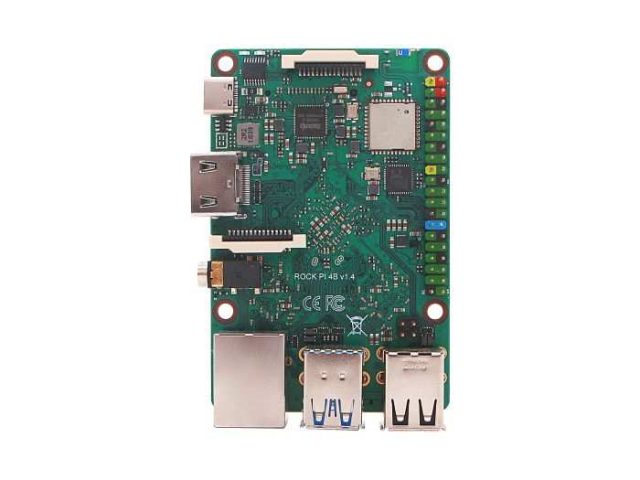
3.1 Compact Design and High Integration
Robot joints and control modules have limited installation space.
Challenges include:
- High component density
- Multiple functional circuits
- Limited PCB area
Solutions include:
- Multilayer PCB design
- HDI technology
- Optimized component placement
3.2 Motor Control and Power Circuit Design
Motor control circuits generate:
- High current
- Switching noise
- Heat
PCB design must address:
- Power trace width
- Copper thickness
- Grounding strategy
- Thermal paths
Improper design may cause:
- Voltage fluctuations
- Signal interference
- Component overheating
3.3 EMI/EMC Control
Robotic systems contain multiple noise sources:
- Motor switching circuits
- Power converters
- Communication interfaces
Effective EMC design requires:
- Proper grounding
- Signal isolation
- Filtering circuits
- Shielding structures
3.4 Thermal Management
Continuous robot operation generates heat.
Thermal design considerations include:
- Heat-generating component placement
- Copper area optimization
- Thermal vias
- Heat dissipation structures
Good thermal management improves:
- Component lifespan
- System stability
3.5 Mechanical Stress Resistance
Collaborative robots experience:
- Vibration
- Repeated movement
- Mechanical impact
PCB reliability requires:
- Strong solder joints
- Appropriate PCB thickness
- Reliable connectors
4. Custom PCBA Manufacturing Process for Collaborative Robots
4.1 Engineering Review and DFM Analysis
Before production, engineers review:
- PCB layout
- BOM
- Manufacturing feasibility
- Component availability
DFM analysis helps identify:
- Assembly risks
- Thermal issues
- Testability problems
4.2 PCB Fabrication
Depending on requirements, robot PCBAs may use:
- Multilayer PCBs
- High-Tg FR-4 materials
- HDI structures
- Heavy copper designs
Important controls include:
- Layer alignment
- Impedance control
- Copper thickness
4.3 Component Sourcing
Industrial robot PCBAs require reliable components.
Considerations include:
- Component lifecycle
- Supply stability
- Industrial-grade specifications
4.4 SMT Assembly
The SMT process includes:
- Solder paste printing
- Component placement
- Reflow soldering
- Inspection
Quality control includes:
- SPI inspection
- AOI inspection
- X-ray inspection
4.5 Testing and Validation
Testing may include:
Electrical Testing
- Continuity testing
- Insulation testing
Functional Testing
Verification of:
- Communication functions
- Motor control
- Sensor interfaces
Reliability Testing
Includes:
- Thermal cycling
- Vibration testing
- Long-duration operation testing
5. PCB Technologies Used in Collaborative Robot Systems

5.1 Multilayer PCB
Advantages:
- Higher routing density
- Better signal separation
- Improved power distribution
Applications:
- Main control boards
- Communication modules
5.2 HDI PCB
Advantages:
- Compact size
- Fine-pitch component support
Applications:
- Miniaturized robot controllers
- Sensor modules
5.3 High-Tg PCB
Advantages:
- Improved thermal reliability
- Better resistance to thermal stress
Applications:
- Industrial environments
5.4 Heavy Copper PCB
Advantages:
- Higher current capacity
- Better heat dissipation
Applications:
- Motor control circuits
- Power modules
6. Custom PCBA Solutions for Collaborative Robot Modules
Main Control Board
Functions:
- Central processing
- Communication management
- System coordination
Key requirements:
- High-speed processing
- Stable power supply
- Reliable communication
Motor Control Board
Functions:
- Motor driving
- Current regulation
- Feedback processing
Key requirements:
- High current capability
- Thermal management
- Noise control
Sensor Interface Board
Functions:
- Sensor signal acquisition
- Data conversion
Key requirements:
- Low noise design
- Signal integrity
- High precision
Power Management Board
Functions:
- Voltage conversion
- Power distribution
Key requirements:
- Thermal reliability
- Electrical protection
7. Benefits of Professional Custom PCBA Solutions
A specialized PCBA partner can provide:
Engineering Support
Including:
- PCB design review
- DFM optimization
- Material selection
Manufacturing Capability
Including:
- PCB fabrication
- SMT assembly
- Component sourcing
- Testing
Improved Product Reliability
Through:
- Process control
- Inspection systems
- Reliability verification
8. Future Trends in Robot PCBA Development
AI-Based Robot Control
Future PCBAs will support:
- More powerful processors
- Edge AI computing
- Advanced sensor processing
Higher Integration Density
Development toward:
- Smaller control modules
- Advanced packaging
- HDI technology
Increased Safety Requirements
Collaborative robots will require:
- Faster response systems
- More reliable safety circuits
- Improved monitoring functions
Smart Manufacturing Integration
Future PCB assembly will increasingly use:
- Automated inspection
- Manufacturing data analysis
- Intelligent process control
Conclusion
Custom PCBA solutions are a critical foundation for industrial collaborative robots, supporting essential functions such as:
- Motion control
- Sensor processing
- Communication
- Power management
- Safety monitoring
Developing reliable robot PCBAs requires comprehensive consideration of:
- Electrical performance
- Thermal management
- Mechanical reliability
- Manufacturing feasibility
- Testing requirements
Through advanced PCB technologies, professional DFM analysis, and strict assembly processes, custom PCBAs can help collaborative robots achieve higher precision, better reliability, and longer service life in demanding industrial environments.