
What Is a PCB Prototype Order?
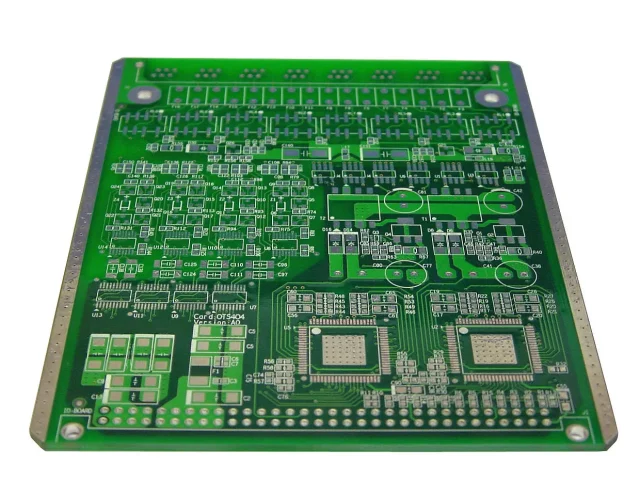
A PCB prototype order refers to the production of low-quantity printed circuit boards used for design verification, functional testing, and engineering validation before volume manufacturing. PCB prototype orders are a critical step in product development, R&D, and new product introduction (NPI).
Compared with mass production, PCB prototype manufacturing prioritizes fast turnaround, engineering flexibility, and design support, allowing issues to be identified early and design risks to be minimized.
Why Place a PCB Prototype Order?
Placing a PCB prototype order helps engineers and product teams to:
-
Verify circuit design and layout accuracy
-
Test electrical and functional performance
-
Evaluate signal integrity and thermal behavior
-
Detect manufacturability issues at an early stage
-
Reduce overall development cost and time-to-market
A successful PCB prototype order significantly improves the transition to mass production.
PCB Prototype Order Process
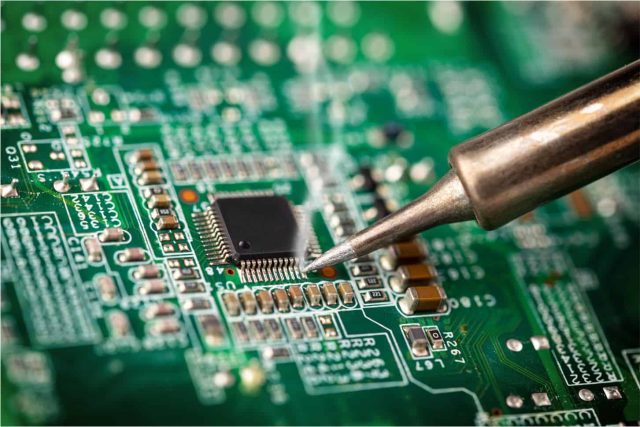
A standard PCB prototype order process typically includes:
-
PCB file submission
Gerber files, drill files, stack-up, impedance requirements, and special notes. -
Engineering review (DFM/DFA)
Manufacturability and assembly feasibility analysis. -
PCB prototype fabrication
Imaging, etching, drilling, lamination, and surface finishing. -
PCB assembly (optional)
SMT, THT, or mixed technology assembly for prototype testing. -
Inspection and testing
AOI, electrical testing, impedance testing if required. -
Packaging and delivery
Safe packaging and fast global shipment.
Clear communication during the PCB prototype order process ensures smooth execution.
Key Manufacturing Considerations for PCB Prototype Orders
To ensure reliable prototype results, PCB prototype orders require careful attention to:
-
Material selection
FR-4, high-Tg FR-4, low-loss materials, RF laminates, or ceramic substrates. -
Layer count and structure
Single-layer, multilayer, HDI, rigid-flex, or hybrid stack-ups. -
Trace width, spacing, and impedance control
-
Via types
Through-hole, blind, buried, microvias. -
Surface finish options
ENIG, OSP, immersion silver, HASL, hard gold.
Experienced PCB prototype suppliers provide engineering feedback to optimize designs.
Lead Time Options for PCB Prototype Orders
PCB prototype orders offer flexible production schedules:
-
Standard PCB prototype lead time
Suitable for normal development timelines. -
Quick-turn PCB prototype orders
Ideal for urgent R&D and tight project schedules. -
Small batch PCB production
Bridges the gap between prototype and mass production.
Selecting the right lead time balances cost, speed, and technical complexity.
Applications of PCB Prototype Orders
PCB prototype orders are widely used in:
-
New product development and R&D
-
Functional and logic test boards
-
RF, high-speed, and low-loss PCB evaluation
-
Automotive, medical, and industrial electronics
-
Semiconductor test and validation platforms
Almost every electronic product begins with a PCB prototype order.
PCB Prototype Order vs Mass Production
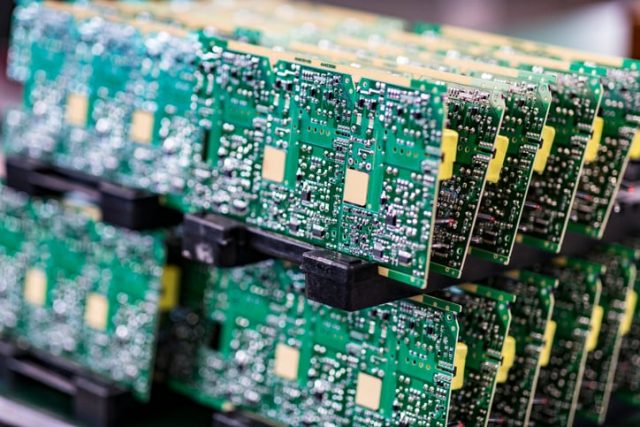
Compared with mass production, a PCB prototype order offers:
-
Lower quantities
-
Faster turnaround
-
Higher flexibility
-
More engineering interaction
Once the prototype is validated, designs can smoothly transition to volume production.
Conclusion
A PCB prototype order is a vital step in bringing electronic designs from concept to reality. With fast turnaround, flexible quantities, and strong engineering support, PCB prototype manufacturing enables rapid testing, optimization, and validation of designs.
Choosing a reliable PCB prototype order supplier ensures high-quality prototypes, reduced development risk, and a smoother path to mass production.
