
As electronic devices continue to demand higher power density, better thermal management, and increased reliability, multilayer metal core PCBs (MCPCBs) have become a critical solution in modern electronics. These advanced printed circuit boards combine the benefits of multilayer circuit design with the superior heat dissipation properties of metal substrates.
This guide explores the design principles, structure, materials, and manufacturing processes of multilayer metal core PCBs, helping engineers and buyers better understand their applications and advantages in industries such as LED lighting, automotive electronics, power supplies, and industrial control systems.
What is a Multilayer Metal Core PCB?
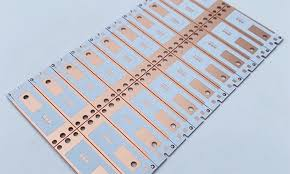
A multilayer metal core PCB is a type of printed circuit board that integrates multiple conductive layers with a metal base layer (typically aluminum or copper) to enhance thermal performance.
Unlike standard FR4 PCBs, MCPCBs are designed to:
- Efficiently dissipate heat from high-power components
- Improve mechanical stability
- Extend product lifespan in harsh environments
Structure of Multilayer MCPCBs
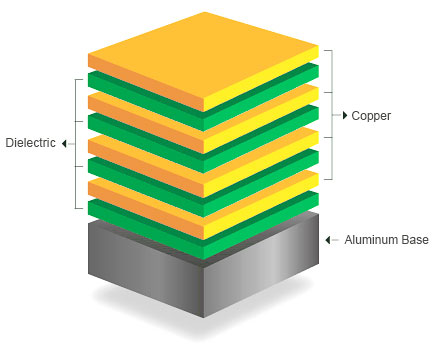
The structure of a multilayer metal core PCB is more complex than traditional PCBs. It typically includes:
1. Copper Circuit Layers
- Multiple conductive layers for signal routing
- Supports complex circuit designs
- Enables high-density interconnections (HDI)
2. Dielectric Layer (Thermal Insulation Layer)
- Electrically isolates copper circuits from the metal core
- Provides thermal conductivity for heat transfer
- Critical for balancing insulation and heat dissipation
3. Metal Core Layer
- Usually made of aluminum or copper
- Acts as a heat sink
- Enhances structural strength
4. Additional Layers
- Solder mask
- Surface finish (HASL, ENIG, OSP, etc.)
- Silkscreen
Key Materials Used in Multilayer MCPCBs
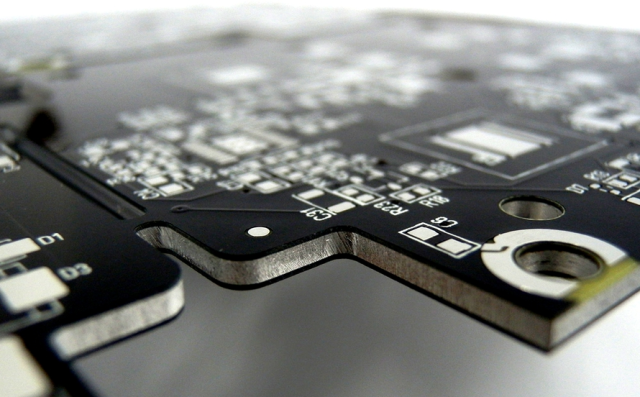
Material selection plays a vital role in determining the performance of MCPCBs.
1. Metal Substrate Materials
- Aluminum: Cost-effective, good thermal conductivity
- Copper: Superior thermal performance but higher cost
2. Dielectric Materials
- High thermal conductivity prepregs
- Ceramic-filled polymers
- Low thermal resistance materials
3. Copper Foil
- Standard or heavy copper (1 oz to 6 oz or more)
- Used for high current applications
Design Considerations for Multilayer MCPCBs
Designing multilayer MCPCBs requires careful planning to ensure both electrical and thermal performance.
Thermal Management
- Optimize heat flow paths
- Use thermal vias
- Minimize thermal resistance
Layer Stack-Up Design
- Proper layer arrangement to reduce EMI
- Balance between signal and power layers
- Ensure mechanical stability
Electrical Performance
- Controlled impedance for high-speed signals
- Minimize signal loss and interference
Mechanical Constraints
- Consider board thickness and weight
- Ensure compatibility with assembly processes
Manufacturing Process of Multilayer MCPCBs
The manufacturing of multilayer MCPCBs is more complex than standard PCB fabrication due to the integration of metal cores.
1. Inner Layer Fabrication
- Circuit patterning and etching
- Inspection and quality control
2. Lamination Process
- Bonding multiple layers with dielectric materials
- High-pressure and high-temperature lamination
3. Drilling and Plating
- Mechanical or laser drilling
- Through-hole plating for interconnections
4. Metal Core Integration
- Bonding the multilayer structure to the metal base
- Ensuring thermal and mechanical stability
5. Surface Finishing
- HASL, ENIG, or other finishes
- Improves solderability and corrosion resistance
6. Final Testing
- Electrical testing
- Thermal performance validation
- Reliability testing
Advantages of Multilayer Metal Core PCBs
- Excellent Heat Dissipation – Ideal for high-power applications
- High Reliability – Suitable for harsh environments
- Compact Design – Supports high-density circuits
- Improved Performance – Reduces thermal-related failures
Applications of Multilayer MCPCBs
Multilayer metal core PCBs are widely used in:
- LED lighting systems
- Automotive electronics (EV power modules, headlights)
- Power supplies and converters
- Industrial control systems
- Telecommunications equipment
Conclusion
Multilayer metal core PCBs represent a powerful solution for modern electronics that require both high electrical performance and efficient thermal management. By understanding their structure, materials, design considerations, and manufacturing processes, engineers can make informed decisions to optimize product reliability and performance.
As industries continue to evolve toward higher power density and compact designs, the demand for advanced MCPCB solutions will only continue to grow.
