
Why Manual PCB Soldering Quality Matters
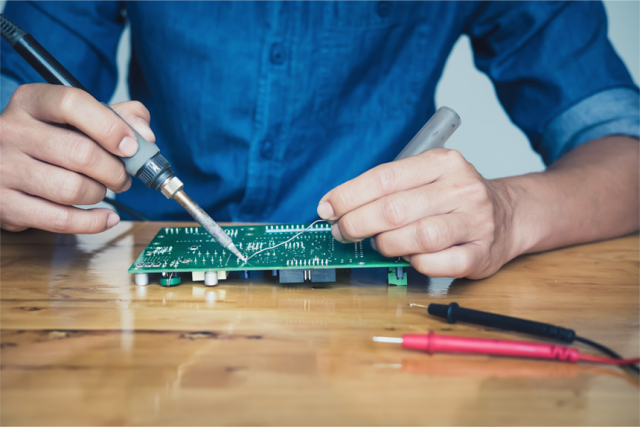
Although automated SMT PCB assembly is widely used in modern electronics manufacturing, manual PCB soldering remains essential for:
- Prototype PCB assembly
- Through-hole PCB assembly (THT)
- PCB rework and repair
- Low-volume electronics manufacturing
- Industrial and aerospace electronics maintenance
However, improper manual soldering techniques can easily create PCB soldering defects, affecting:
- Electrical reliability
- Signal integrity
- Mechanical strength
- Product lifespan
Understanding the most common manual PCB soldering defects is critical for improving PCB assembly quality and solder joint reliability.
1. Cold Solder Joint
Description
A cold solder joint occurs when the solder does not fully melt or bond correctly with the PCB pad and component lead.
Common Causes
- Insufficient soldering temperature
- Poor heat transfer
- Moving components during cooling
- Oxidized pads or leads
Effects
- Weak electrical connection
- Intermittent circuit failure
- High resistance contact
Solutions
- Use proper soldering iron temperature
- Ensure sufficient heating time
- Clean PCB pads and component leads
Cold solder joints are among the most common manual PCB soldering defects.
2. Solder Bridge
Description
A solder bridge occurs when excess solder unintentionally connects adjacent pads or component leads.
Common Causes
- Excessive solder application
- Fine-pitch component spacing
- Poor soldering technique
- Incorrect solder tip size
Effects
- Electrical short circuits
- PCB malfunction
- Component damage
Solutions
- Use appropriate solder amount
- Apply solder wick for removal
- Improve soldering precision
Solder bridging is a critical defect in fine-pitch PCB soldering.
3. Insufficient Solder
Description
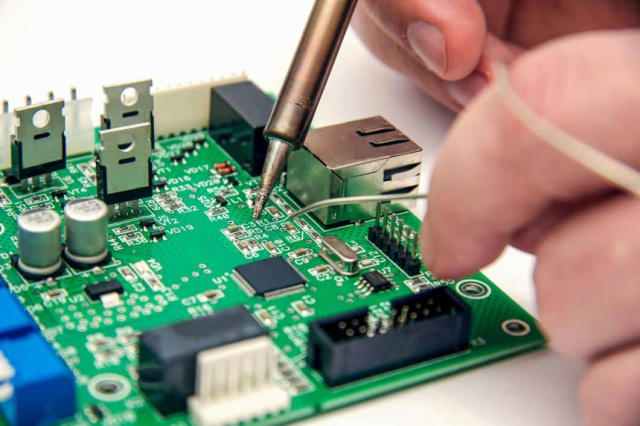
Insufficient solder results in incomplete solder coverage between the pad and lead.
Common Causes
- Not enough solder wire
- Poor wetting performance
- Inadequate heating
Effects
- Weak mechanical connection
- Unstable electrical conductivity
- Increased failure risk
Solutions
4. Excess Solder
Description
Excess solder creates oversized solder joints or unwanted solder accumulation.
Common Causes
- Overfeeding solder wire
- Long soldering duration
- Incorrect soldering angle
Effects
- Increased solder bridge risk
- Poor visual quality
- Potential hidden defects
Solutions
- Control solder amount carefully
- Use suitable soldering iron tip
- Improve operator training
5. Non-Wetting and Poor Wetting
Description
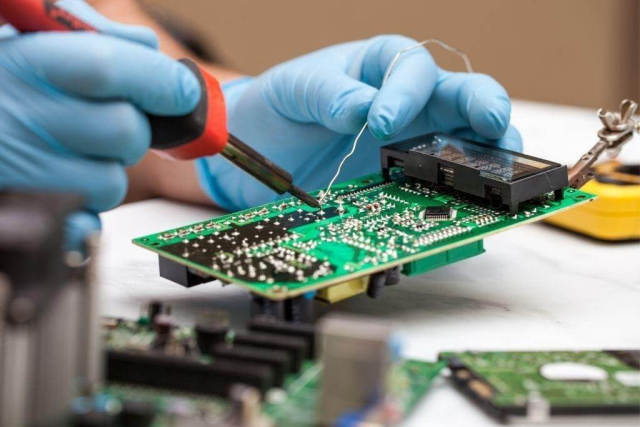
The solder fails to spread properly across the PCB pad or component lead.
Common Causes
- Oxidized surfaces
- Contaminated PCB pads
- Insufficient flux activity
- Low soldering temperature
Effects
- Weak solder joints
- High electrical resistance
- Reduced PCB reliability
Solutions
- Clean soldering surfaces
- Use proper flux
- Maintain correct soldering temperature
6. Solder Ball Formation
Description
Small solder balls remain around the solder joint after soldering.
Common Causes
- Excess flux residue
- Overheating solder
- Rapid cooling process
Effects
- Short circuit risk
- Poor PCB cleanliness
- Reduced product reliability
Solutions
- Use appropriate flux quantity
- Optimize soldering temperature
- Clean PCB after soldering
7. Lifted PCB Pads
Description
PCB copper pads detach from the PCB surface during soldering.
Common Causes
- Excessive soldering heat
- Prolonged soldering time
- Mechanical stress during rework
Effects
- PCB damage
- Difficult repair process
- Circuit disconnection
Solutions
- Avoid overheating PCB pads
- Minimize rework cycles
- Use temperature-controlled soldering stations
8. Component Lead Damage
Description
Excessive heat damages component leads or internal structures.
Common Causes
- High soldering temperature
- Long contact time
- Improper soldering tools
Effects
- Component failure
- Reduced lifespan
- Unstable electrical performance
Solutions
- Use proper soldering profiles
- Reduce heat exposure time
- Apply heat sinks if necessary
9. Flux Residue Contamination
Description
Flux residues remain on the PCB after soldering.
Common Causes
- Excessive flux usage
- Inadequate cleaning process
Effects
- Corrosion risk
- Leakage current
- Reduced insulation resistance
Solutions
- Use no-clean flux when appropriate
- Clean PCB thoroughly after soldering
10. Overheated Solder Joint
Description
Excessive heat damages the solder joint and surrounding PCB material.
Common Causes
- Excessive soldering temperature
- Long soldering duration
Effects
- Burned PCB surface
- Oxidized solder joints
- Reduced mechanical strength
Solutions
- Use controlled soldering temperature
- Improve soldering speed and efficiency
Best Practices for High-Quality Manual PCB Soldering
1. Use Temperature-Controlled Soldering Equipment
Ensures stable and safe soldering conditions.
2. Select High-Quality Solder and Flux
Improves wetting performance and solder joint quality.
3. Maintain Proper Soldering Technique
- Correct tip angle
- Proper heating sequence
- Controlled solder amount
4. Keep PCB and Components Clean
Prevents oxidation and contamination.
5. Perform Visual Inspection
Check for:
- Solder bridges
- Cold joints
- Excess solder
- Pad damage
Applications Requiring High-Quality Manual Soldering
- Aerospace PCB assembly
- Medical electronics manufacturing
- Industrial control PCB repair
- Automotive electronics maintenance
- Prototype PCB development
Conclusion
The most common manual PCB soldering defects include:
- Cold solder joints
- Solder bridges
- Insufficient solder
- Non-wetting defects
- Pad lifting and overheating
Understanding these defects and applying proper manual PCB soldering techniques significantly improves:
- PCB assembly quality
- Electrical reliability
- Mechanical strength
- Long-term product performance
High-quality manual soldering process control remains essential in modern PCB manufacturing, rework, and electronics repair industries.
