The Role of PLC Programmer PCBA in Industrial Automation
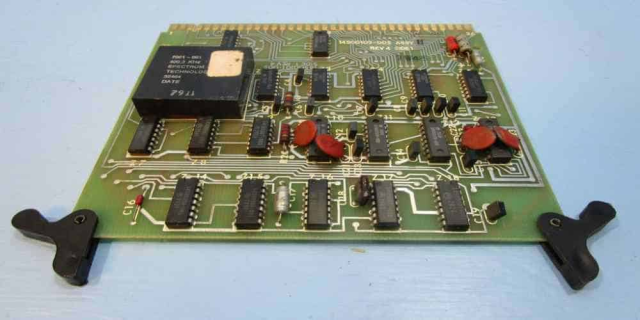
A PLC Programmer PCBA (Programmable Logic Controller Programmer Printed Circuit Board Assembly) is a critical hardware platform used for industrial automation programming, debugging, monitoring, and control system configuration. It acts as the bridge between engineers and PLC systems, enabling reliable communication, firmware loading, and real-time diagnostics.
In modern industrial control environments, a robust PLC programmer PCBA solution is essential for ensuring system stability, fast programming speed, and long-term reliability.
What is a PLC Programmer PCBA?
A PLC programmer PCBA is a specialized industrial-grade electronic assembly designed to:
- Program and configure PLC controllers
- Transfer firmware and logic code
- Monitor PLC system status in real time
- Provide debugging and communication interfaces
It typically integrates MCU/processor, communication interfaces, power management circuits, and industrial-grade protection design.
Core Requirements for Industrial PLC Programmer PCBA
1. High Reliability Design
- Continuous operation in harsh industrial environments
- Resistance to EMI, electrical noise, and voltage fluctuations
- Long lifecycle performance
2. Industrial Communication Interfaces
- RS232 / RS485 / CAN / Ethernet
- USB-to-serial conversion modules
- High-speed and stable data transmission
3. Strong Signal Integrity
- Controlled impedance routing for high-speed signals
- Proper grounding and shielding design
- Noise reduction for stable PLC communication
4. Power Stability
- Wide input voltage support (industrial standards)
- Over-voltage and reverse polarity protection
- Efficient power regulation circuits
PCB Design Considerations for PLC Programmer PCBA
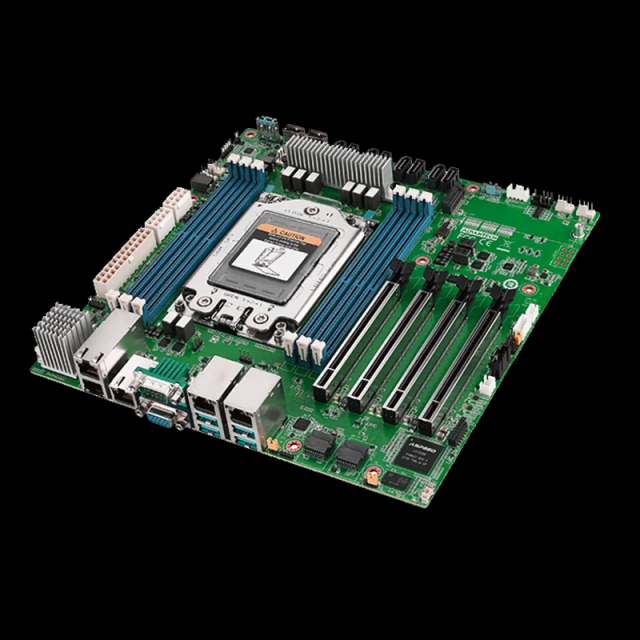
1. Multilayer PCB Architecture
- Typically 4–8 layer PCB design
- Separate digital, analog, and power ground planes
- Improved signal isolation and EMI control
2. EMI/EMC Protection Design
- Use of filter capacitors and ferrite beads
- Shielding for communication interfaces
- Proper PCB grounding strategy
3. Thermal Management
- Optimize copper area for heat dissipation
- Placement of heat-generating components
- Use of thermal vias if needed
4. Industrial Component Selection
- Wide temperature range components (-40°C to +85°C or higher)
- Long lifecycle availability components
- Industrial-grade connectors and ICs
PCBA Manufacturing Process for PLC Programmer Boards
1. SMT Assembly
- High-precision SMT placement for ICs and passives
- Controlled reflow soldering process
2. Through-Hole Assembly (THT)
- Used for connectors and power interfaces
- Ensures strong mechanical durability
3. Conformal Coating
- Protection against dust, humidity, and chemical corrosion
- Enhances long-term reliability
4. Functional Testing (FCT)
- Verification of programming interface functionality
- Communication protocol testing
- Real-world PLC connectivity validation
Key Features of a High-Performance PLC Programmer PCBA Solution
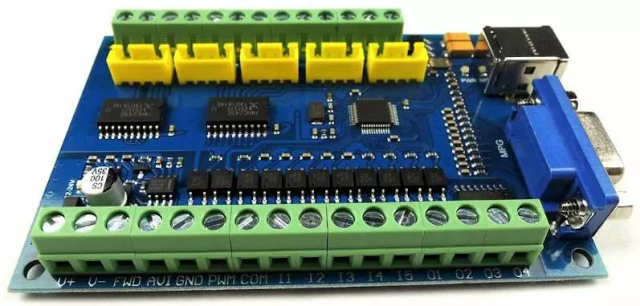
- Stable multi-protocol industrial communication support
- High-speed PLC programming and debugging capability
- Strong anti-interference and EMI resistance
- Industrial-grade long-term operational reliability
- Modular and scalable hardware architecture
Applications of PLC Programmer PCBA
- Industrial automation systems
- Factory production line control
- Smart manufacturing (Industry 4.0)
- Energy management systems
- Robotics and motion control systems
Challenges in PLC Programmer PCBA Design
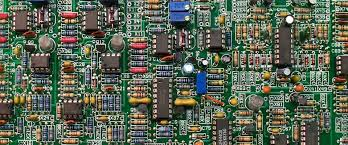
- High EMI interference in industrial environments
- Complex multi-protocol communication support
- Requirement for continuous long-term operation
- Ensuring compatibility with multiple PLC brands
Solutions and Engineering Optimization
- Advanced EMI shielding and grounding design
- Optimized multilayer PCB stack-up
- Use of industrial-grade communication ICs
- Rigorous reliability testing and validation
Conclusion
A well-designed PLC Programmer PCBA solution is essential for reliable industrial PLC programming, debugging, and system maintenance. Through optimized PCB design, robust communication architecture, and industrial-grade manufacturing processes, it ensures stable performance in demanding industrial environments.
This makes it a key enabling technology for modern industrial automation and smart manufacturing systems.